


Introduction
Few independent watchmakers have contributed as significantly to the modern revival of traditional complications as Svend Andersen. Born in Denmark and established in Geneva, Andersen developed his reputation through an extraordinary command of mechanical watchmaking, including his work at Patek Philippe and his subsequent career as an independent watchmaker. In 1980, he established his own workshop, Andersen Genève, where he began producing highly individual timepieces that combined traditional Swiss craftsmanship with unusual complications and decorative techniques. Among his most celebrated creations are his world time watches, which draw upon the pioneering work of Louis Cottier, the Geneva watchmaker whose ingenious mechanism allowed the time in multiple cities to be displayed simultaneously. Andersen's interpretations of this complication have become an important part of independent watchmaking history, combining mechanical ingenuity with a distinctive appreciation for artistic dial making.
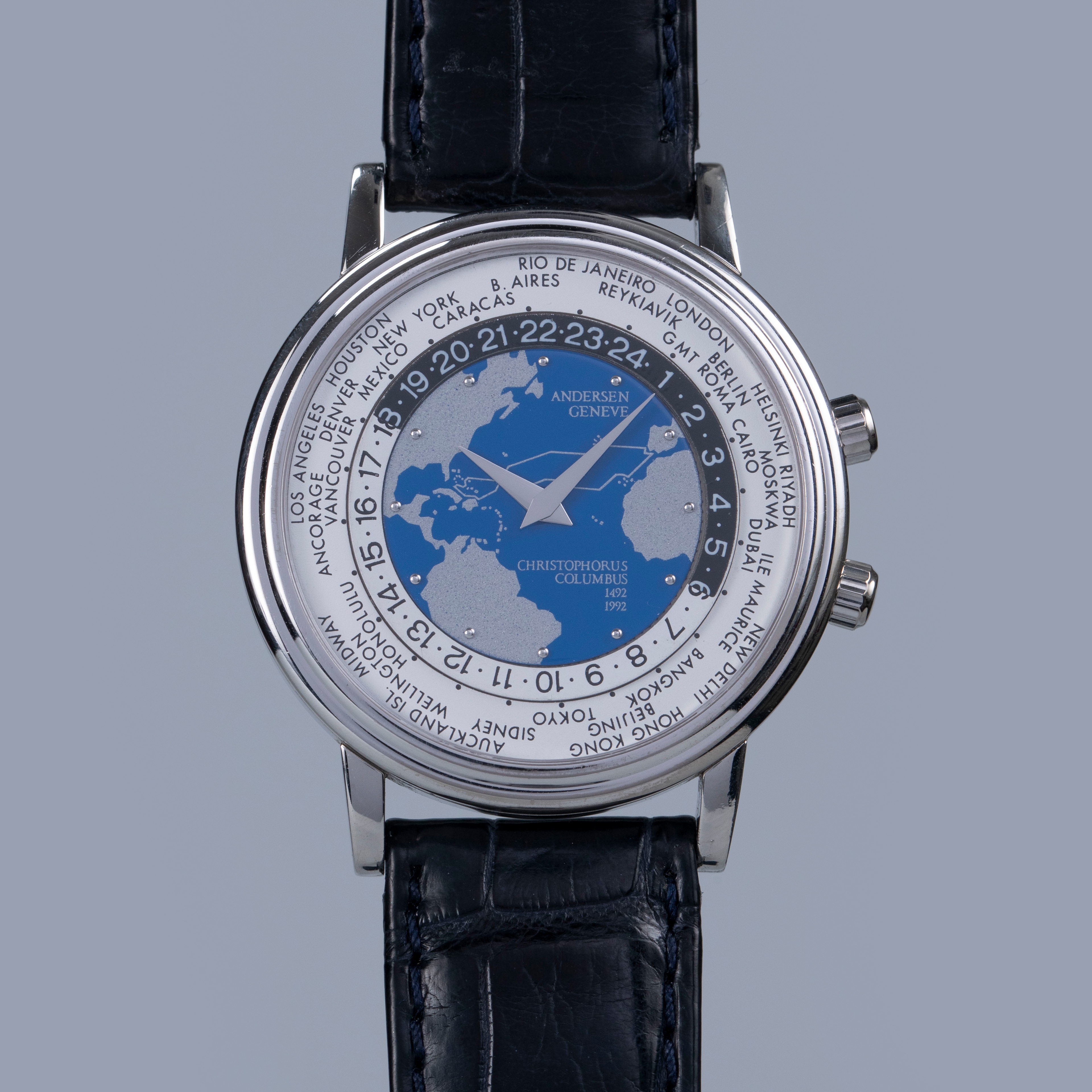
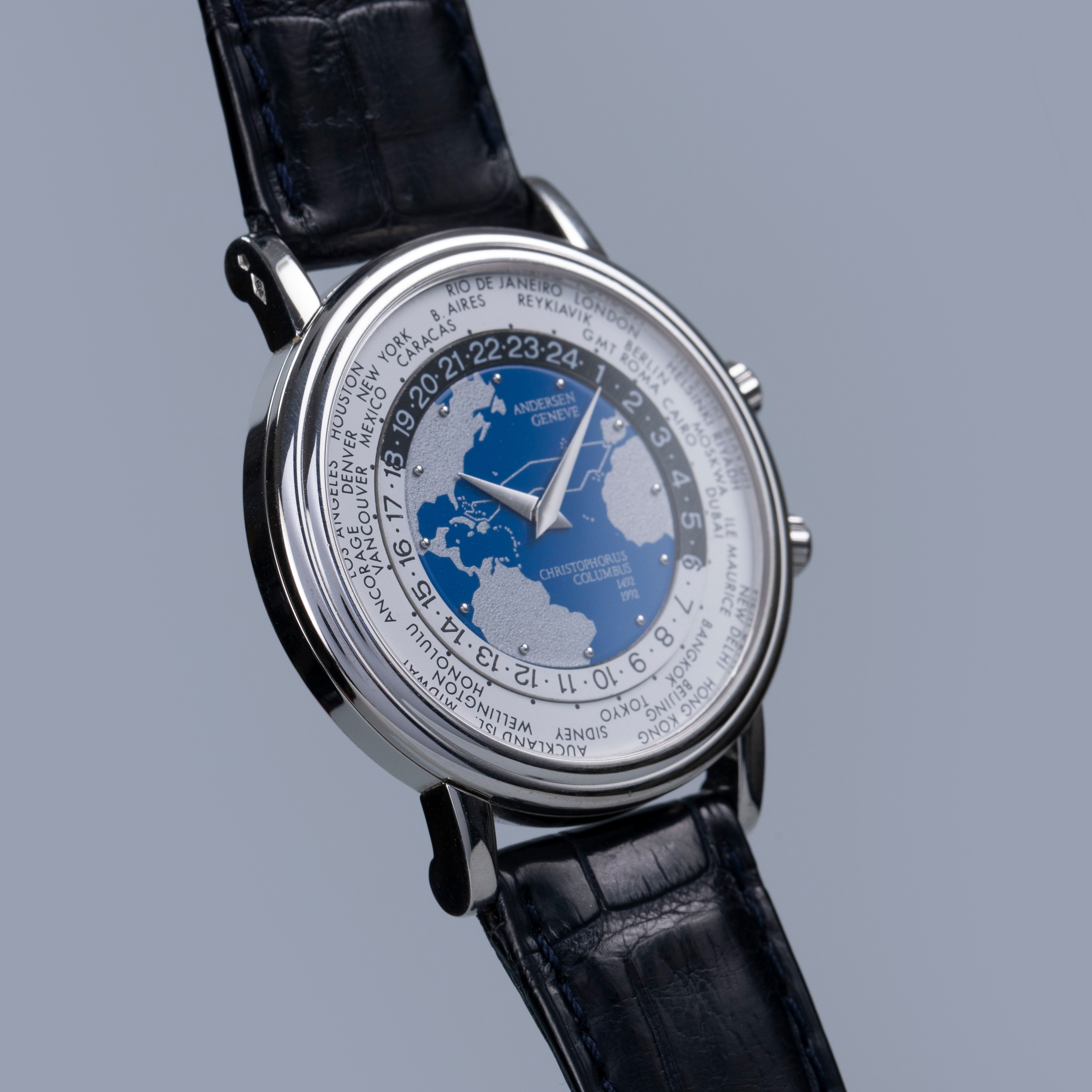
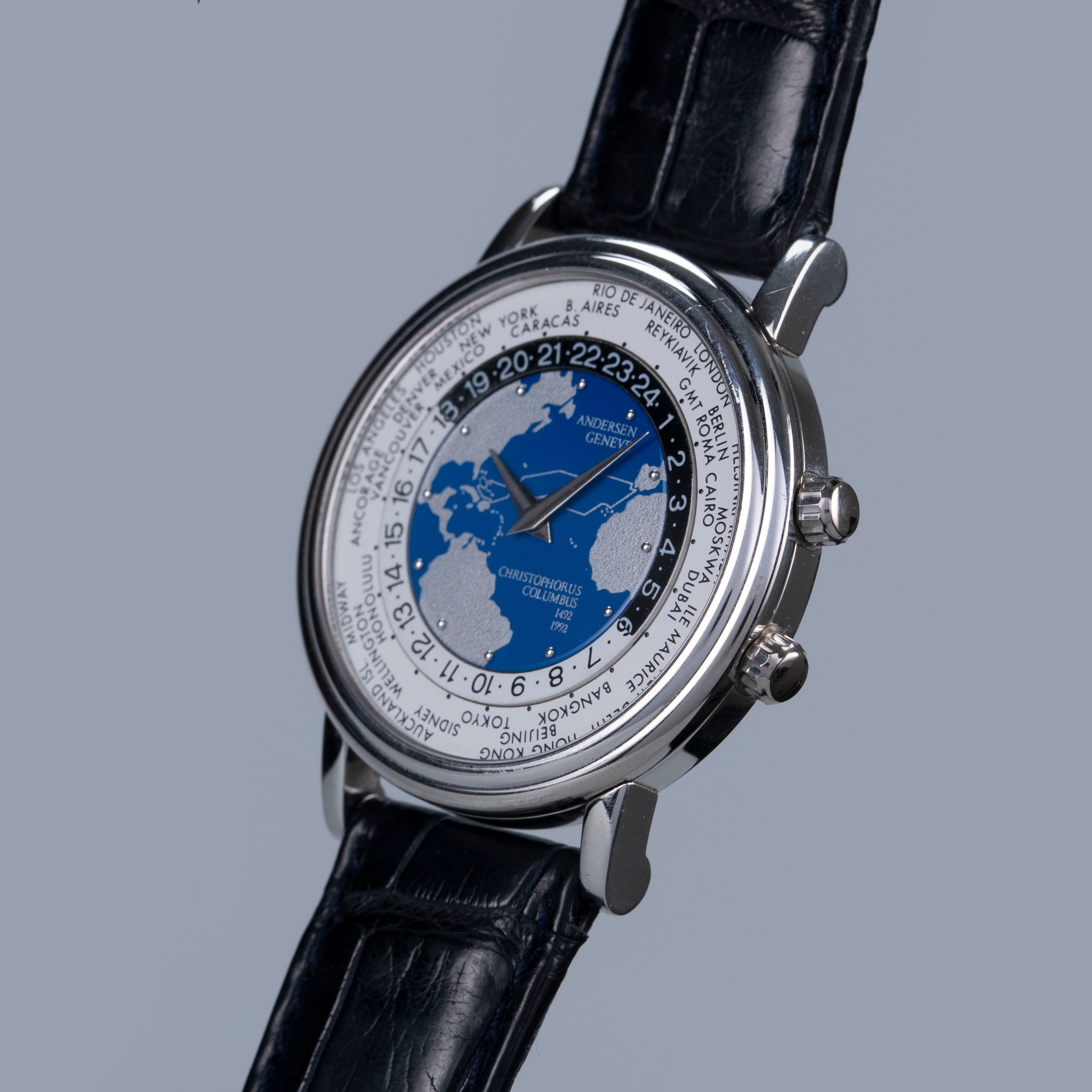
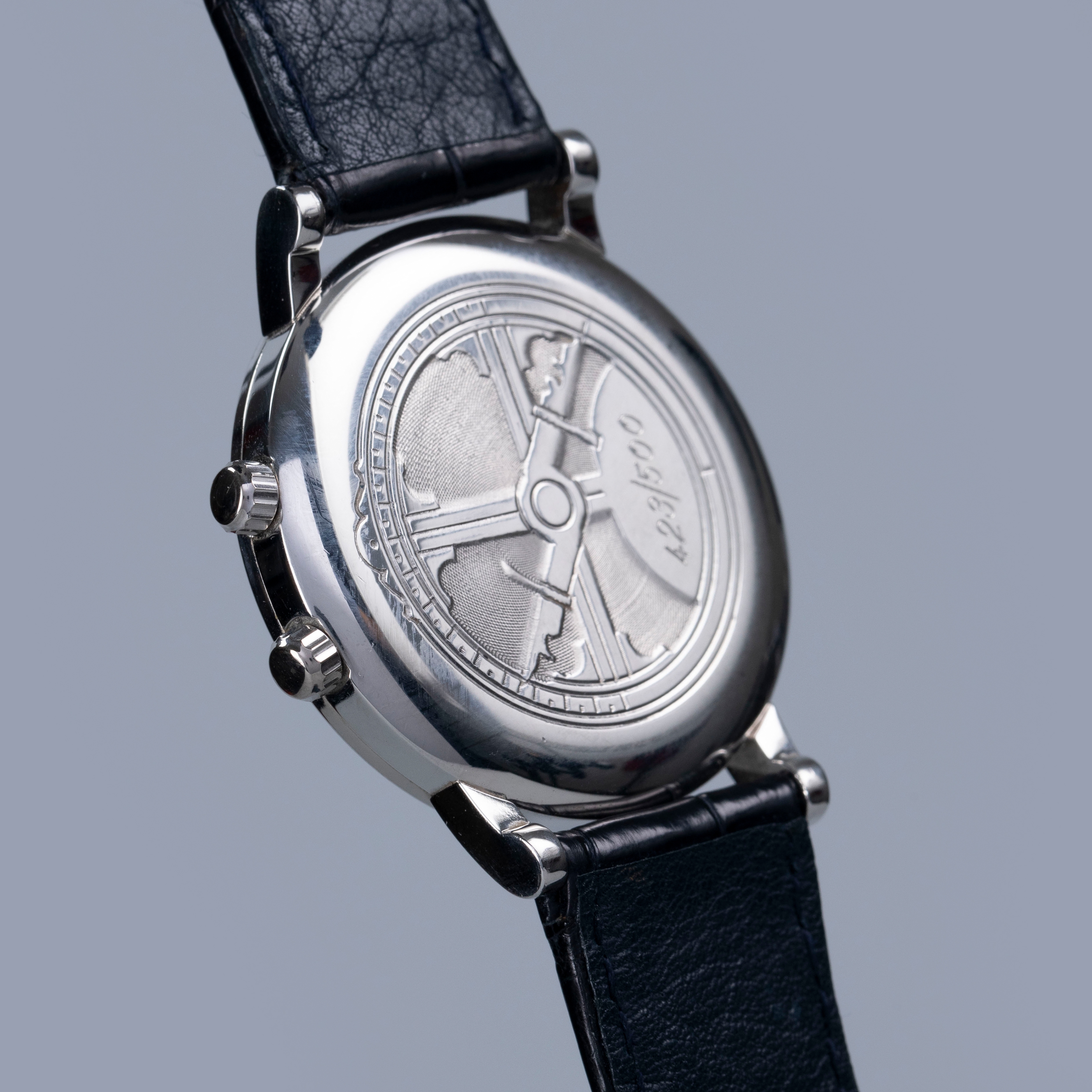
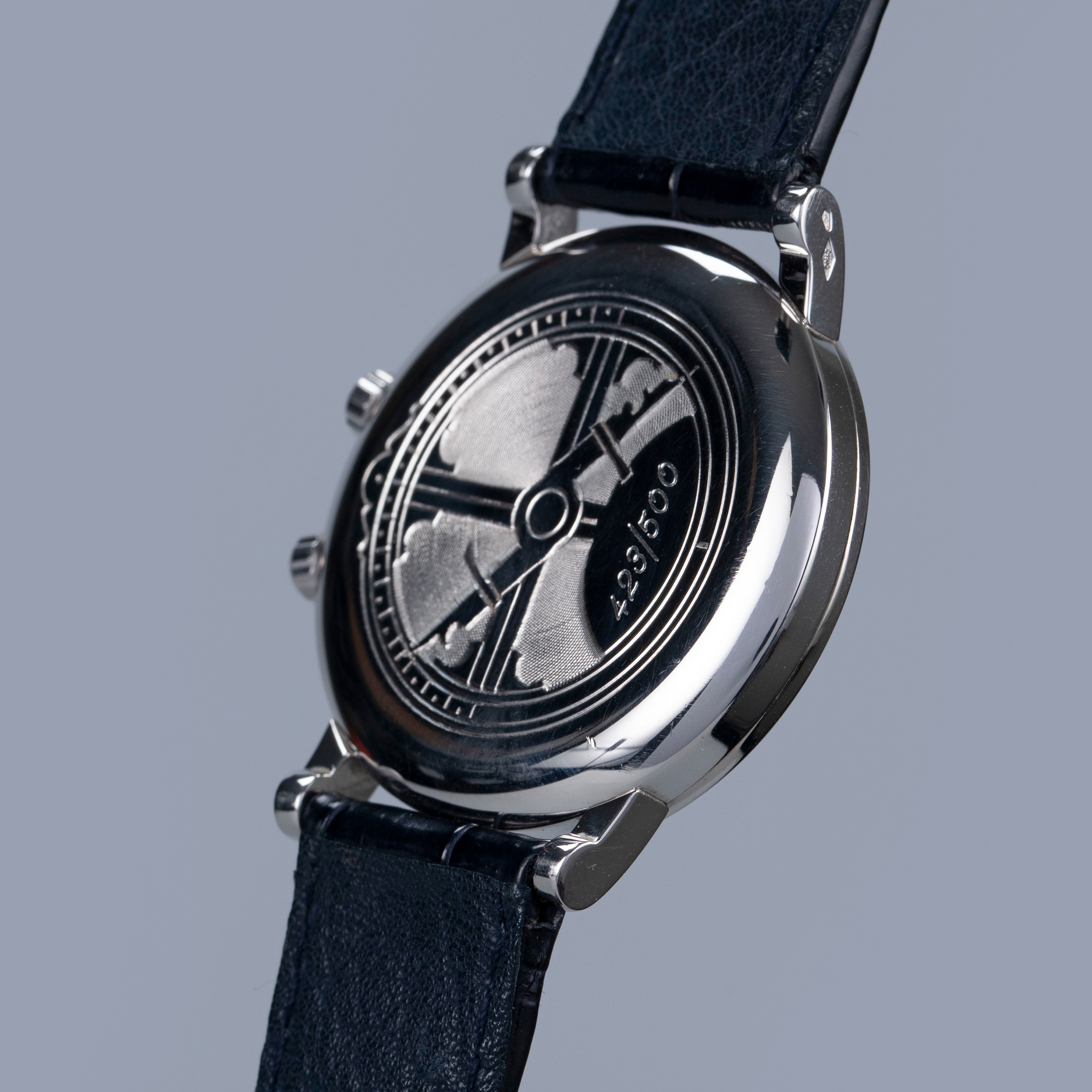
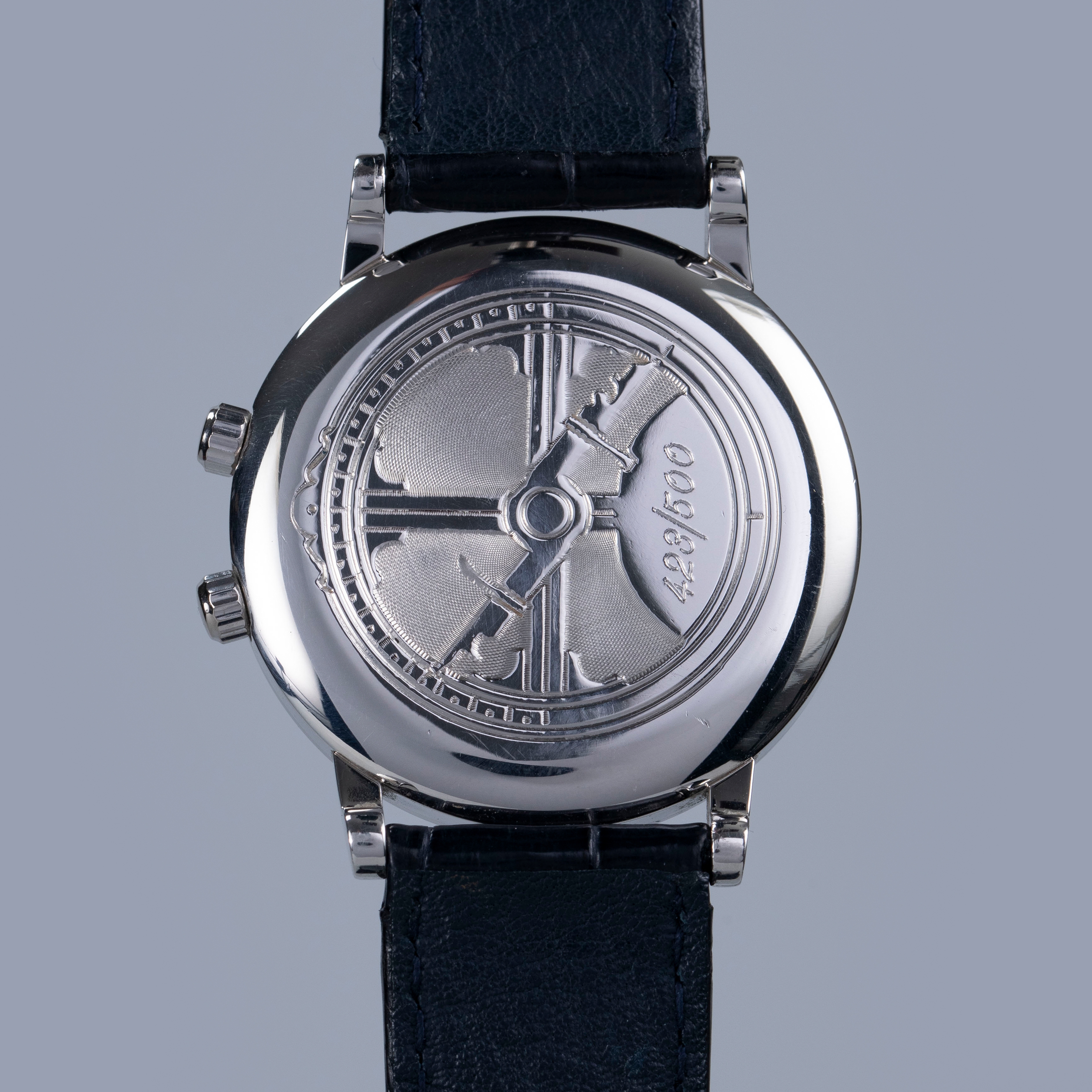
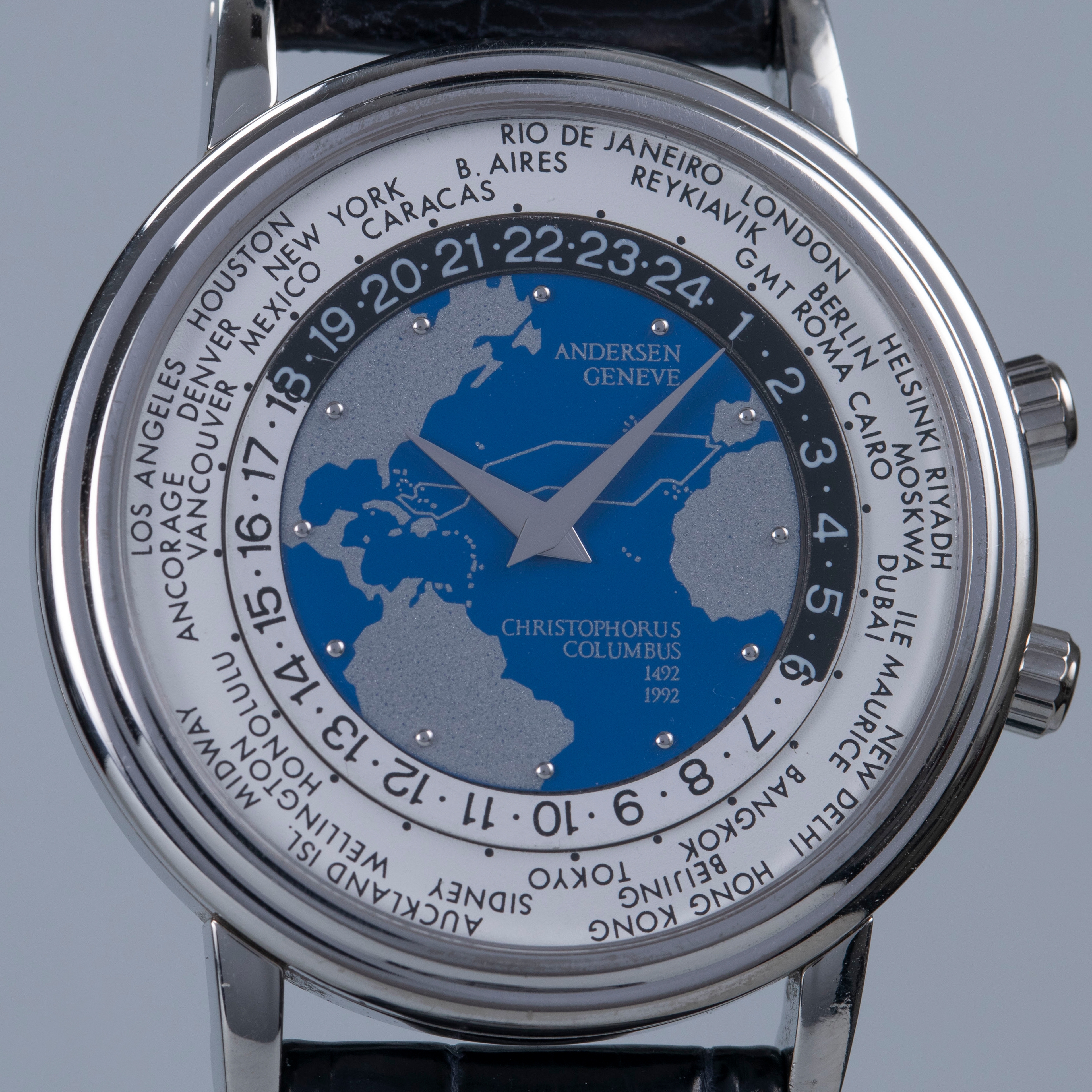
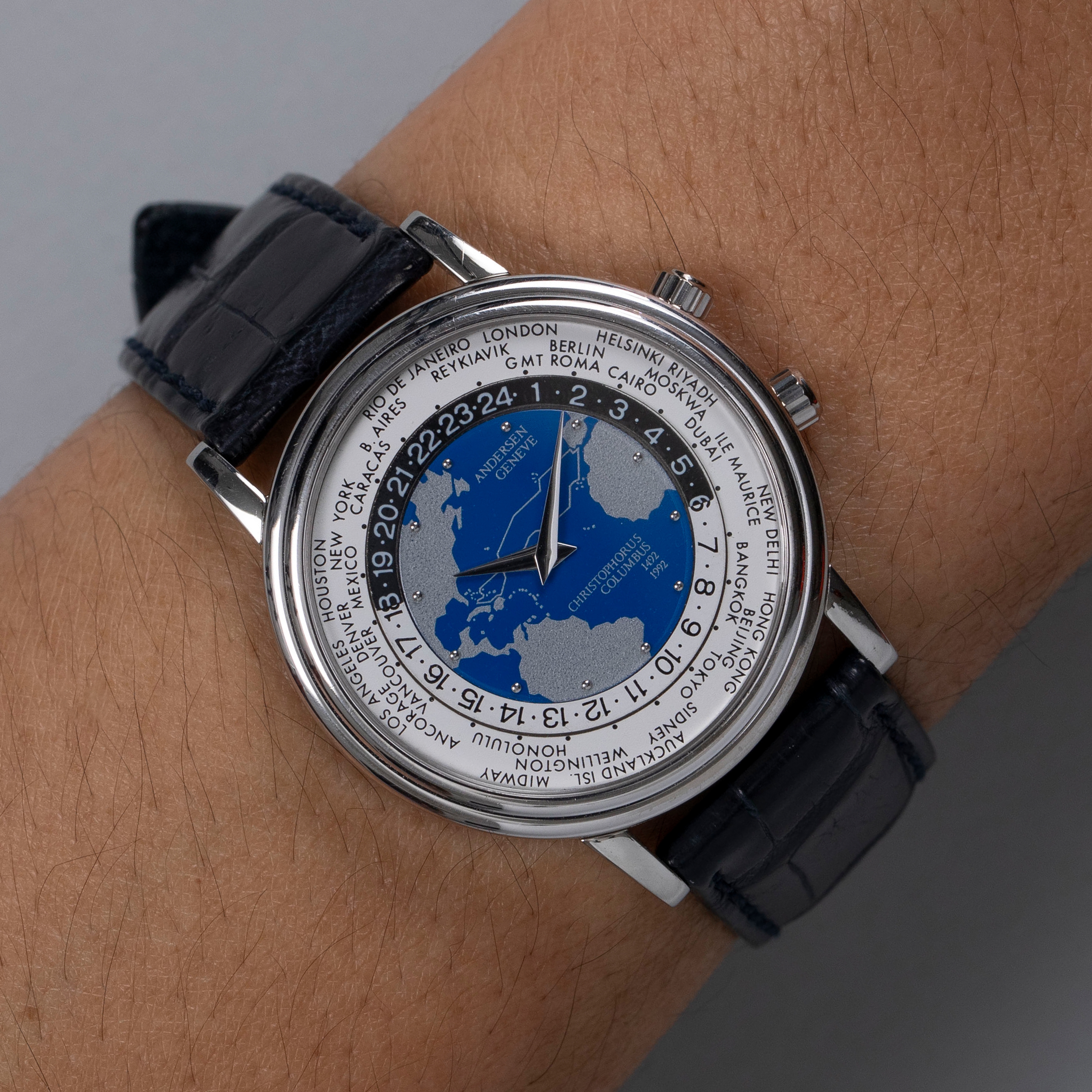
Created in 1992 to commemorate the 500th anniversary of Christopher Columbus's first voyage across the Atlantic, this Andersen Genève World Time is a particularly interesting example of the watchmaker's early work. Produced as a limited edition of 500 pieces, it features a 35mm platinum case and an elaborate enamel dial depicting Columbus's historic voyage of 1492. The central illustration is surrounded by a world time display, with a rotating city ring that can be adjusted using the additional crown at four o'clock. This arrangement combines a traditional world time complication with a decorative theme celebrating one of the most consequential voyages in maritime history. Inside is the automatic calibre Piguet 951, a 25-jewel movement providing the mechanical foundation for Andersen's world time mechanism. Numbered 423 of 500, this example brings together the craftsmanship, mechanical sophistication and individual character that have established Andersen Genève as one of the most respected names in independent watchmaking.
Loupe This Scorecard
Grade
M 8.5
Status
Vetted & Approved
Included
Watch Only
Est. value range
$25,000 – $35,000
The Details
Brand
Andersen Geneve
Dimensions
35mm
Model
World Time
Movement
Automatic Piguet Calibre 951, 25 Jewels
Reference
Christopher Columbus 500th Anniversary
Bracelet
Leather strap
Year
1992
Condition
Excellent
Material
Platinum
Included
Watch only
Dial Color
Multicoloured Enamel
THE DIAL
The enamel dial features a decorative illustration commemorating Christopher Columbus's voyage of 1492, surrounded by a world time display incorporating a rotating city ring. The composition combines traditional enamel craftsmanship with the practical arrangement of a world time complication, creating a distinctive contrast between the historical maritime imagery and the technical information displayed around its perimeter.
THE CONSTRUCTION
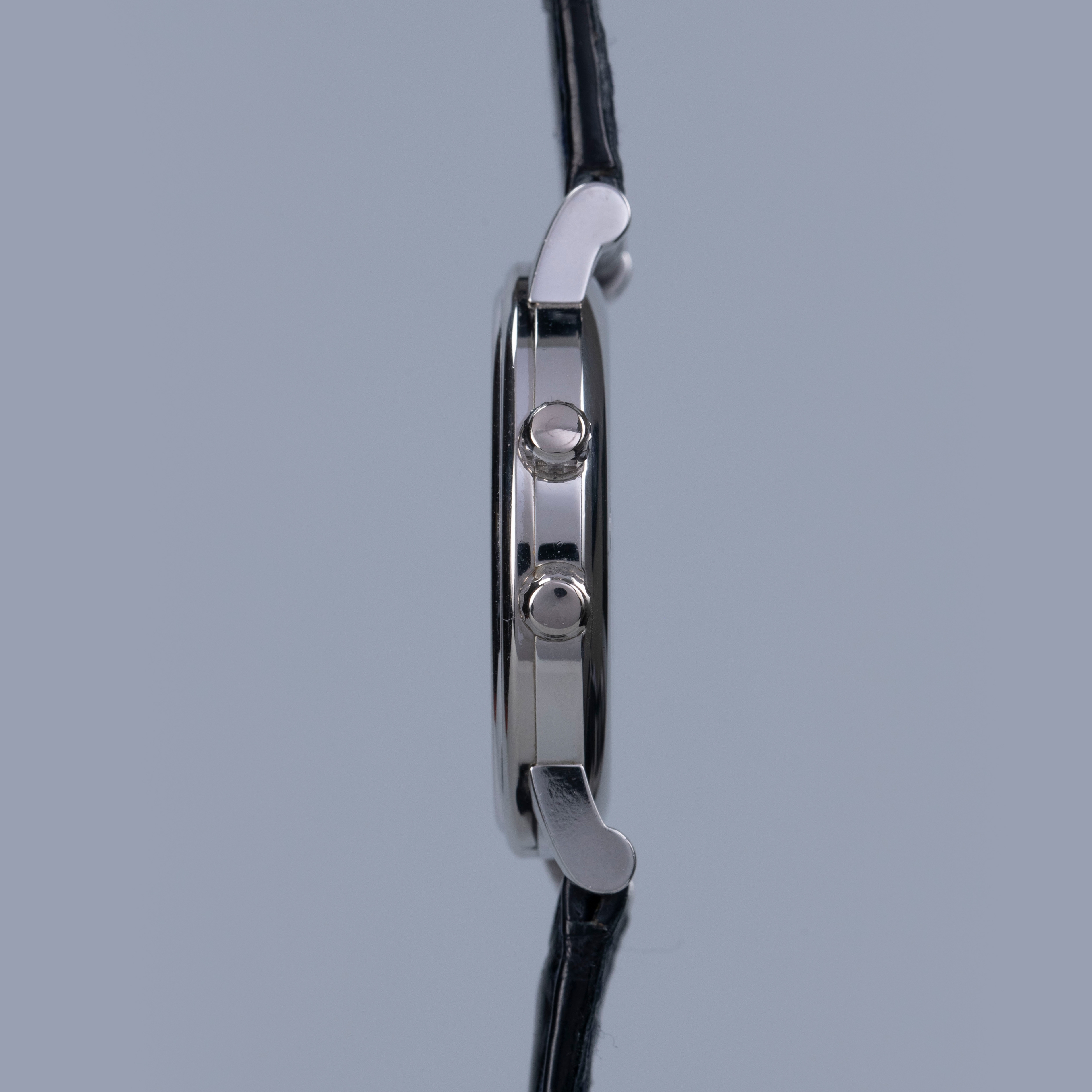
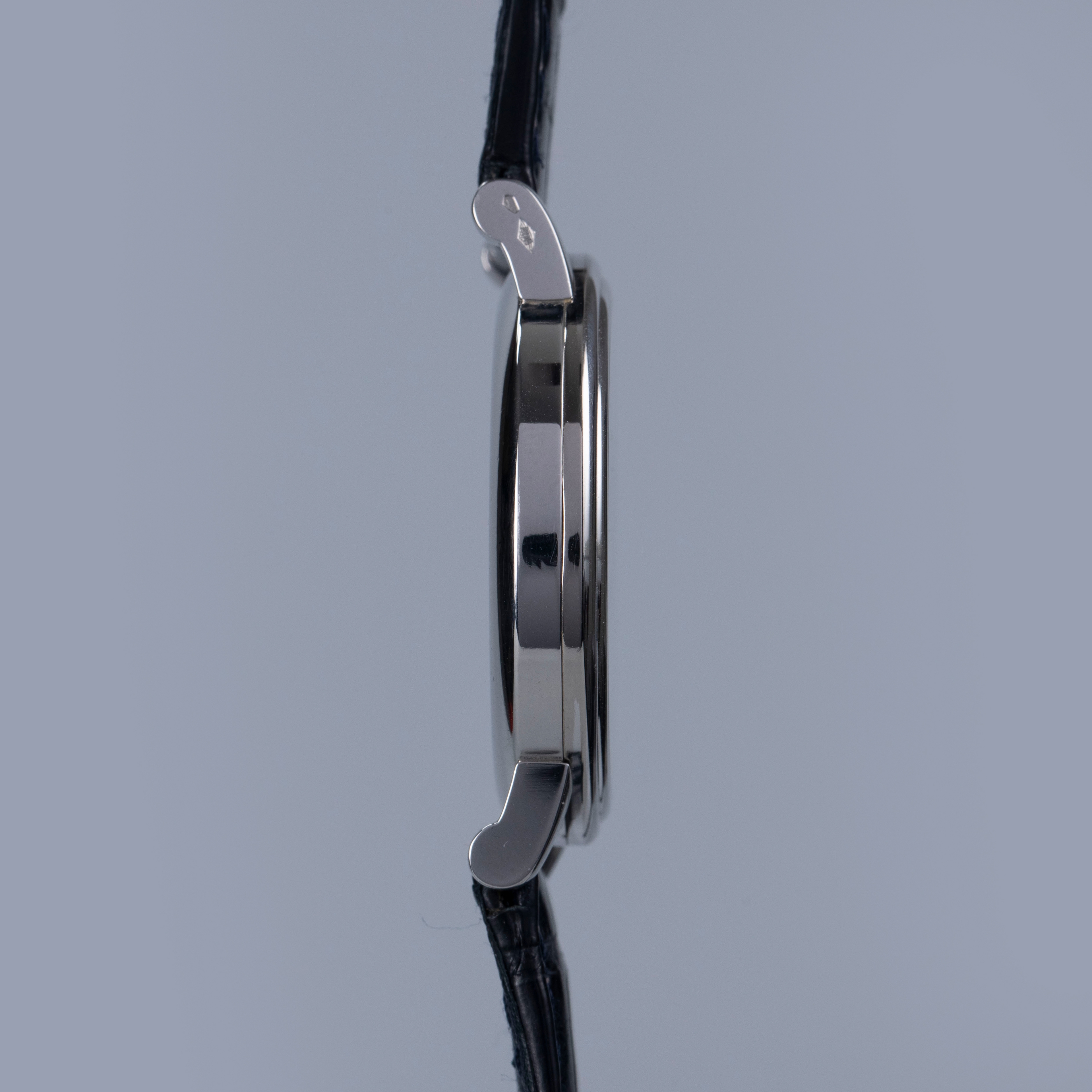
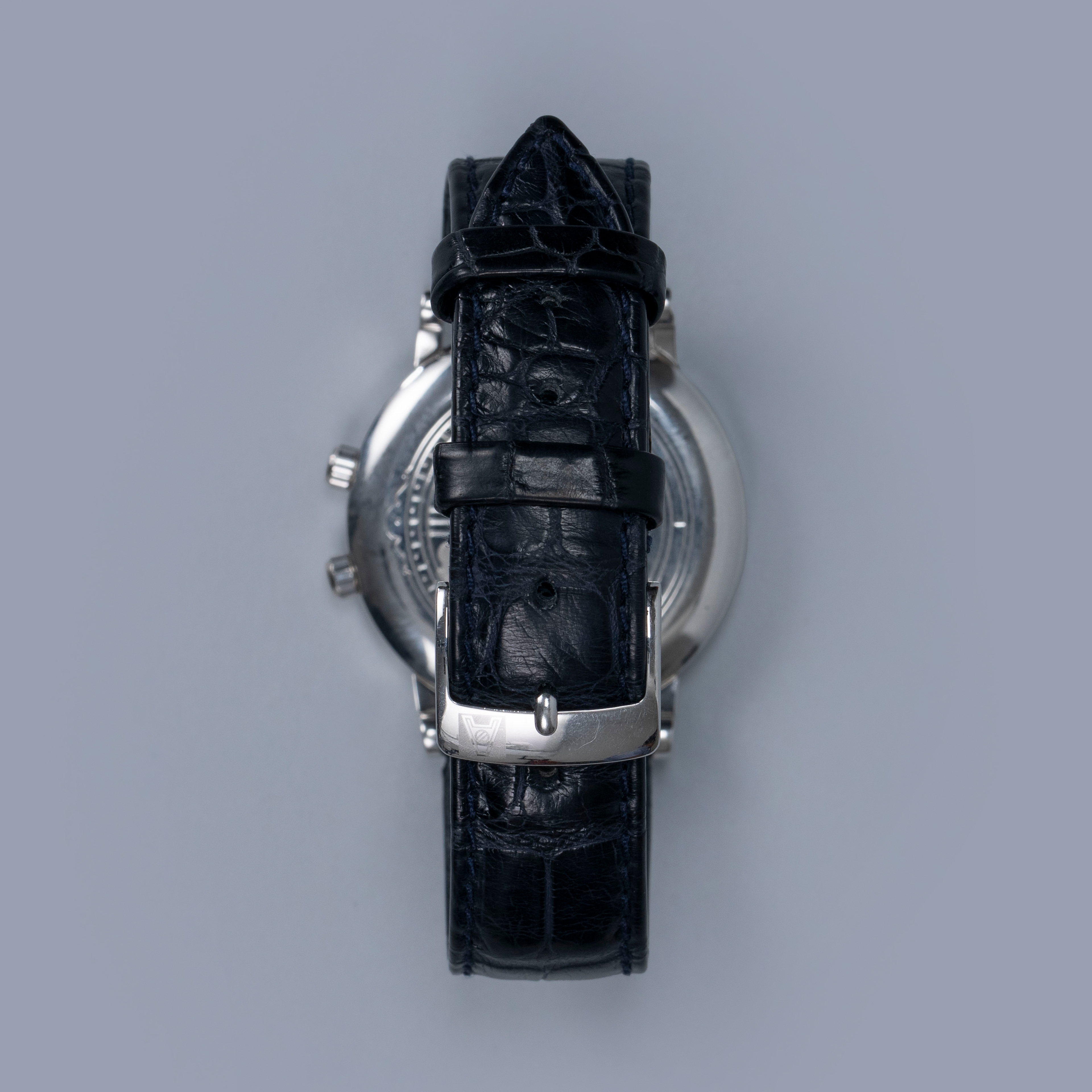
The 35mm case is crafted from platinum, providing a restrained and substantial setting for the elaborate enamel dial. Its traditional round profile is complemented by a snap-on case back and an additional crown positioned at four o'clock, which operates the world time city ring. The case, dial and movement are signed Andersen Genève, while the limited-edition designation identifies the watch as number 423 of 500.
TIMING MACHINE READOUT
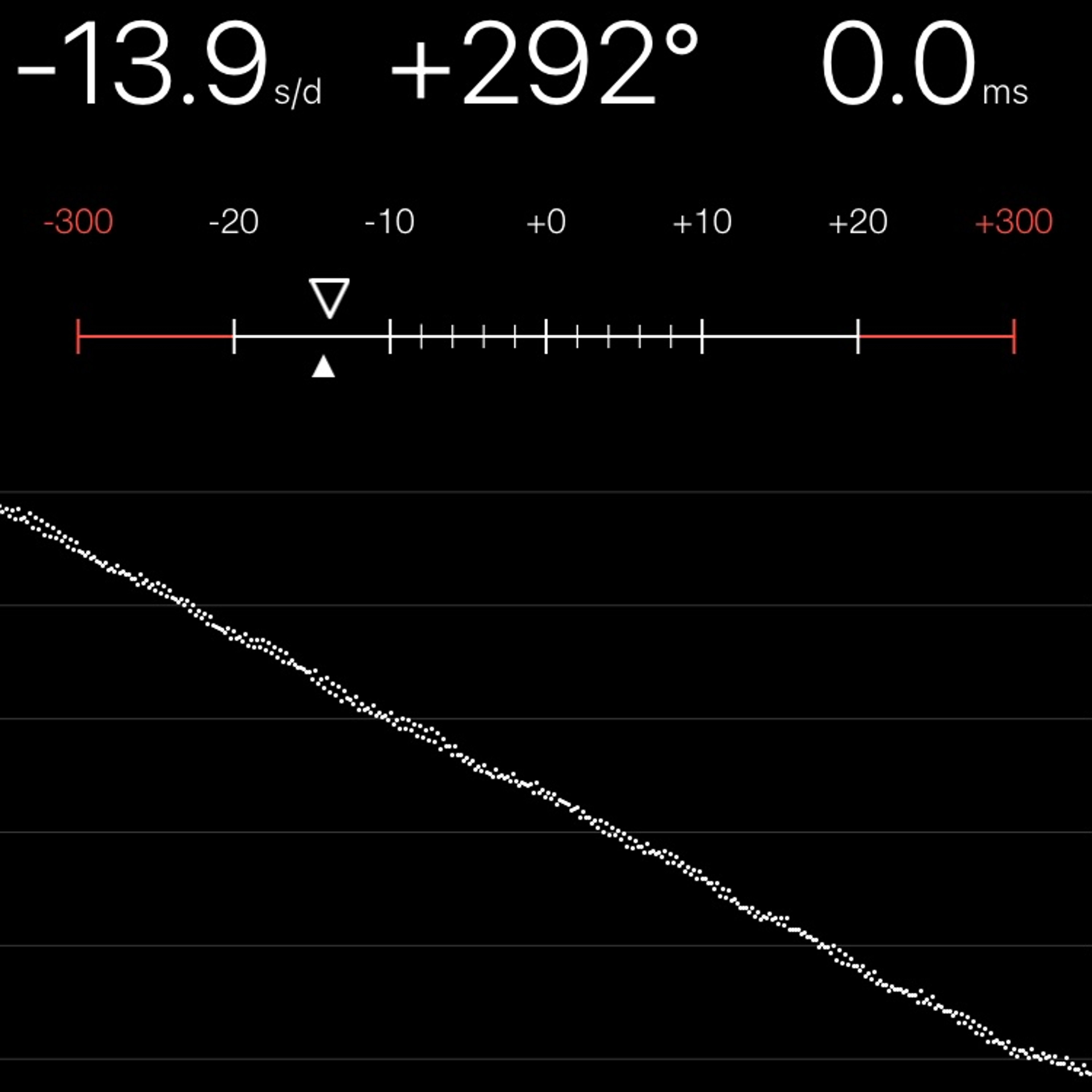
This reading was taken (crown down) with a ONEOF Accuracy Boutique Edition timing machine at time of cataloging. It is provided as a courtesy only, and shall not be construed as a warranty or guarantee of any kind. Please refer to our terms and conditions of sale for more information.
Condition
case size: 35mm
Please Note: Due to CITES considerations, if the watch is to be shipped outside of the USA, the exotic skin strap will have to be removed.
Our Perspective
This Christopher Columbus World Time captures the distinctive character of Andersen Genève's early independent watchmaking. Its platinum case, commemorative enamel dial and traditional world time complication combine mechanical sophistication with historical storytelling, making it a particularly interesting example of Svend Andersen's work.


Eric Ku
Co-founder
