Introduction
Long before the modern revival of Bovet, the historic Swiss watchmaking name was associated with a fascinating variety of mechanical timepieces. Founded in 1822 by Édouard Bovet and his brothers, the company initially established its reputation through finely decorated pocket watches, particularly those produced for the Chinese market. By the twentieth century, the Bovet name had become associated with a broader range of wristwatches, including practical chronographs that reflected the growing demand for precision timing instruments. During the 1940s, chronographs were increasingly popular among professionals, sportsmen and enthusiasts, with their multiple scales allowing measurements beyond simple elapsed time. Swiss manufacturers developed an extraordinary variety of dial configurations during this period, often combining tachymeter and telemeter scales with bold Arabic numerals and contrasting subsidiary registers. These watches have become particularly appealing to vintage collectors, offering a combination of mechanical ingenuity and the distinctive aesthetics of mid-century chronograph design.
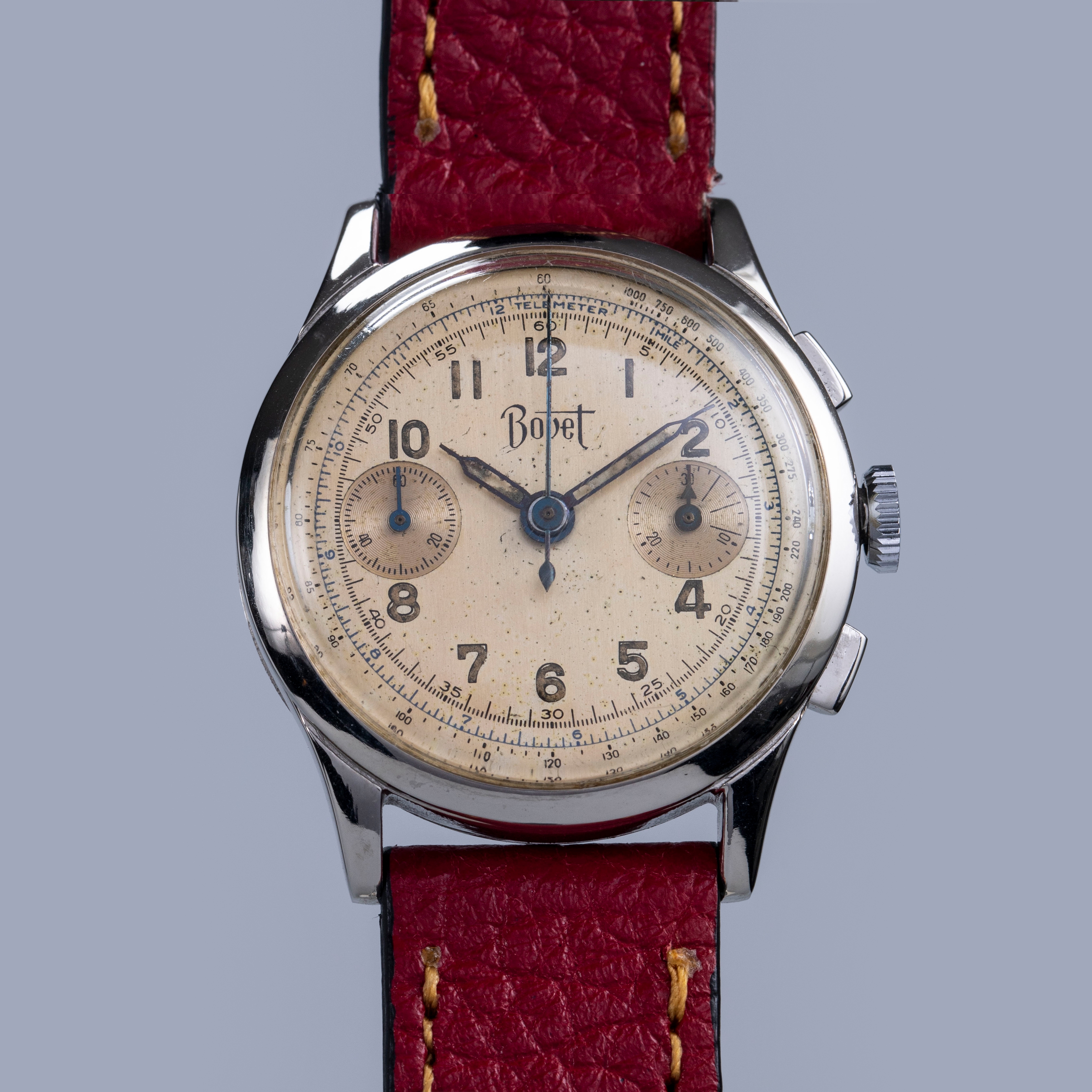
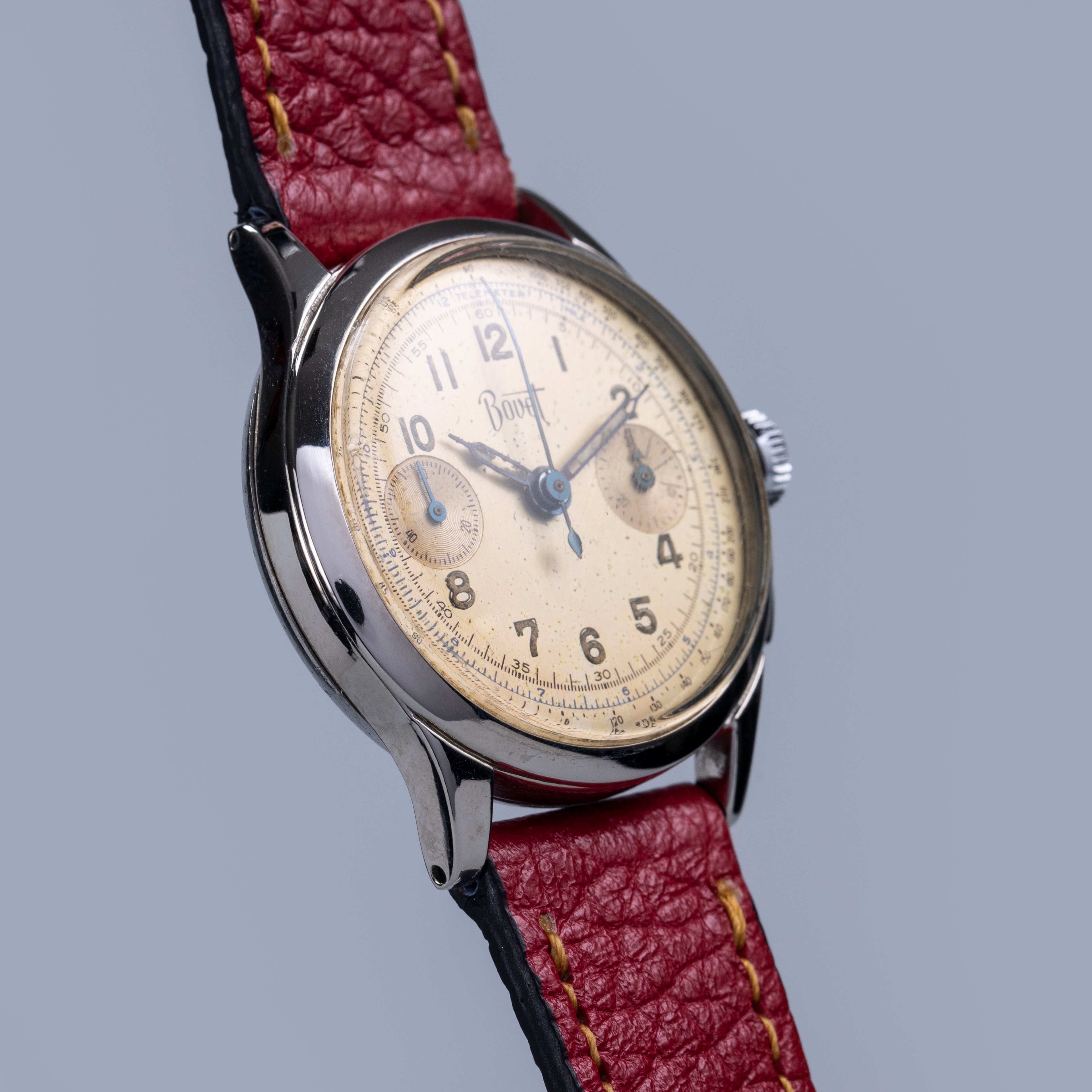
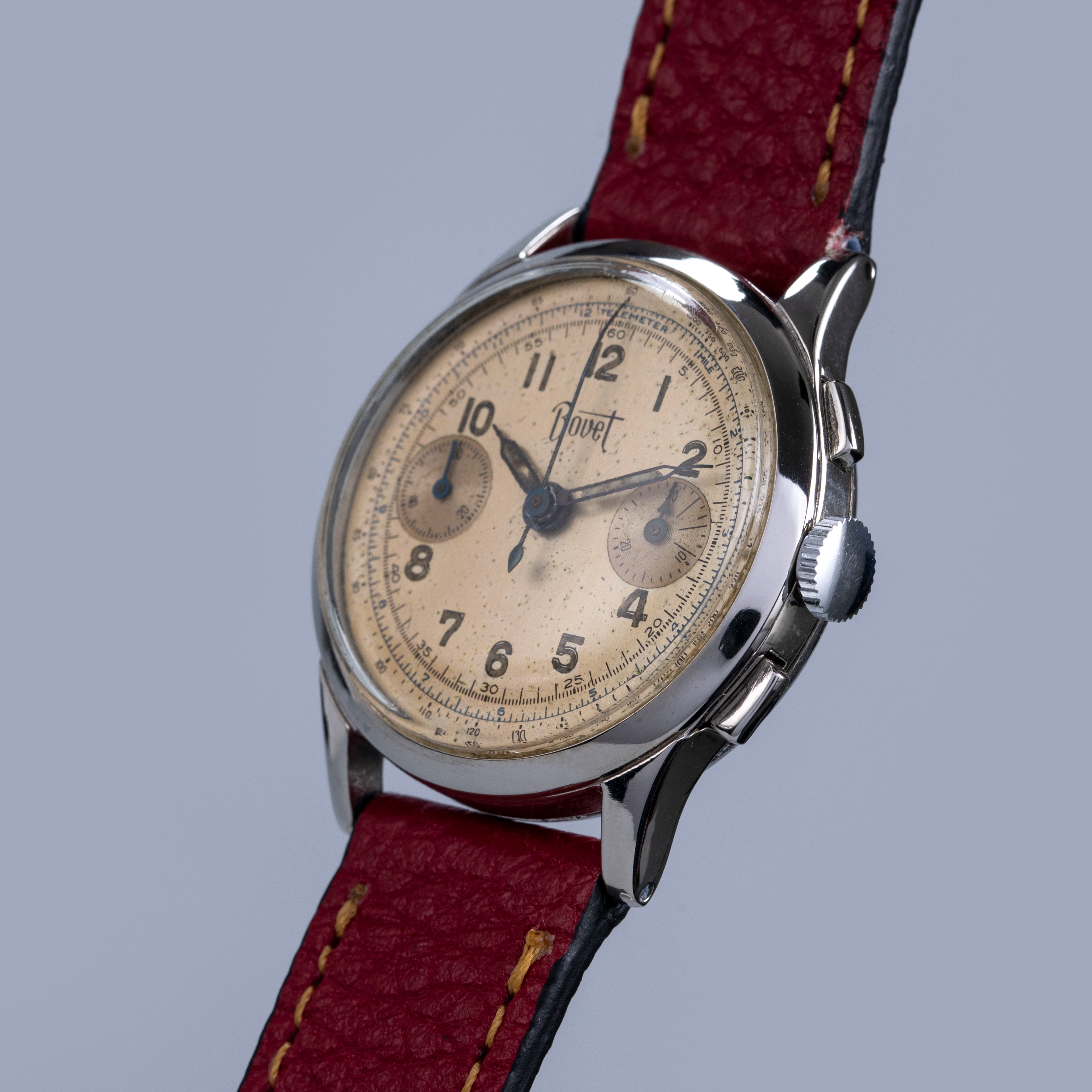
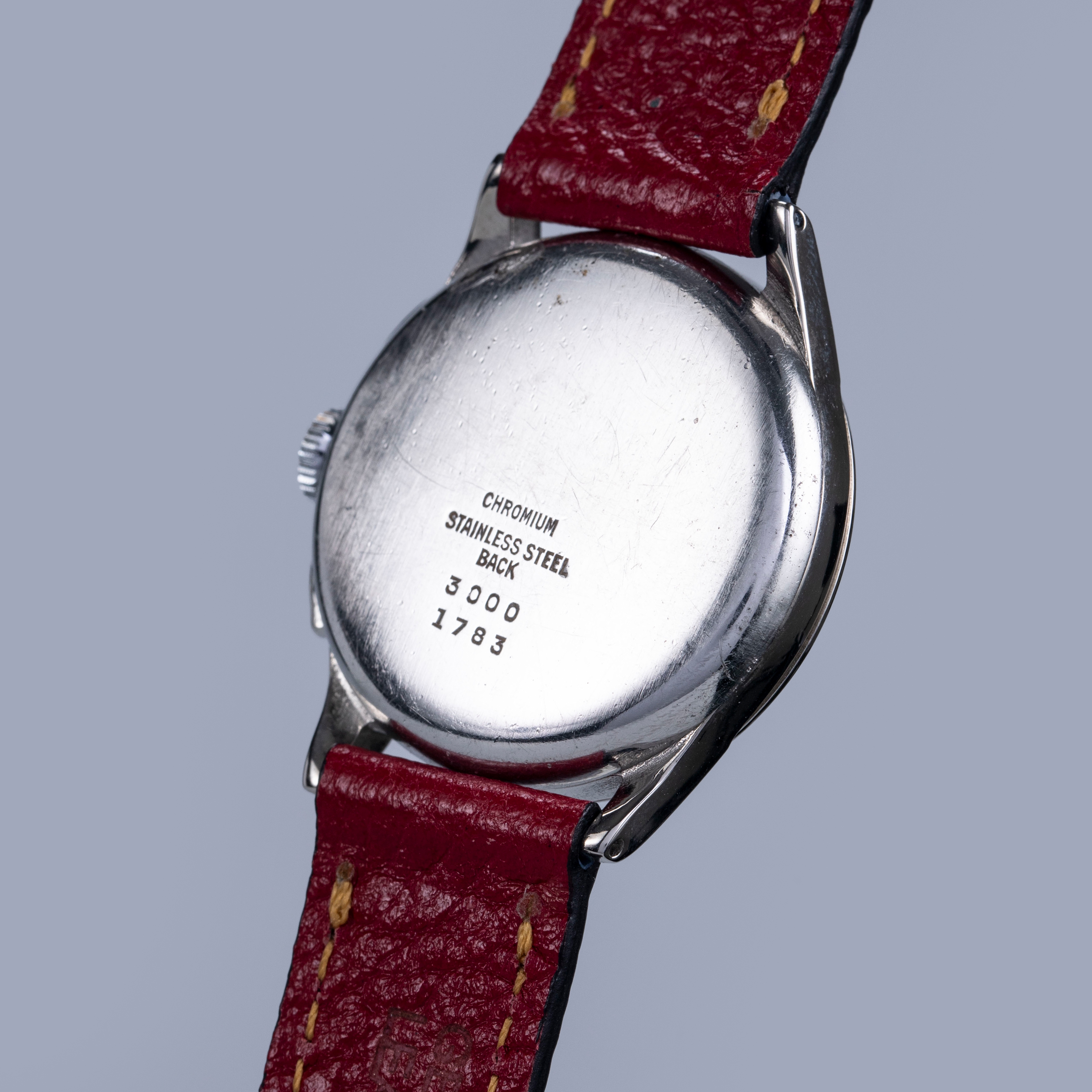
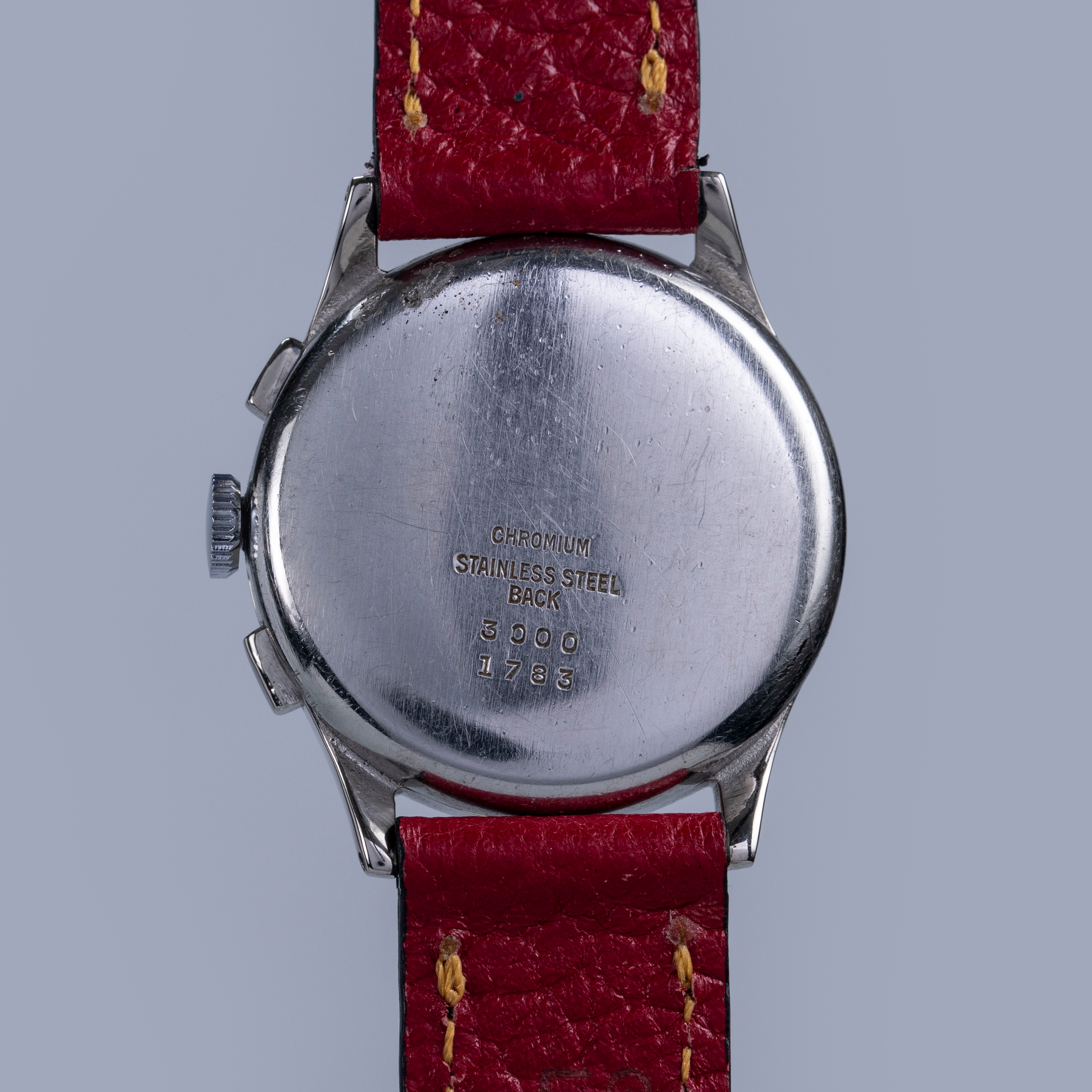
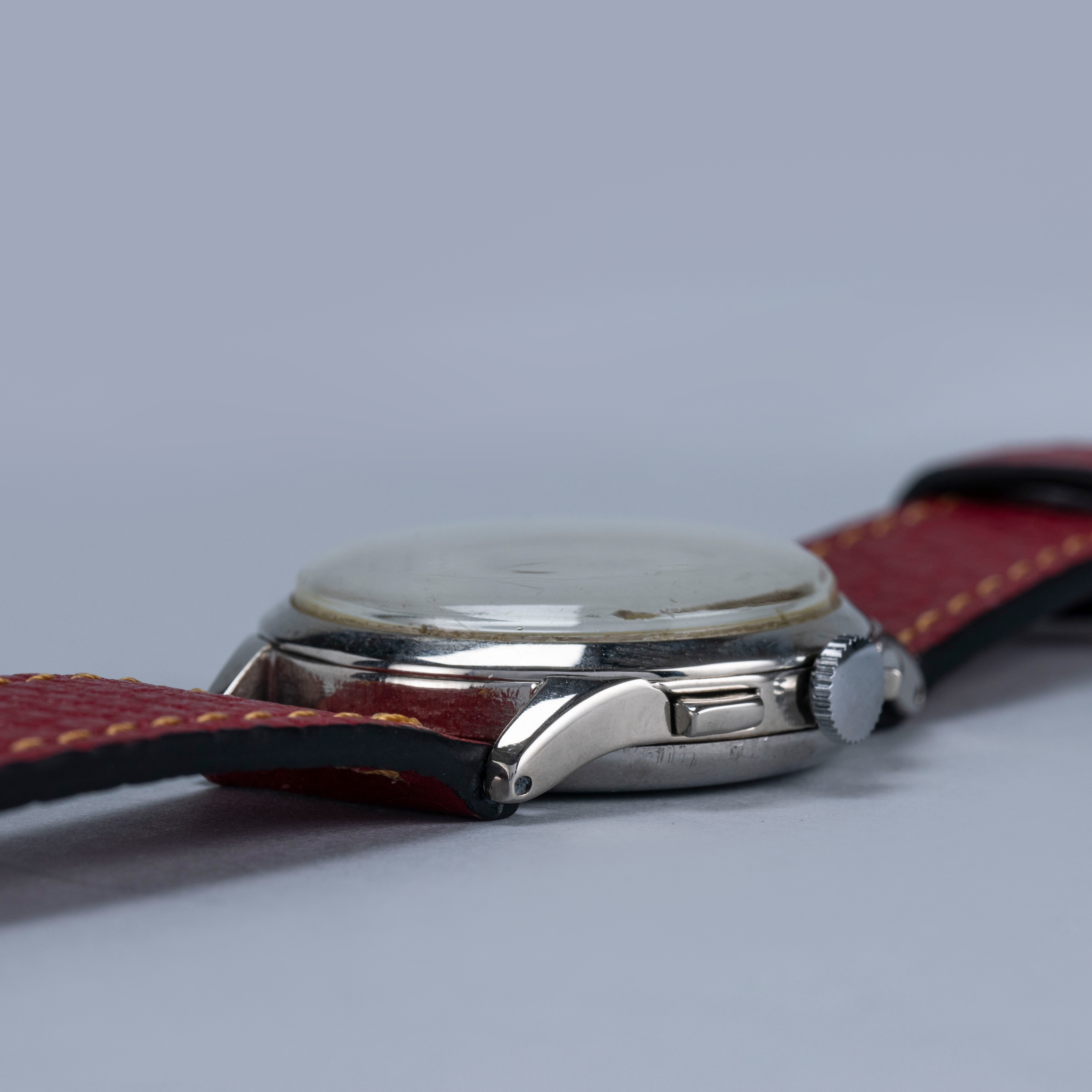
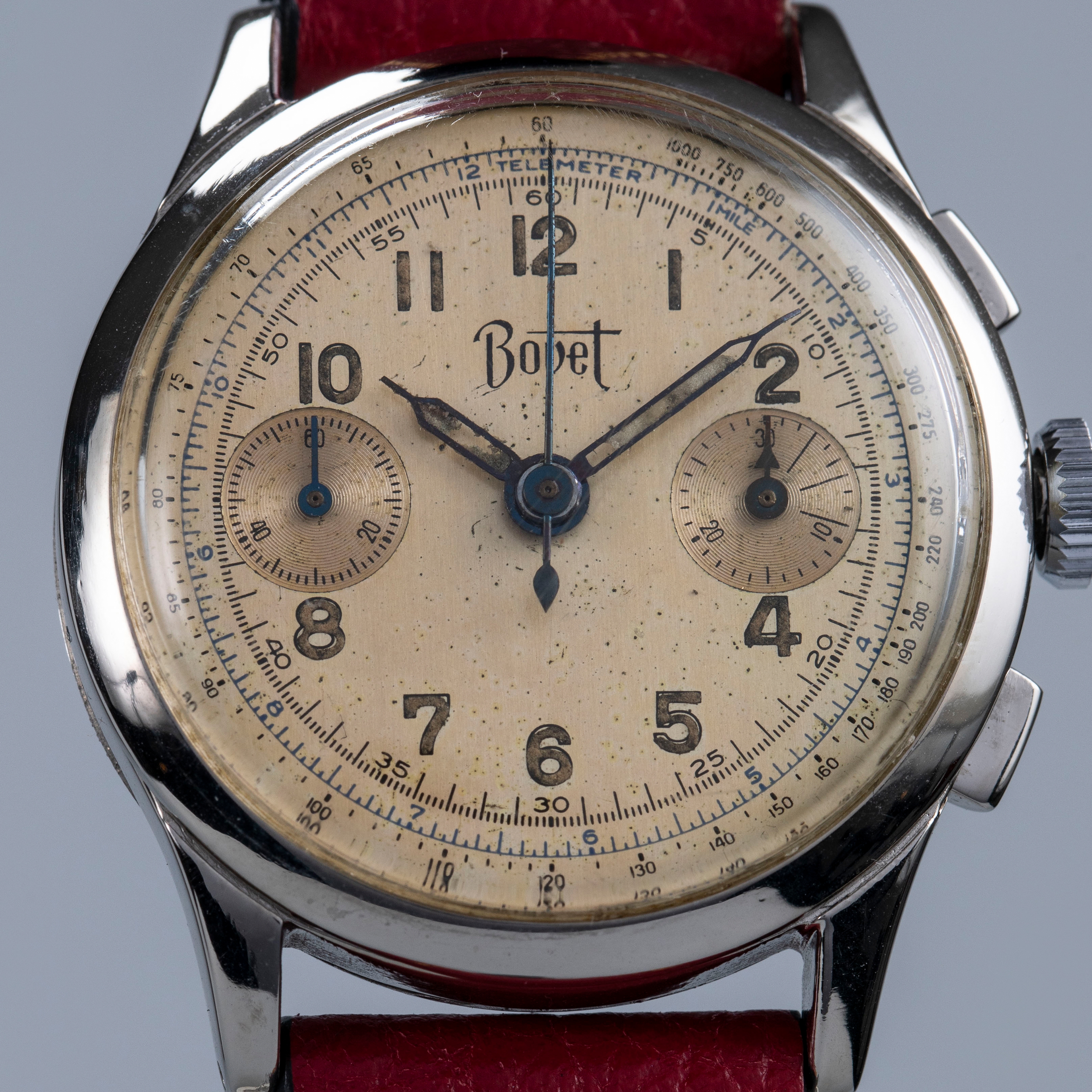
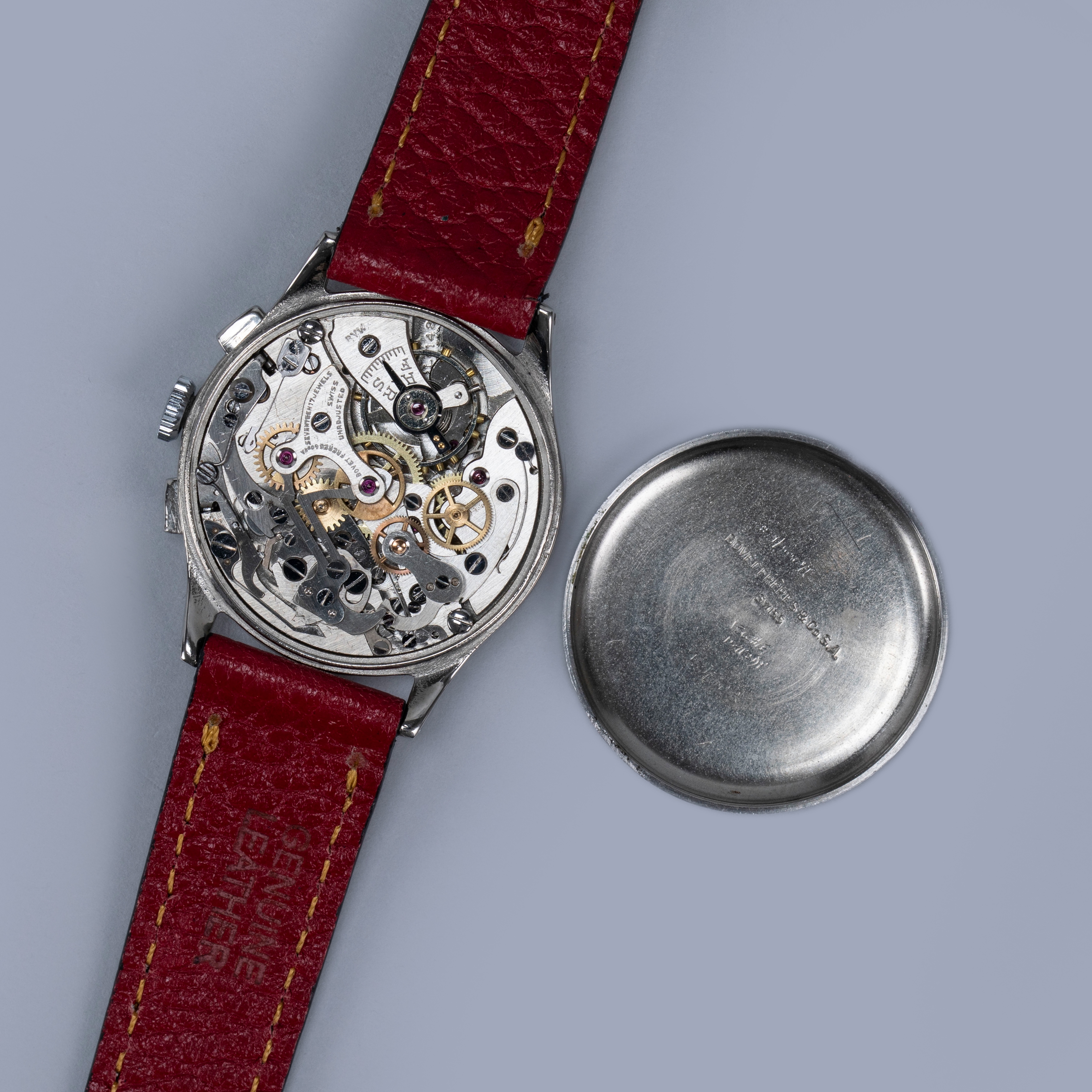
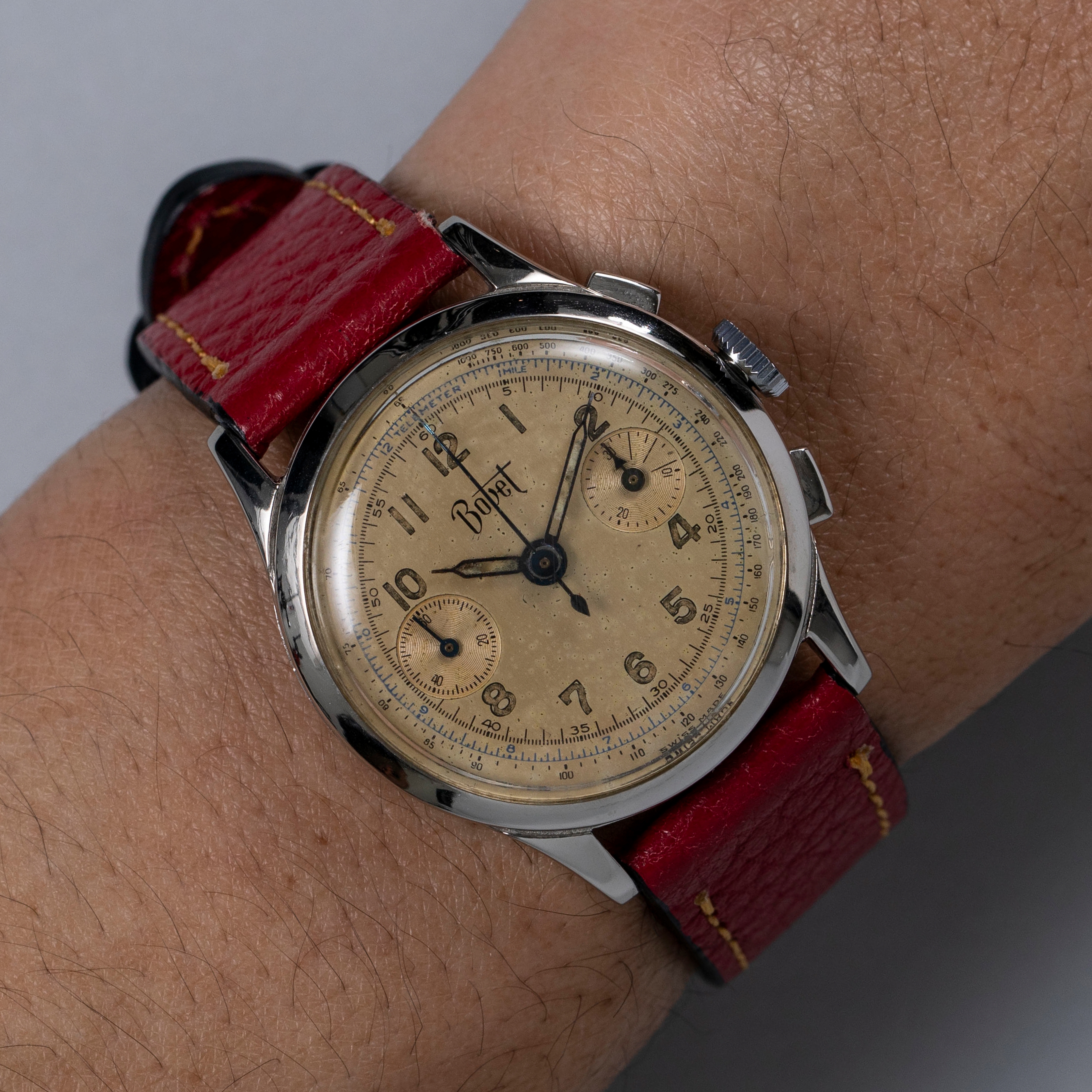
Dating to the late 1940s, this Bovet Chronograph 3000 is a particularly attractive example of the period's two-register chronographs. Its chrome plated case features rectangular chronograph pushers and a traditional round profile, framing a beautifully aged silver dial with a champagne tone. The dial combines large Arabic hour numerals with blued syringe-style hands and two recessed subsidiary registers, while the outer perimeter incorporates both tachymeter and telemeter scales. The tachymeter allows average speed to be calculated over a measured distance, while the telemeter can be used to estimate distance through the difference between the speed of light and sound. These practical functions give the watch the character of a genuine timing instrument, while the intricate dial printing provides considerable visual interest. Inside is a manually wound 17-jewel chronograph movement from the Landeron 51 family, employing a cam-operated mechanism that was widely used in Swiss chronographs of the period. Signed Bovet on the dial, with Bovet Frères & Co. S.A. markings on the movement and inside case back, this example represents an appealing chapter in the company's historic production.
Loupe This Scorecard
Grade
V 8.5
Status
Vetted & Approved
Included
Watch Only
Est. value range
$2,000 – $3,000
The Details
Brand
Bovet
Dimensions
34mm
Model
Chronograph
Movement
Manual-winding Landeron 51, 17 Jewels
Reference
3000
Bracelet
Leather strap
Year
Circa late 1940s
Condition
Excellent
Material
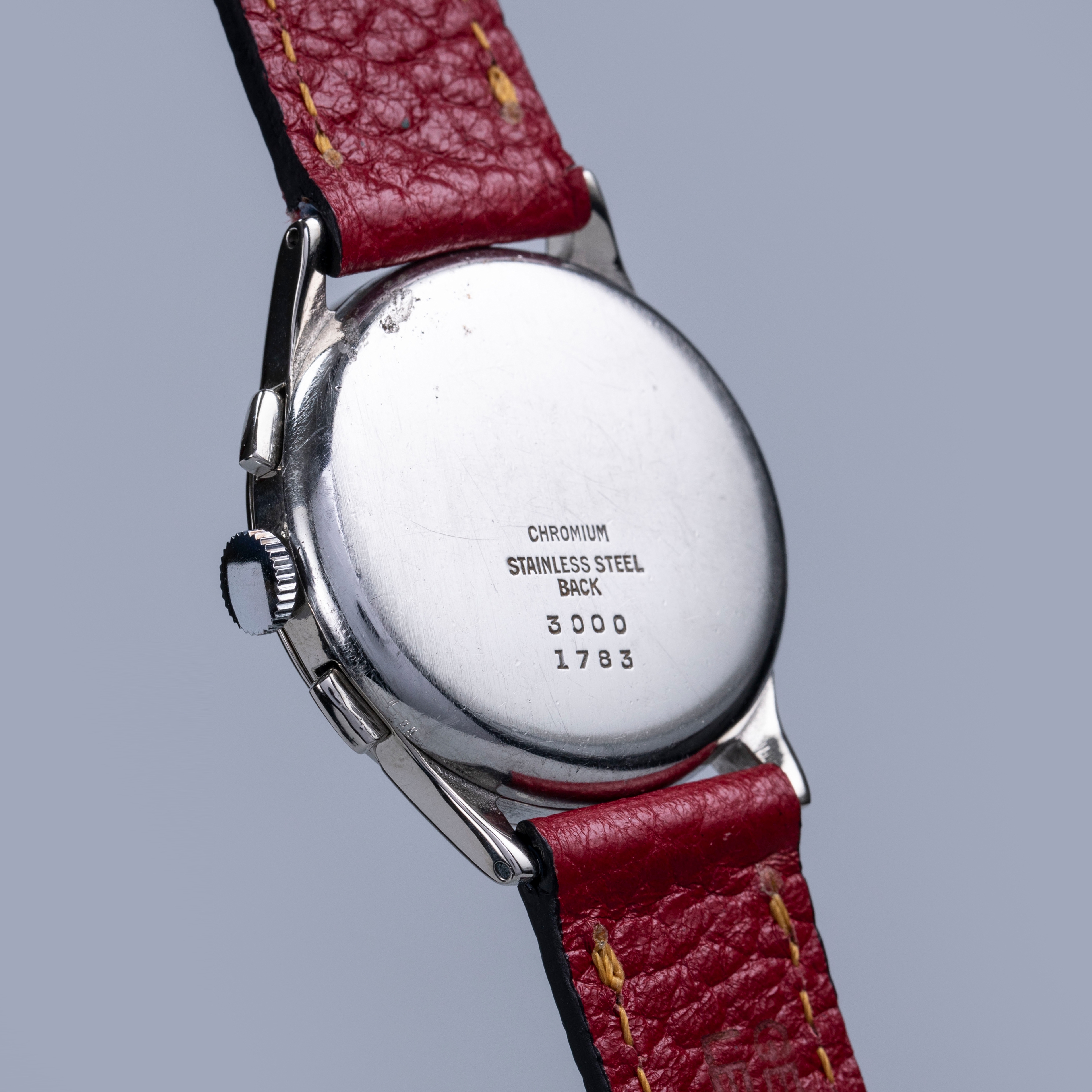
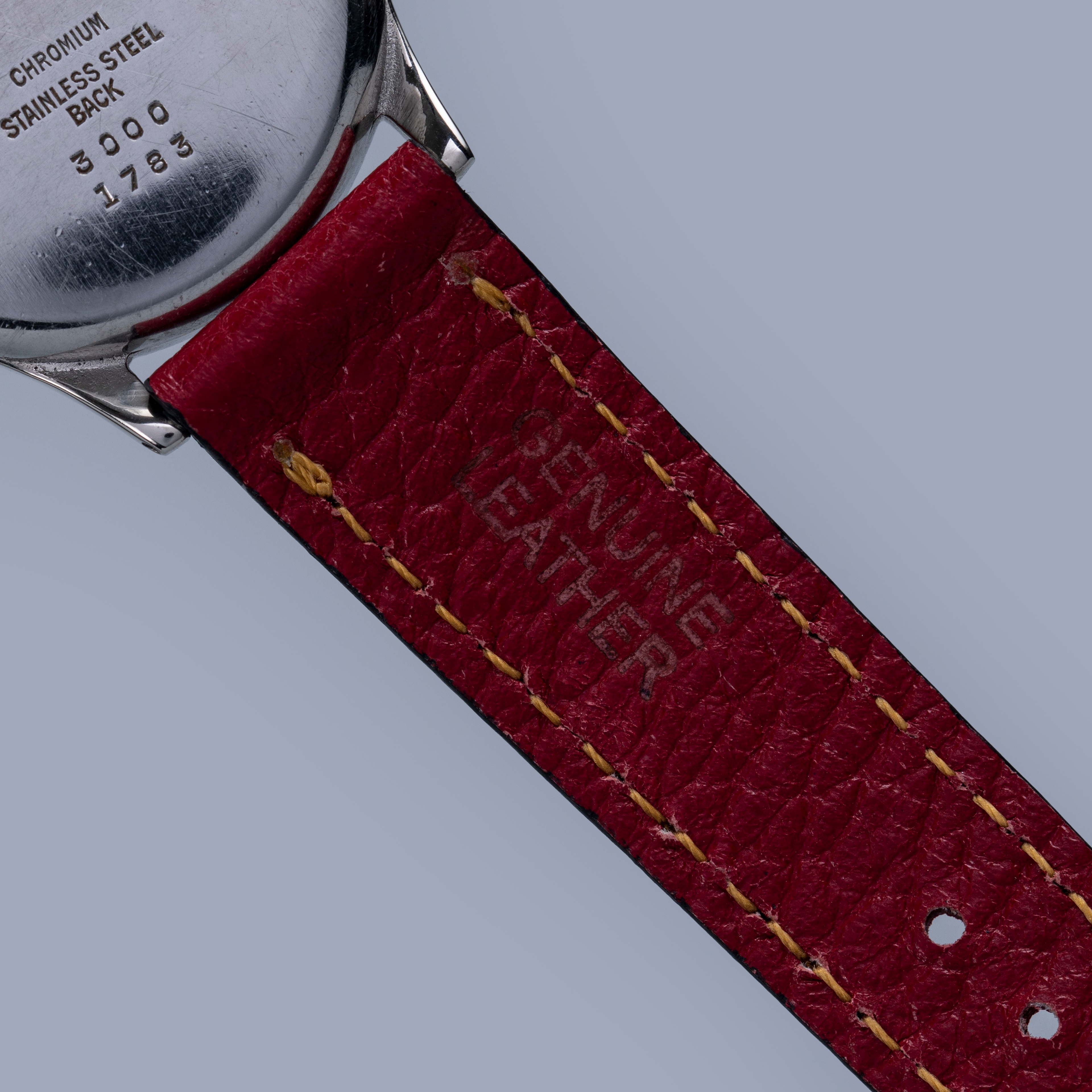
Chrome plated case with stainless steel back
Included
Watch only
Dial Color
Silver/Champagne
THE DIAL
The silver dial features a warm champagne tone, with large radium Arabic hour numerals and blued syringe-style hands. Two recessed subsidiary registers provide running seconds and a chronograph minute counter, while the outer perimeter incorporates a black tachymeter scale and contrasting blue telemeter scale. The combination of multiple timing scales and bold numerals is characteristic of 1940s chronograph design.
THE CONSTRUCTION
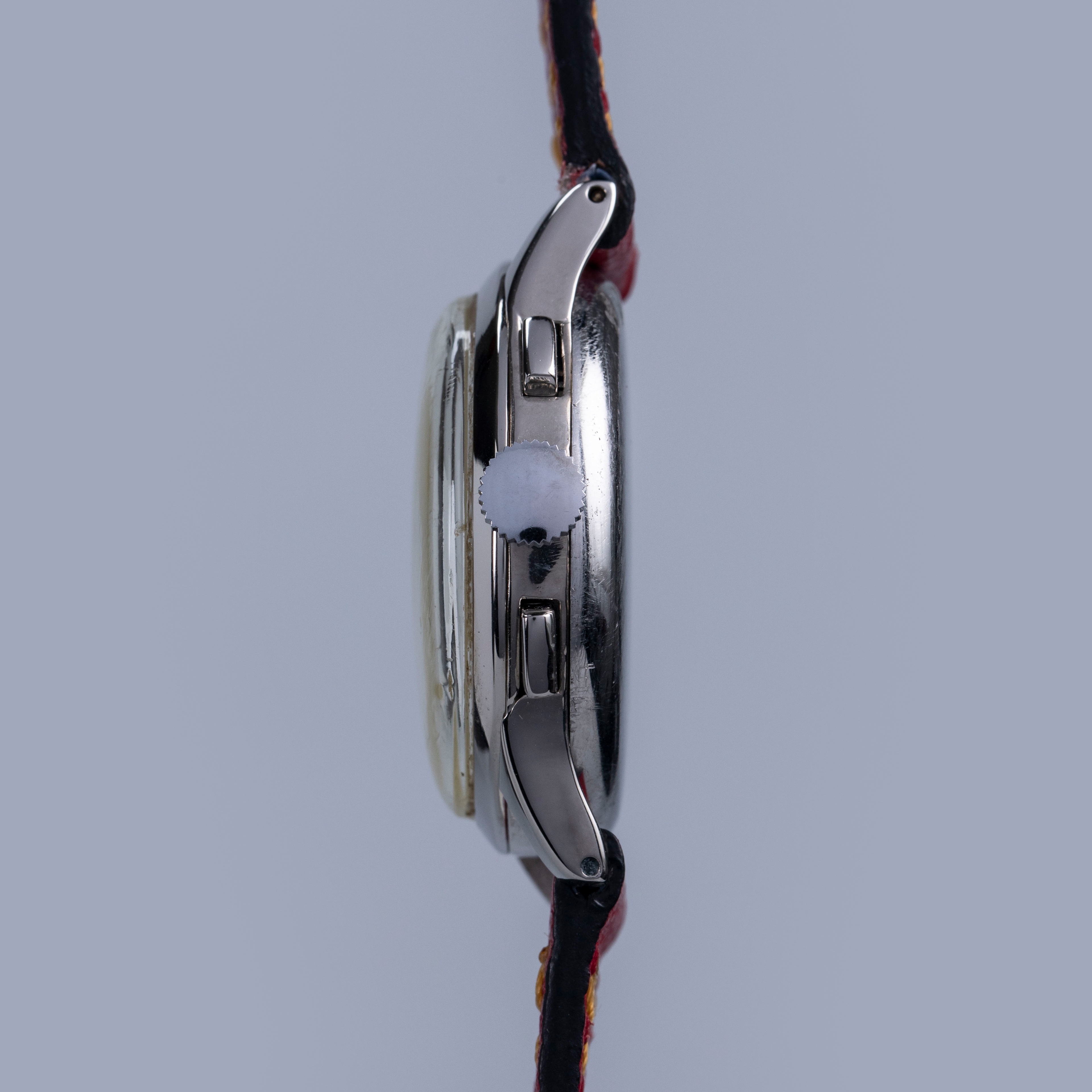
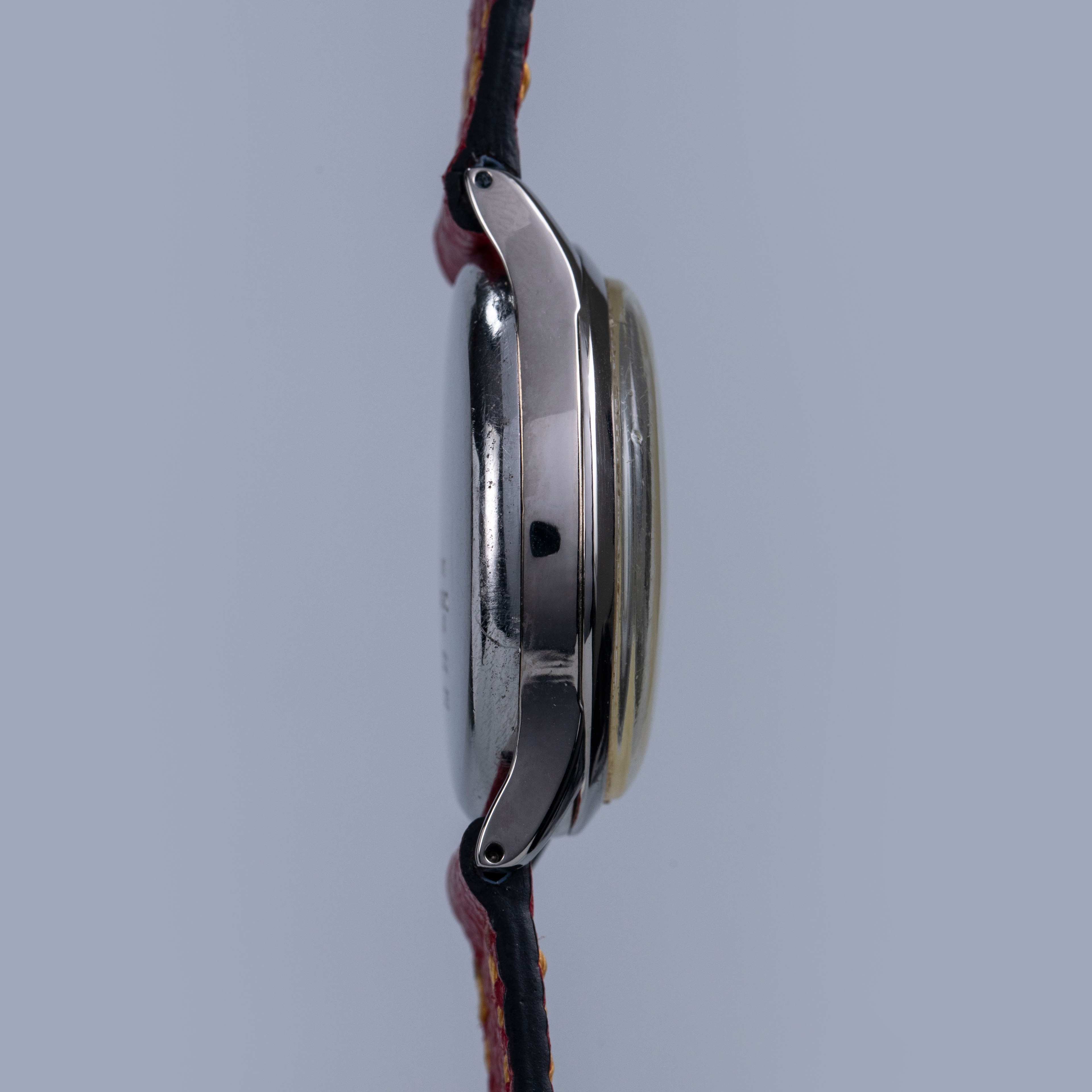
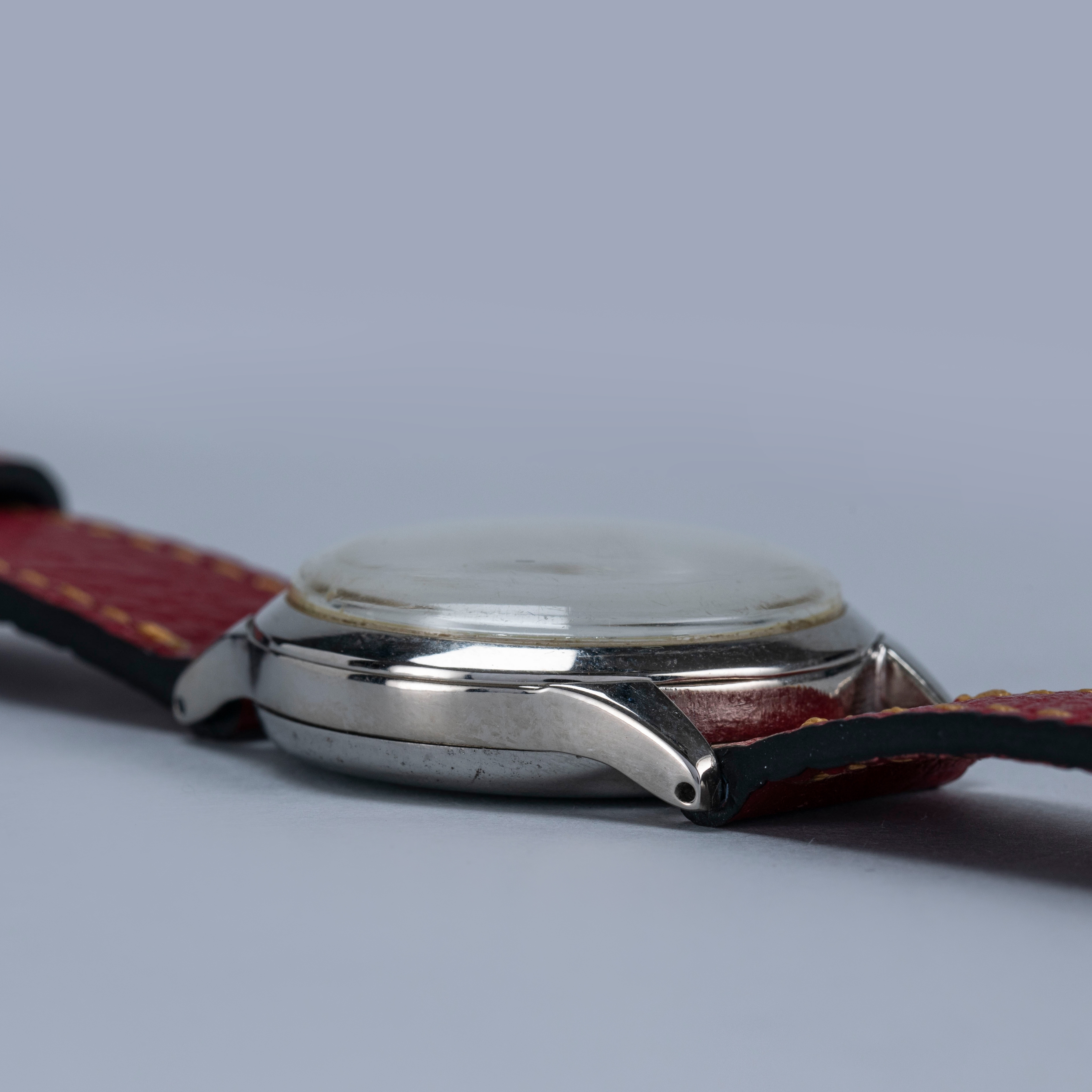
The chrome plated case features a traditional round profile, with a polished bezel and gently curved lugs. Rectangular chronograph pushers are positioned above and below the winding crown, providing control of the chronograph mechanism. The case's relatively restrained design allows the elaborate multi-scale dial to remain the principal visual feature.
TIMING MACHINE READOUT
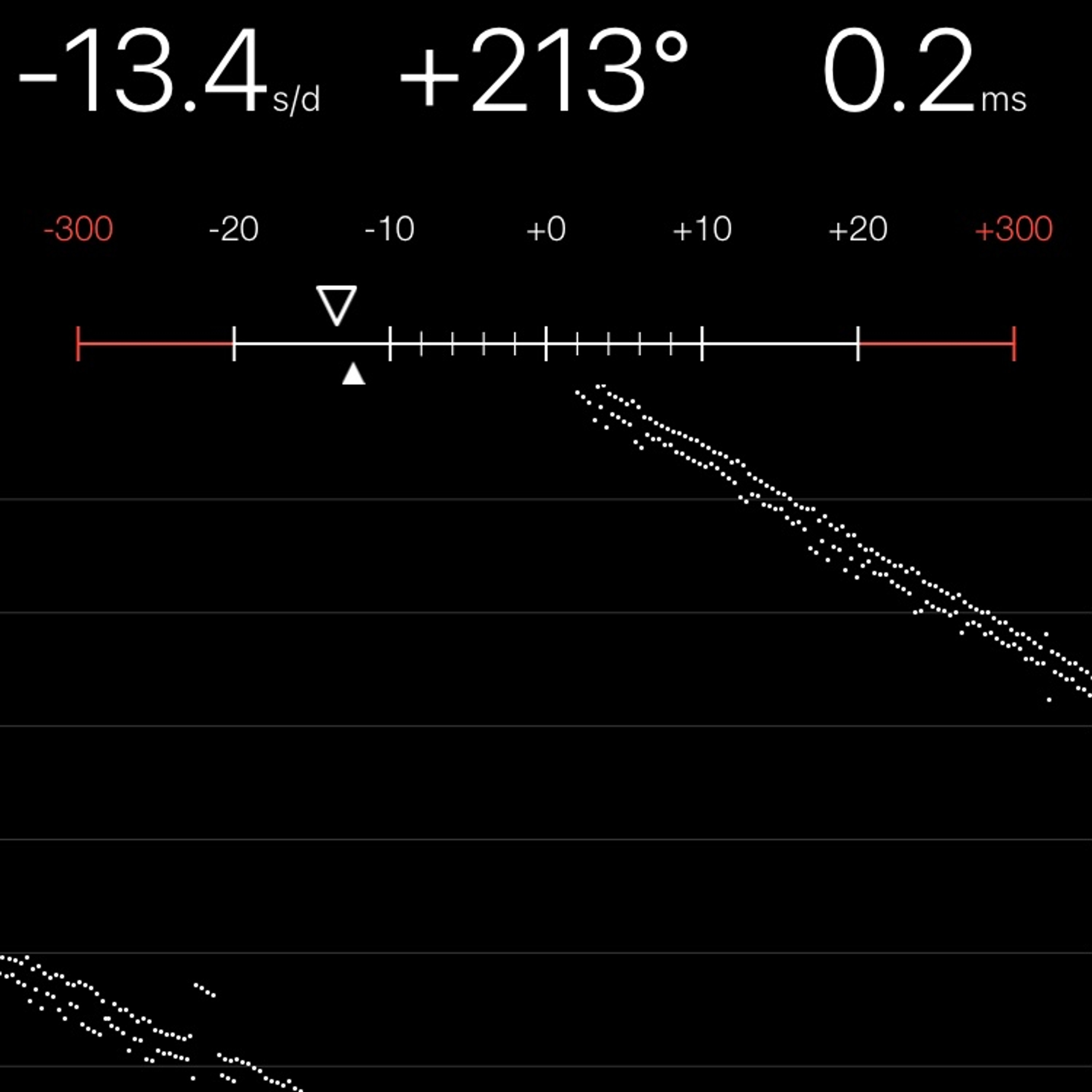
This reading was taken (crown down) with a ONEOF Accuracy Boutique Edition timing machine at time of cataloging. It is provided as a courtesy only, and shall not be construed as a warranty or guarantee of any kind. Please refer to our terms and conditions of sale for more information.
Condition
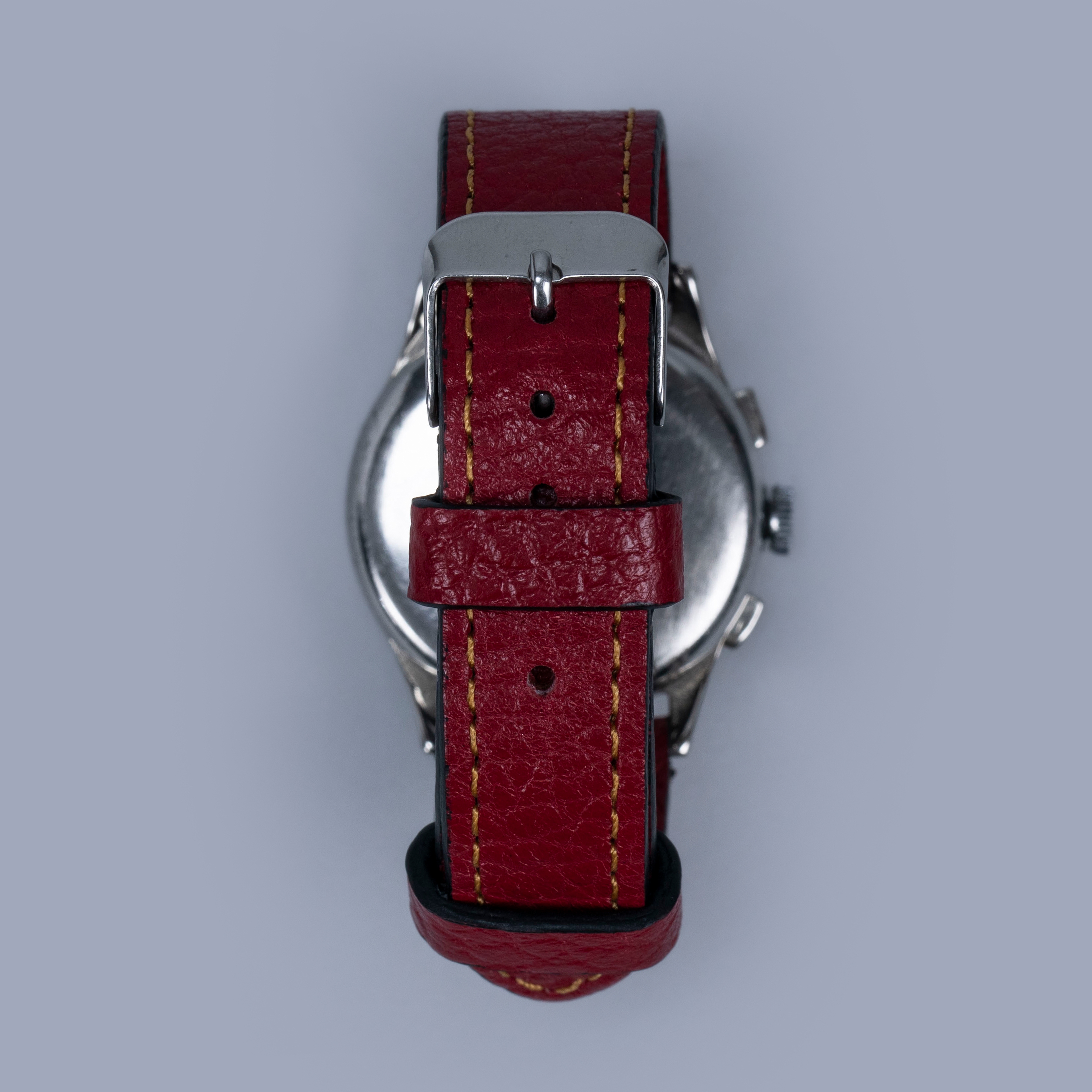
Watch is in overall excellent condition. The chrome-plated case shows surface scratches and small nicks, although the plating remains largely intact. The stainless steel case back shows well-defined engravings, including the reference and serial number stamps. The silver dial has aged to a pleasing, even cream hue, with some surface spotting, while all the text and scales remain well defined. The radium luminous hour markers have darkened, as expected of a watch of this vintage. The blued syringe hands show significant deterioration to the luminous material. It is fitted with a leather strap and stainless steel pin buckle.
Our Perspective
This Bovet chronograph captures the appeal of 1940s Swiss watchmaking, combining a distinctive multi-scale dial with the mechanical charm of a manually wound chronograph. Its bold Arabic numerals, blued hands and contrasting telemeter and tachymeter scales make it an engaging example of mid-century instrument-watch design.


Justin Gruenberg
Co-founder
