
Introduction
Few names in modern watchmaking carry quite the same significance in the specialised art of casemaking as Jean-Pierre Hagmann. Originally trained as a jeweller, Hagmann became one of Geneva’s most respected independent casemakers, producing cases for some of the most important complicated watches of the modern era. His distinctive “JHP” hallmark can be found on cases made for manufacturers including Patek Philippe, notably on references such as the 3974, 3979, 5016 and 5029. In 2019, he joined Akrivia, bringing decades of traditional expertise to the Geneva independent watchmaker.
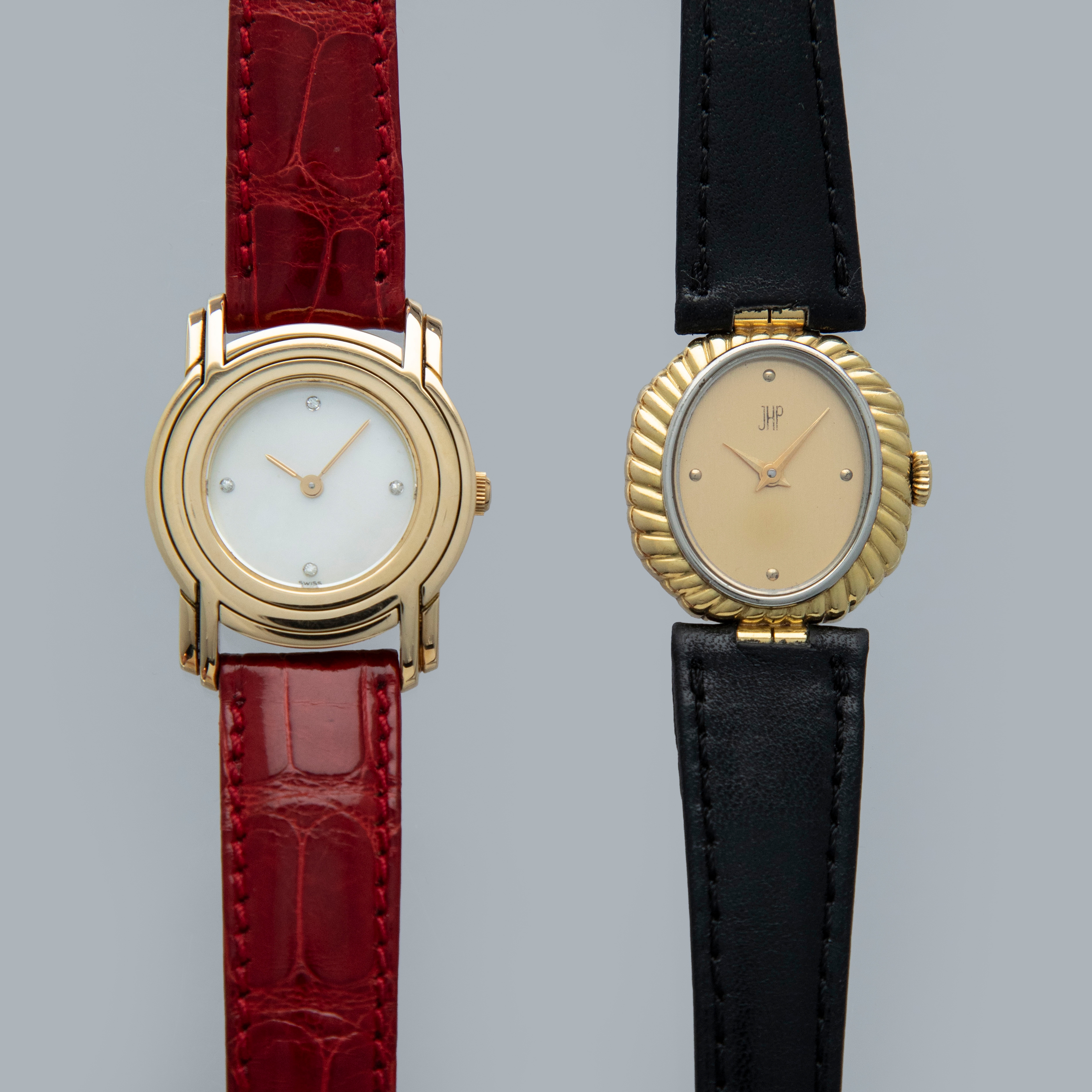
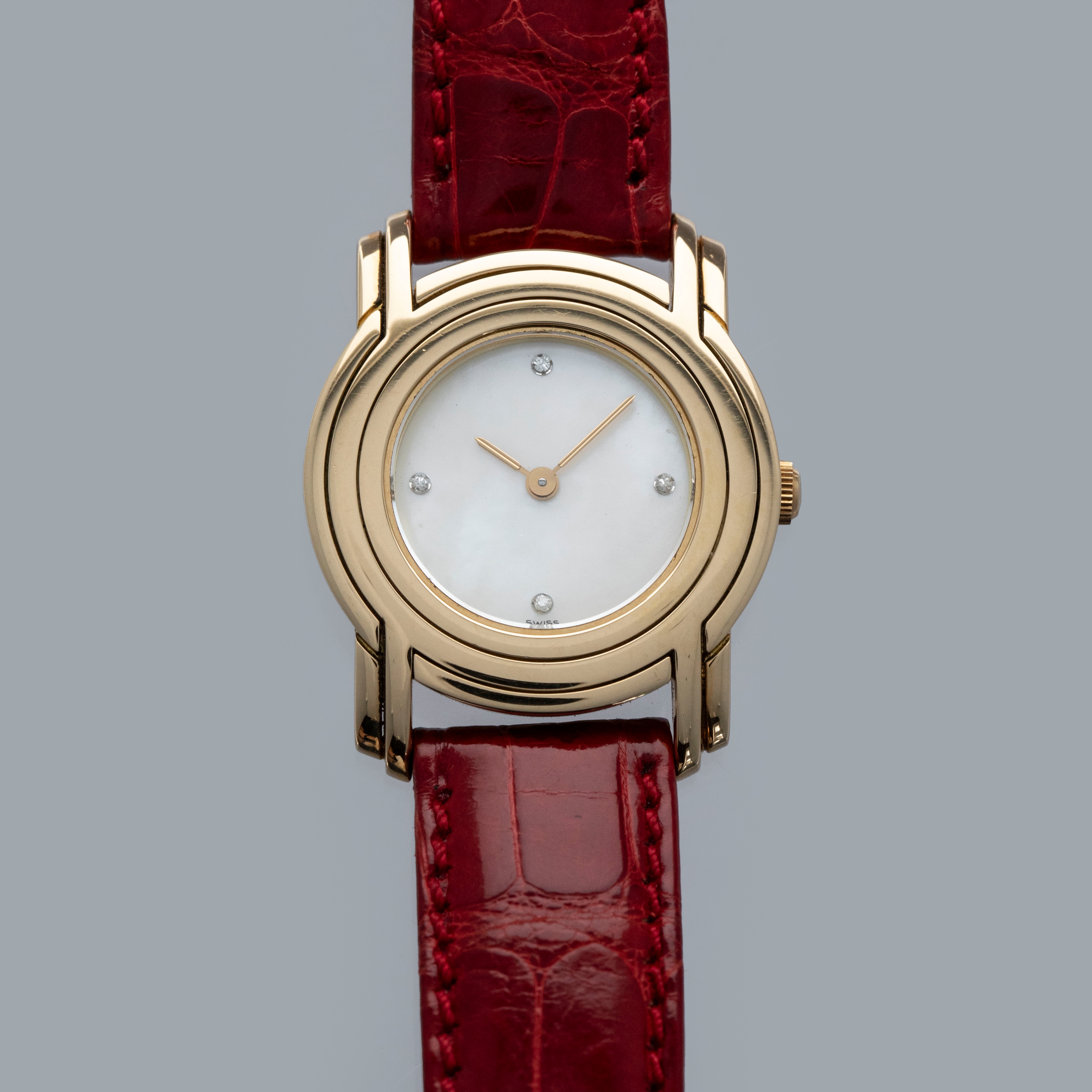
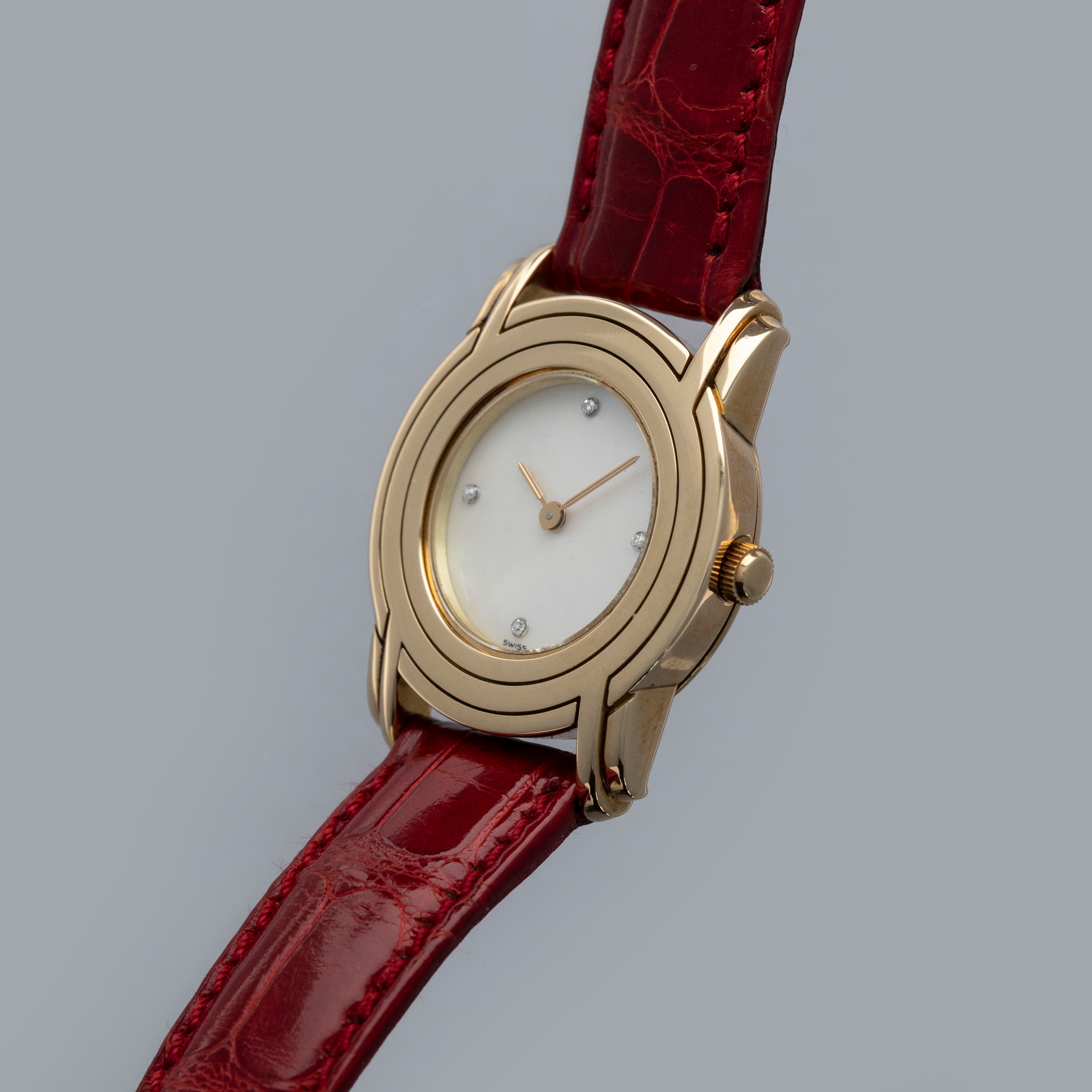
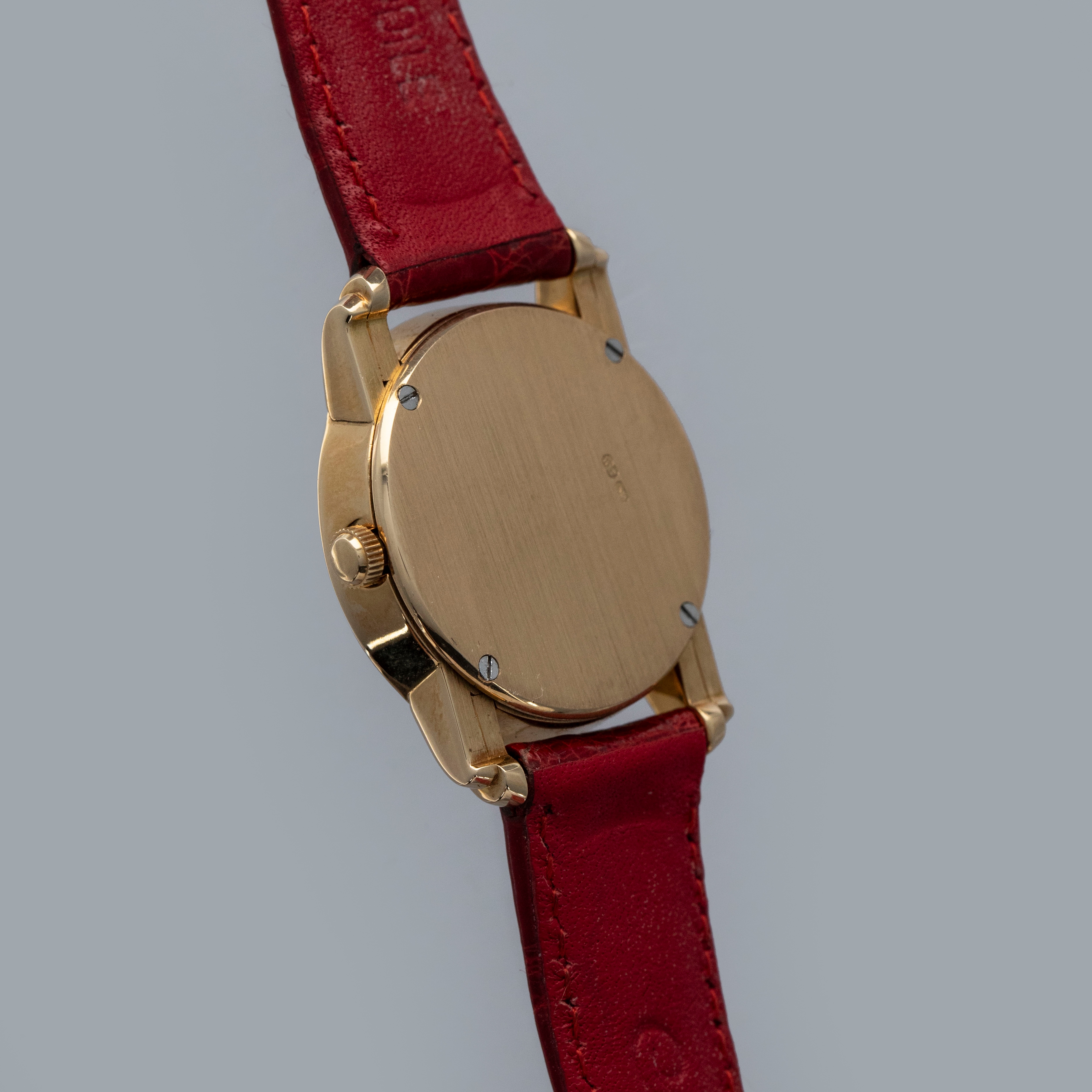
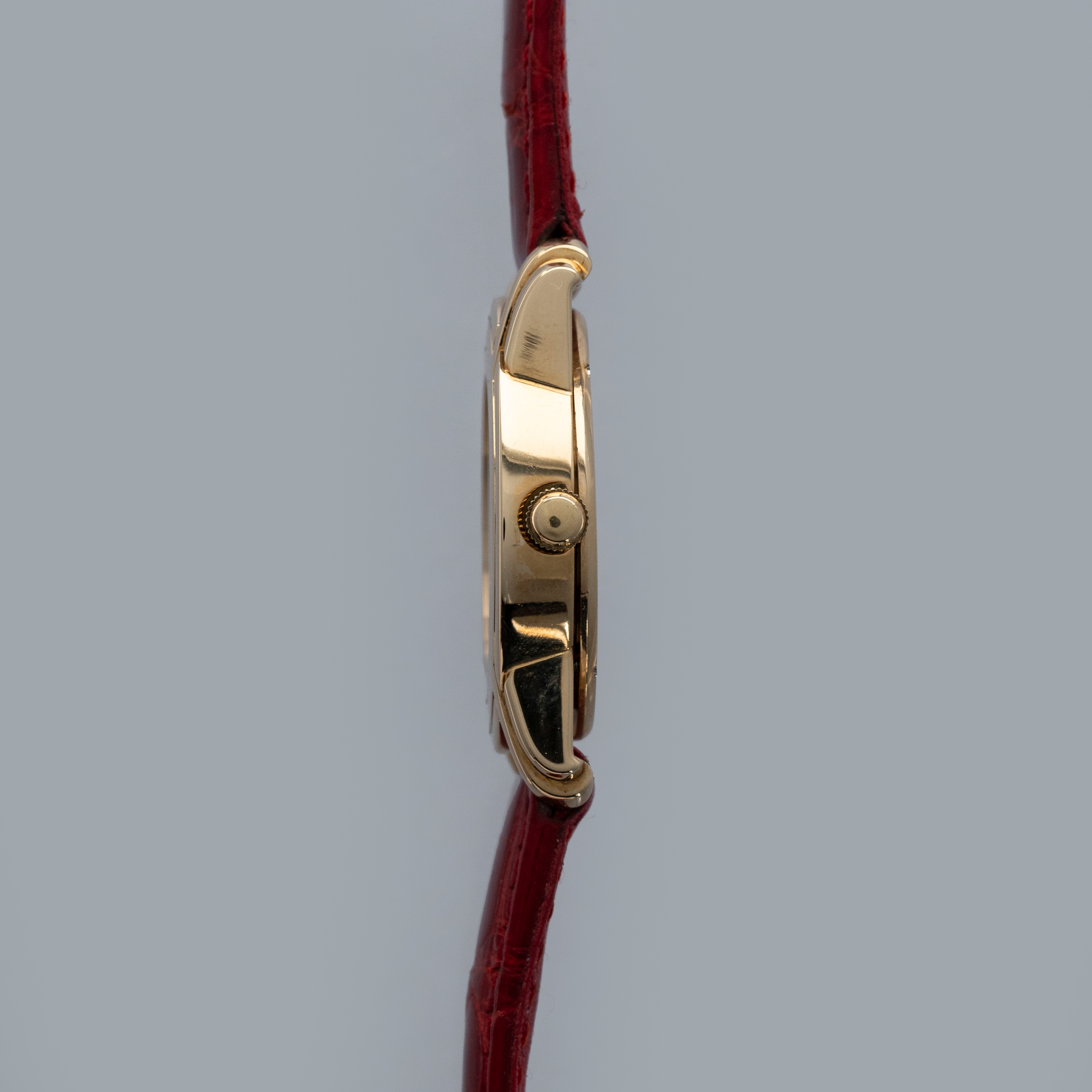
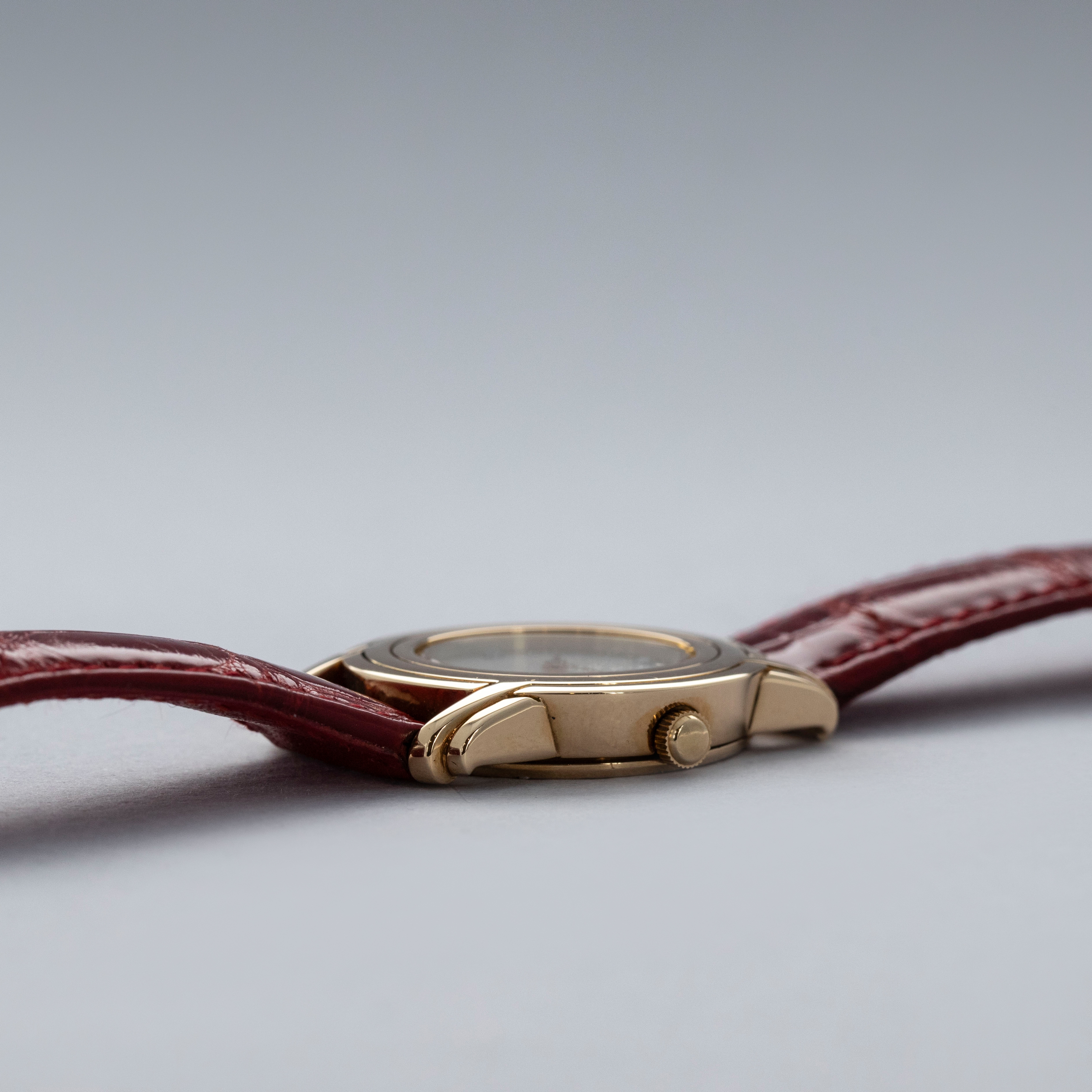
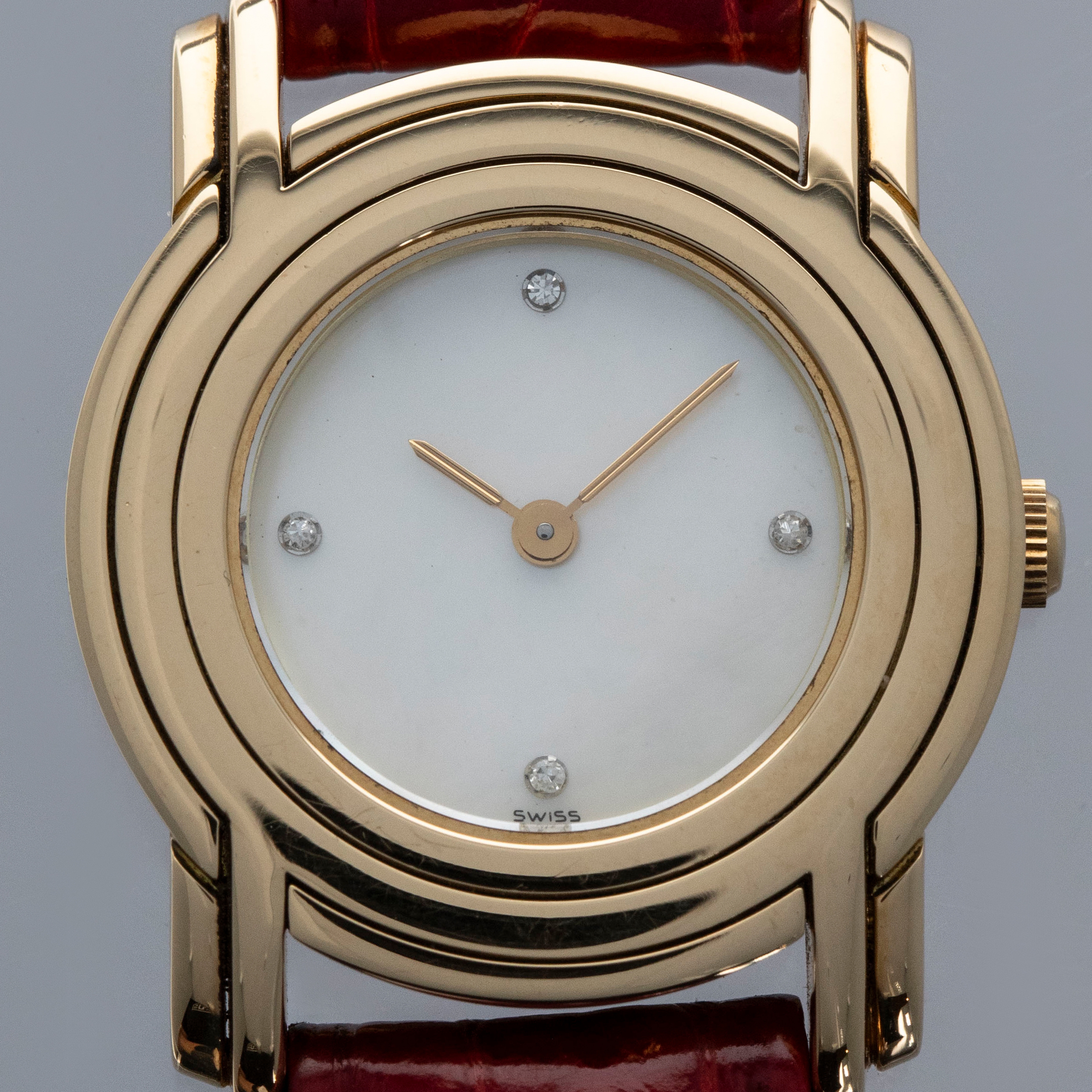
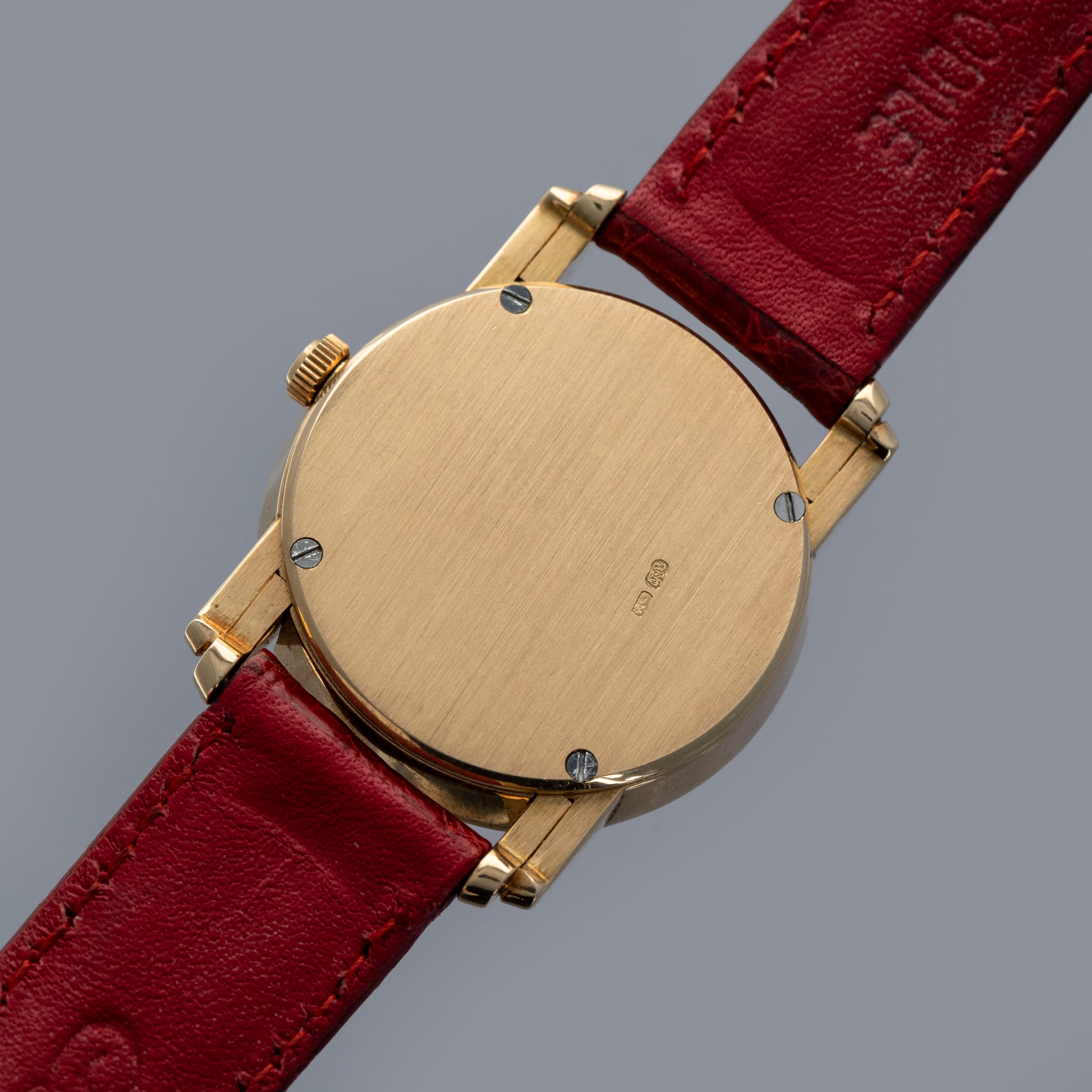
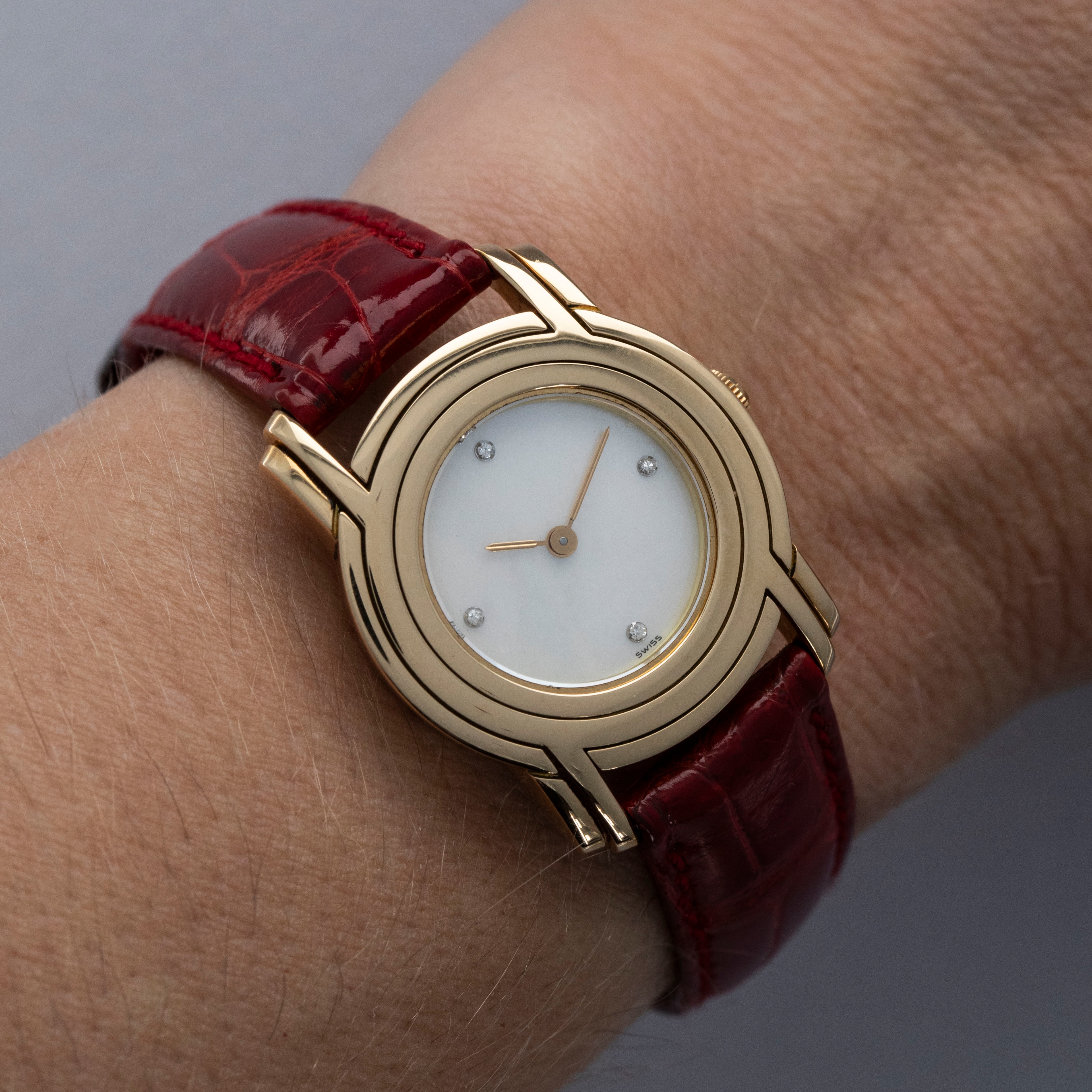
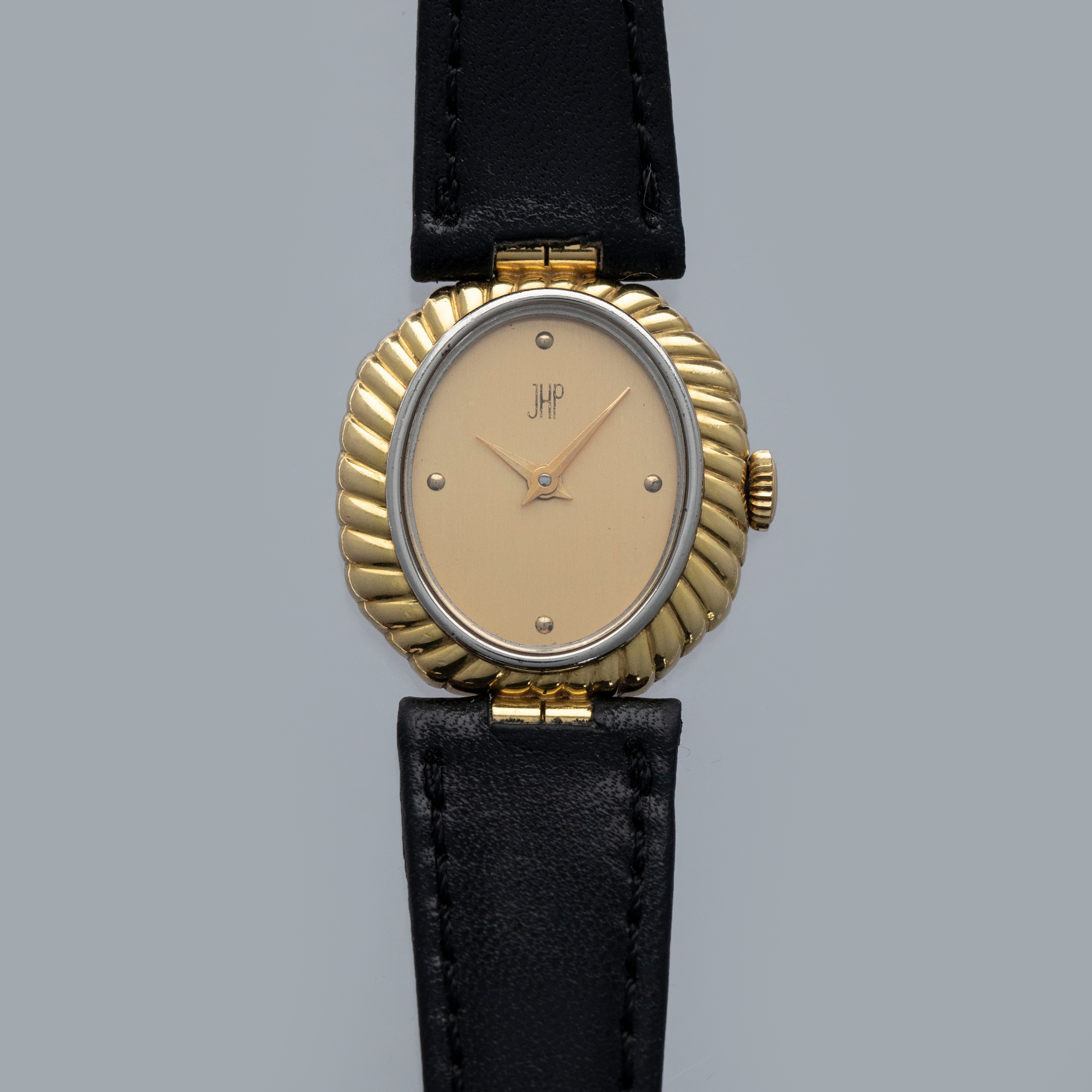
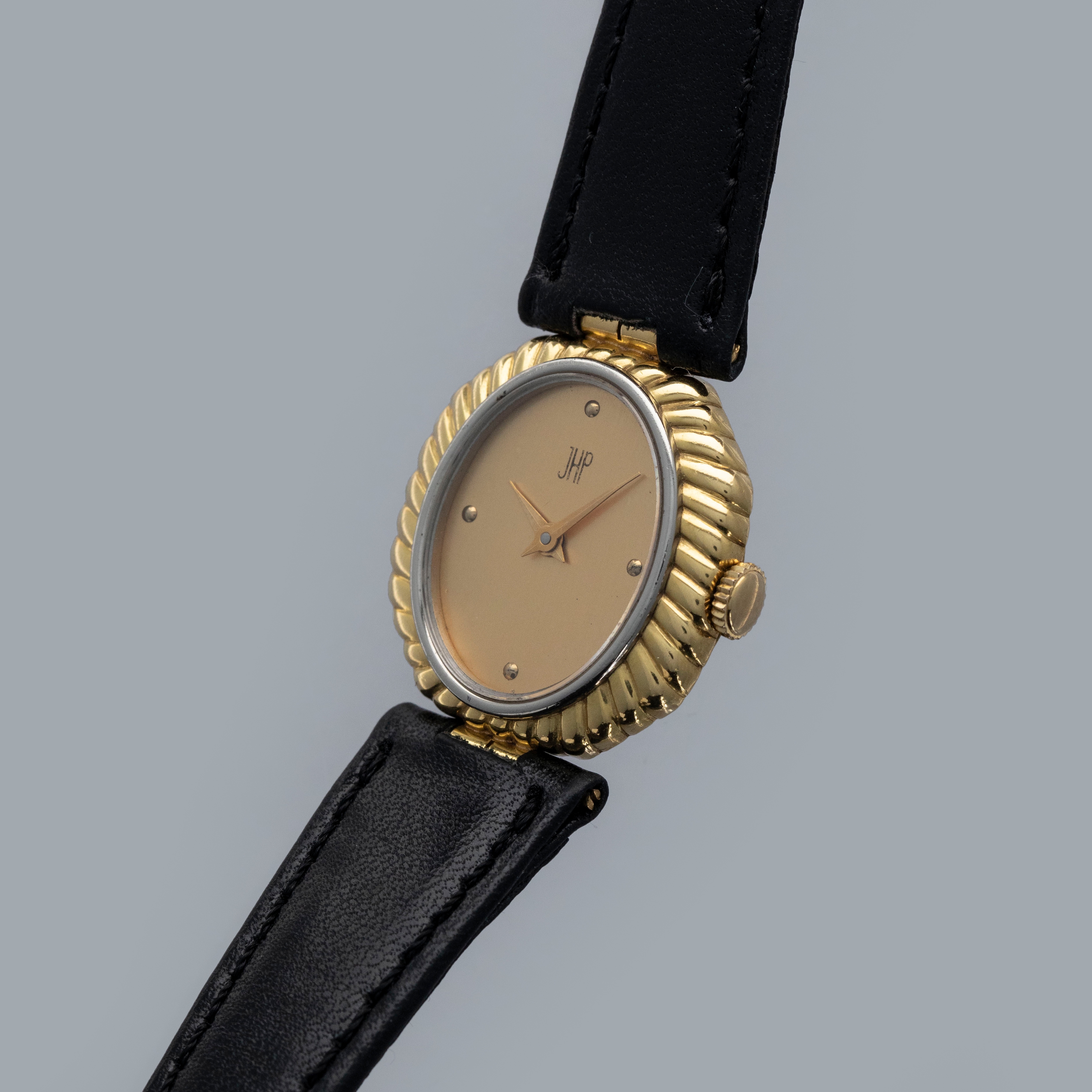
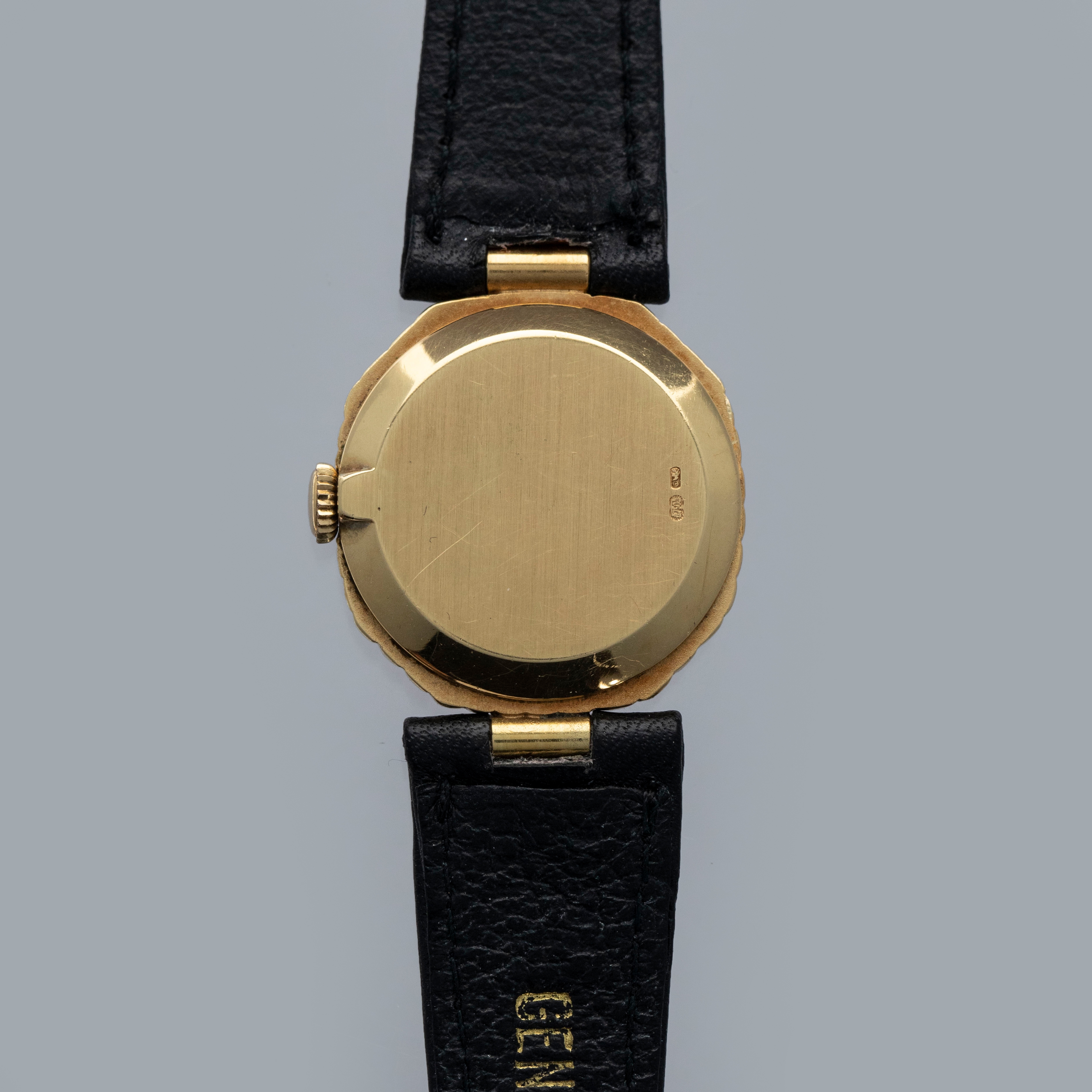
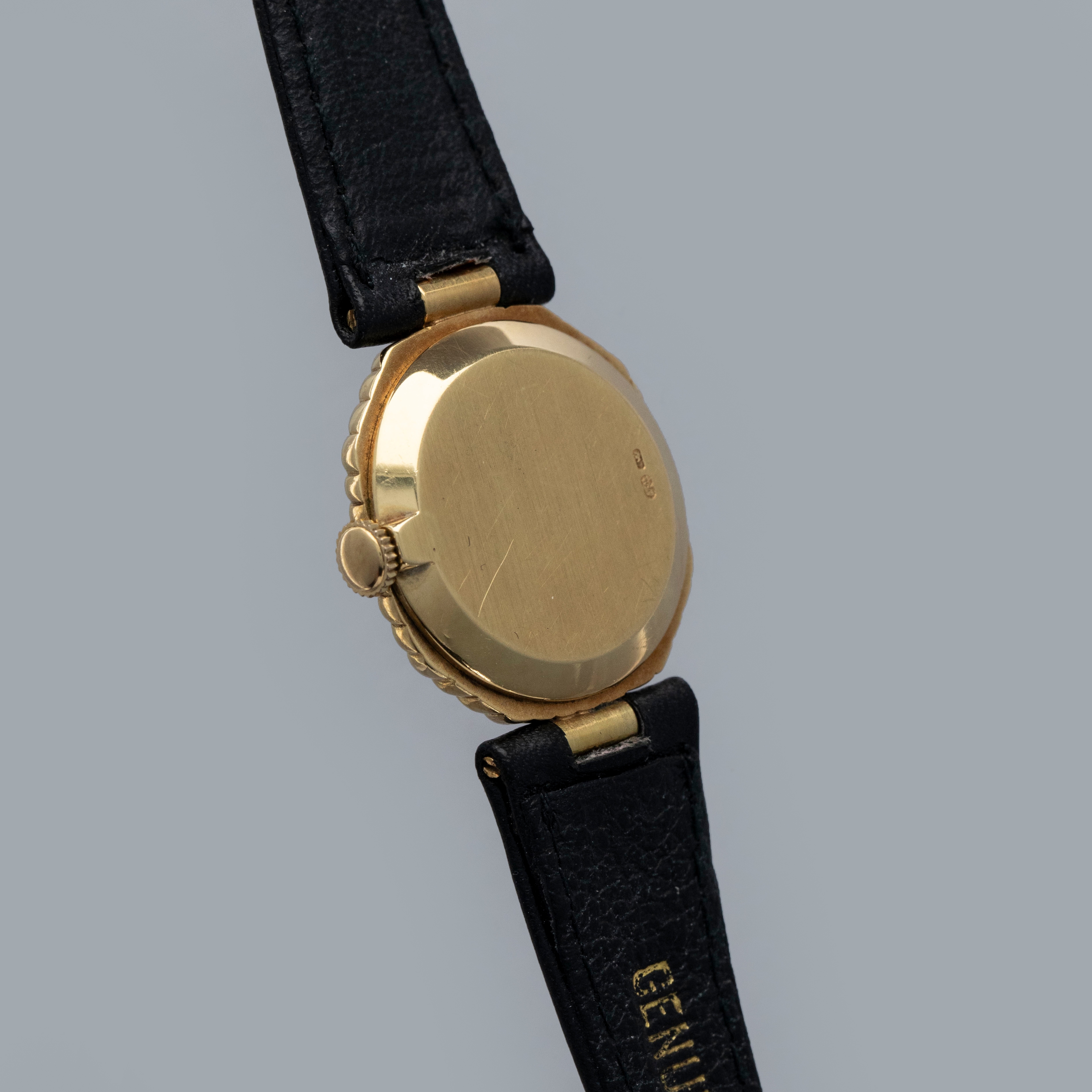
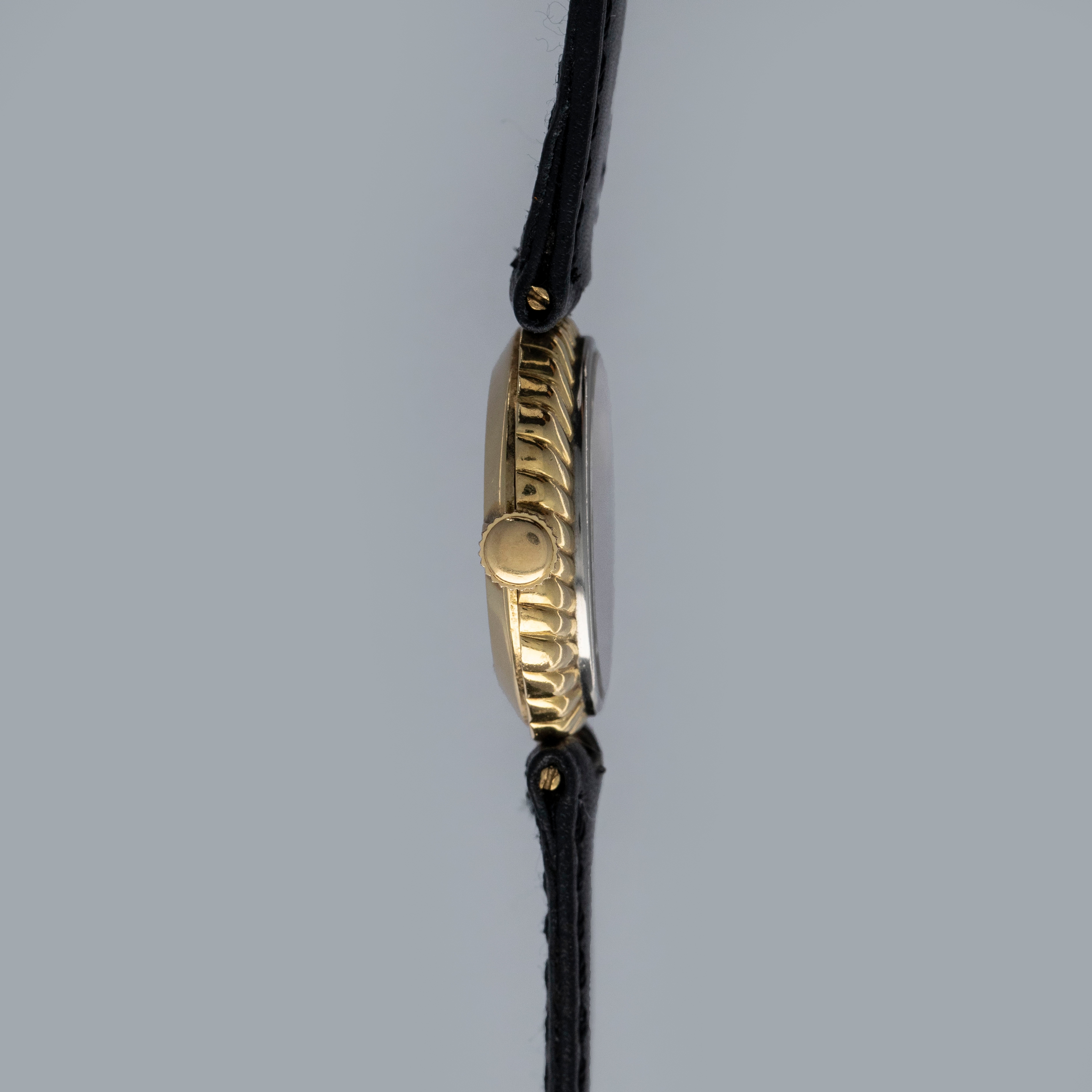
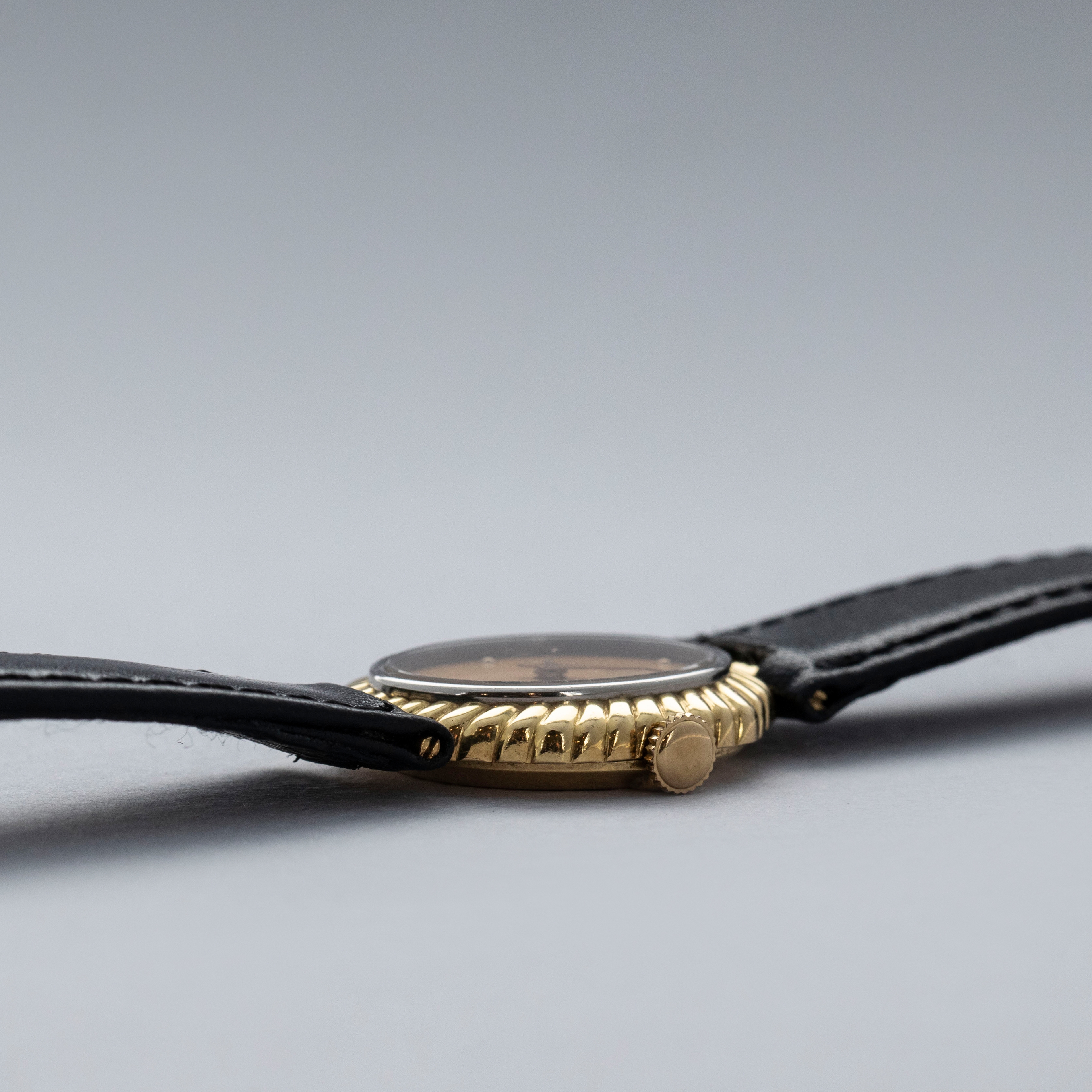
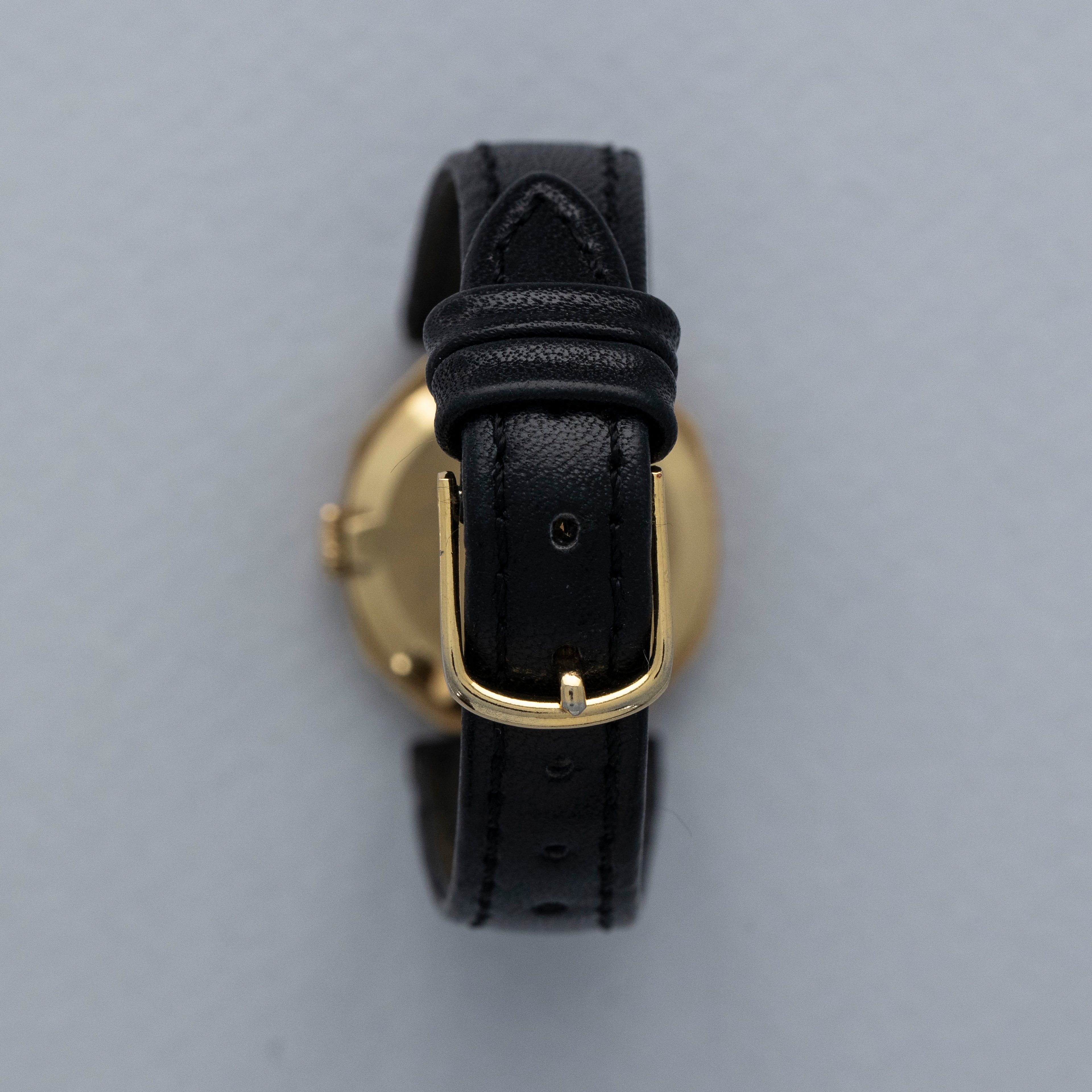
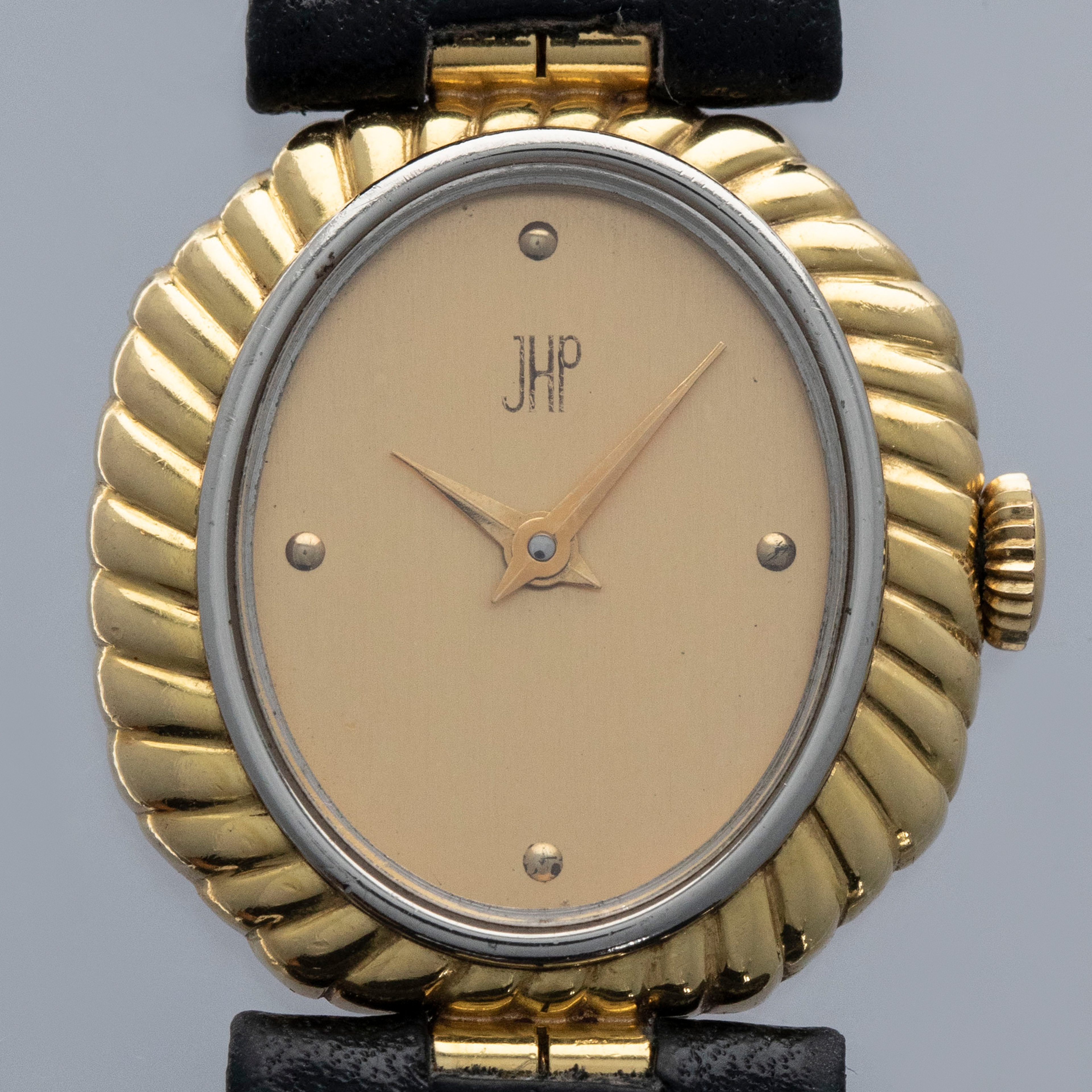
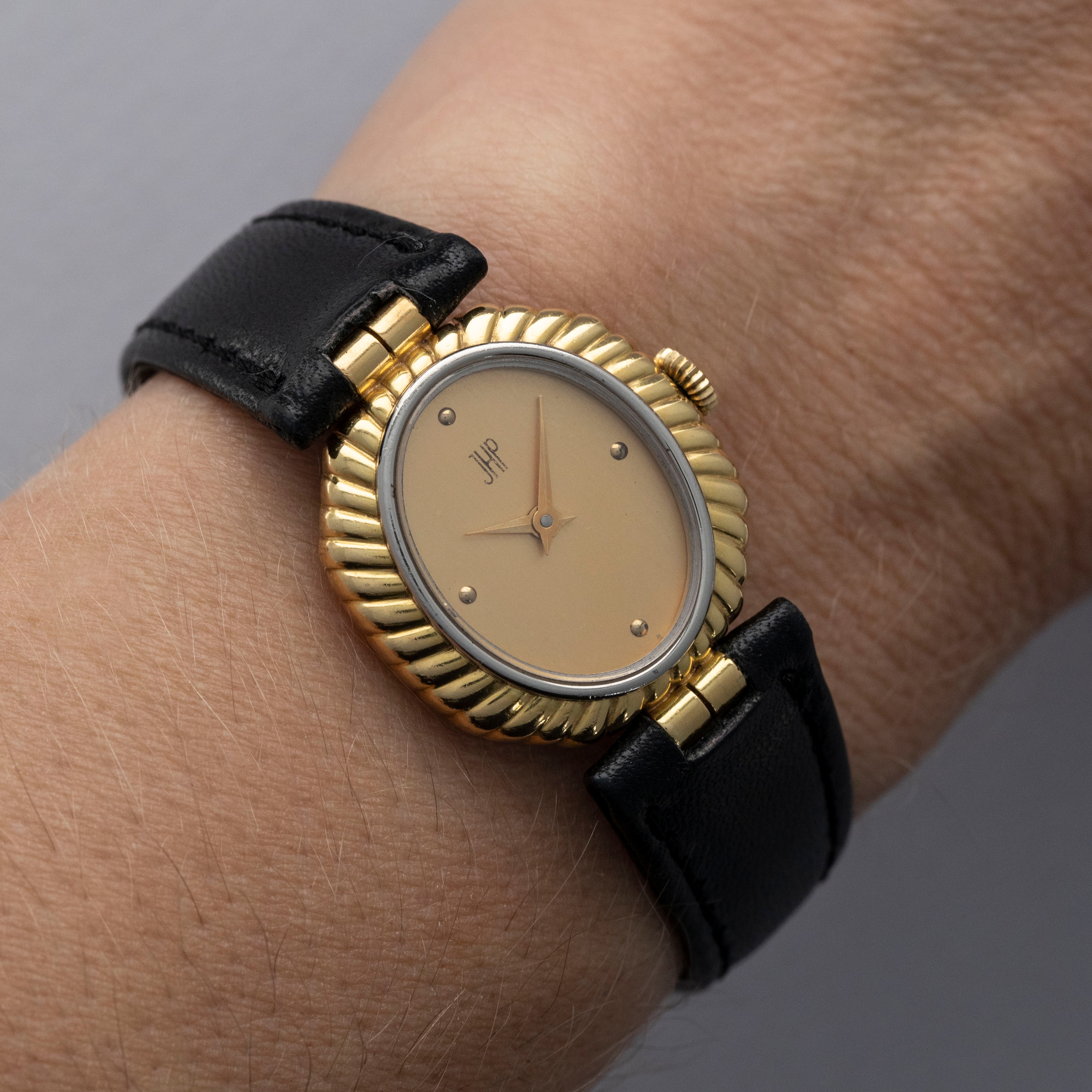
Offered here as a fascinating pair are two unique watches made under Hagmann’s own name. The first, dating to circa 1980, combines white and yellow gold in an unusual oval case surrounded by a highly distinctive rope-style bezel. The second, dating to circa 1990, takes a more jewellery-led approach, with a pink gold case framing a mother-of-pearl dial set with diamonds. Both are quartz powered, but their importance lies principally in their cases: rare examples of Hagmann applying his celebrated craft to watches bearing his own name rather than that of another manufacture.
Loupe This Scorecard
Grade
M 8.5
Status
Vetted & Approved
Included
Watches Only
Est. value range
$2,000 – $3,000
The Details
Brand
JHP
Dimensions
22.5mm × 30mm; 26mm
Model
Unique wristwatches
Movement
Quartz cal. 956.032; quartz Piguet cal. 6.20
Reference
N/A
Bracelet
Leather straps
Year
Circa 1980 and circa 1990
Condition
Excellent
Material
18K white and yellow gold; 18K pink gold
Included
Watches only
Dial Color
Champagne; mother-of-pearl with diamonds
THE DIALS
The earlier watch presents a restrained champagne dial signed JPH within its elongated oval case, allowing the unusual two-tone construction and rope-style bezel to dominate the design. Its circa 1990 companion is considerably more decorative, pairing a naturally iridescent mother-of-pearl dial with diamond setting to complement the warmth of its pink gold case.
THE CONSTRUCTION
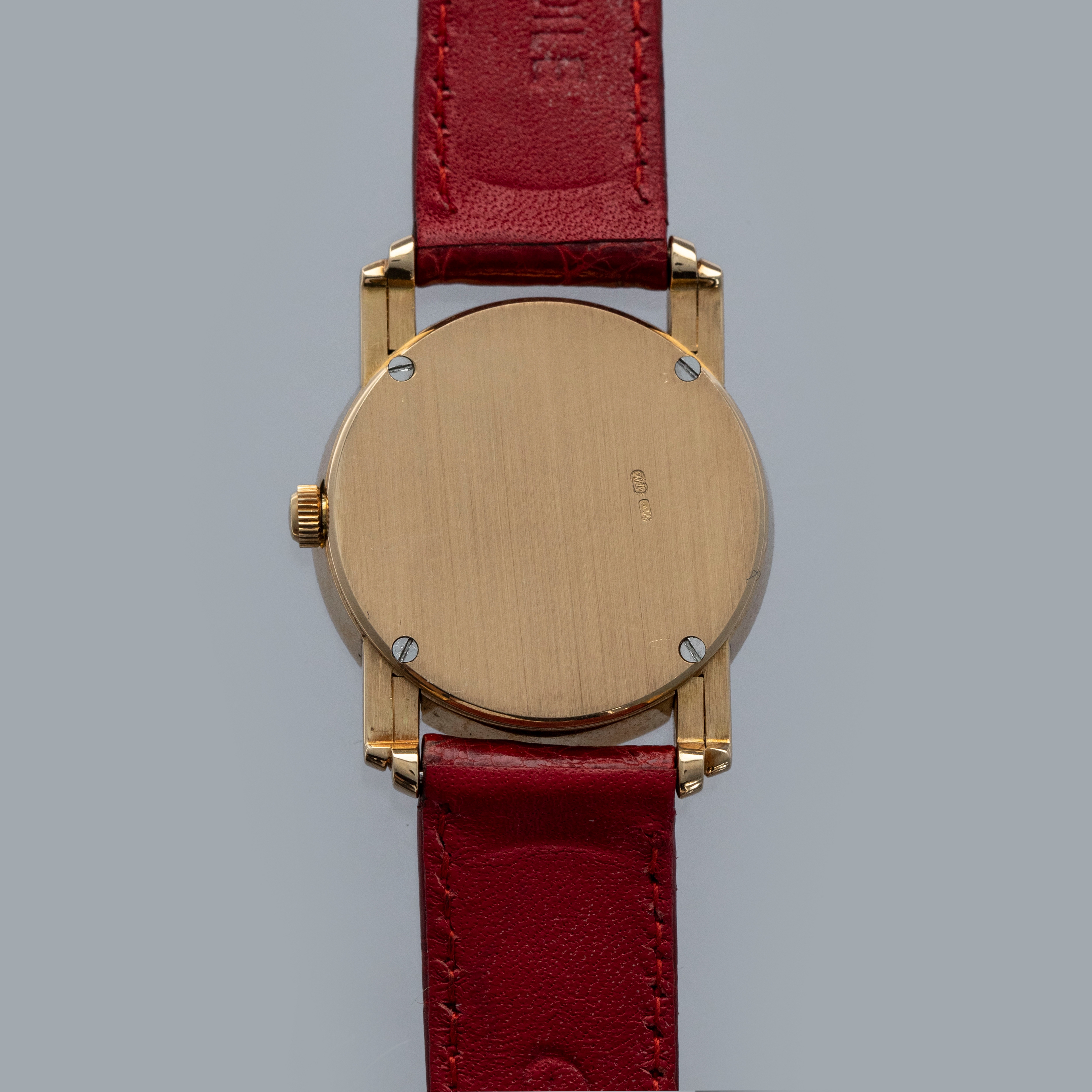
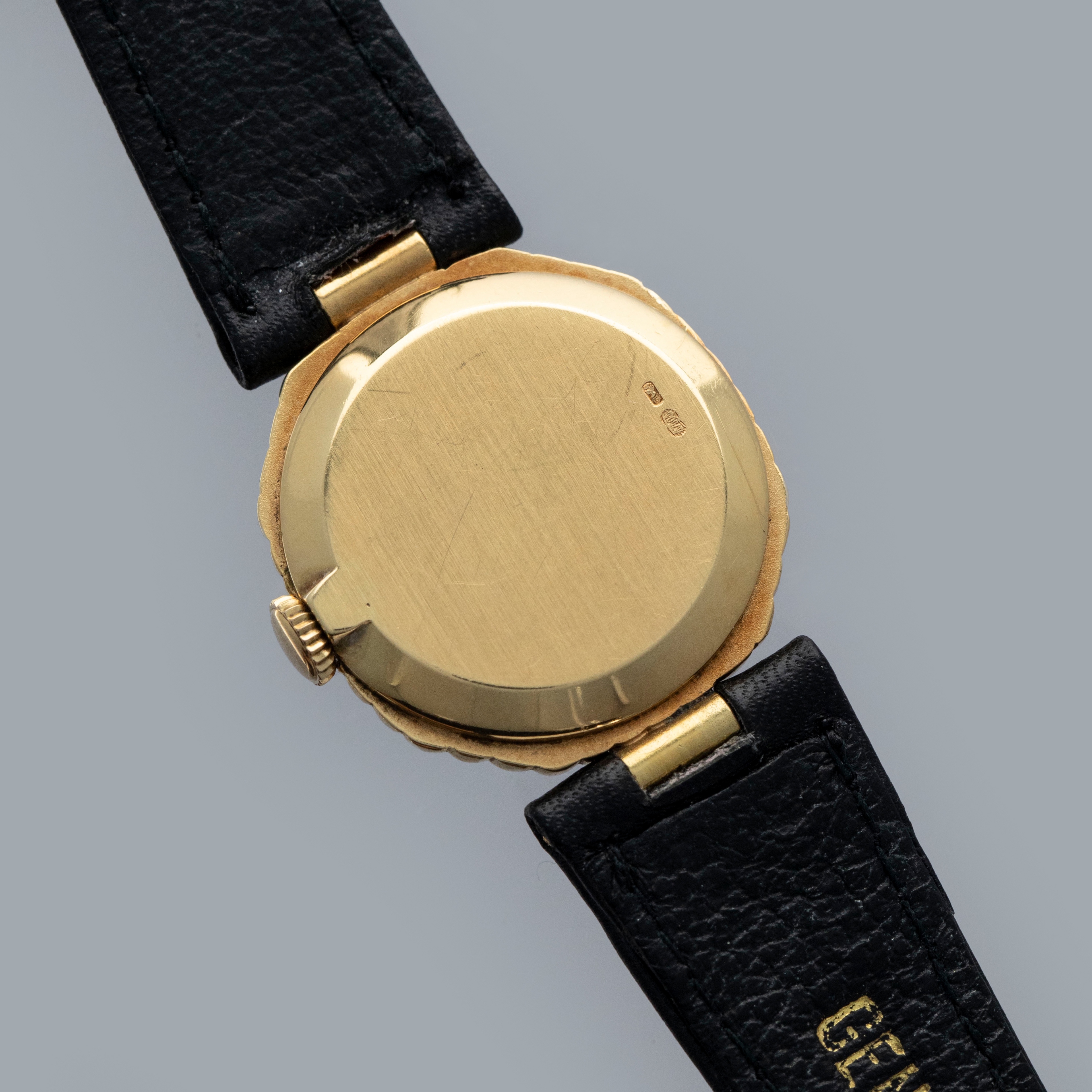
These watches are particularly compelling as direct examples of Jean-Pierre Hagmann’s work as a casemaker. The circa 1980 piece combines 18K white and yellow gold in an oval 22.5mm × 30mm case distinguished by its elaborate rope-style bezel, while the later watch uses a compact 26mm 18K pink gold case secured by four screws. Both cases are signed by Hagmann.
THE MOVEMENTS
The circa 1980 watch is powered by the seven-jewel quartz calibre 956.032, while the pink gold example houses the six-jewel Piguet calibre 6.20 quartz movement. Although mechanically straightforward, the movements allow the focus of both watches to remain firmly on Hagmann’s highly individual casework.
Condition
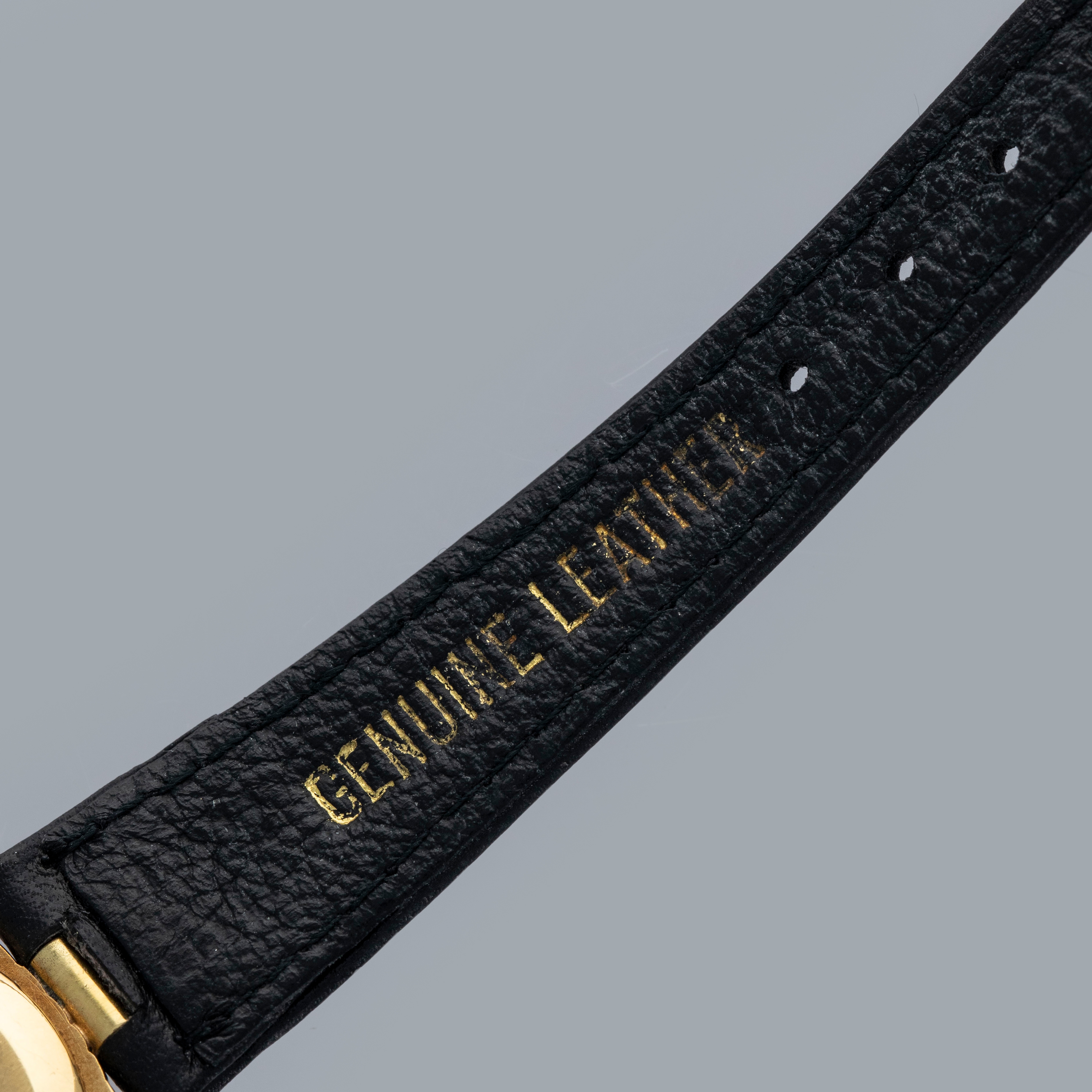
Watch one is in overall excellent condition. The 18K yellow gold case shows light surface scratches and small nicks, particularly to the rope-style bezel. The case back has surface scratches while retaining very well-defined hallmarks. The champagne dial, with pinball quarter-hour markers, shows some loss to the JHP signature, while the hands remain clean with light oxidation. It is fitted with a black leather strap and a gold-plated pin buckle.
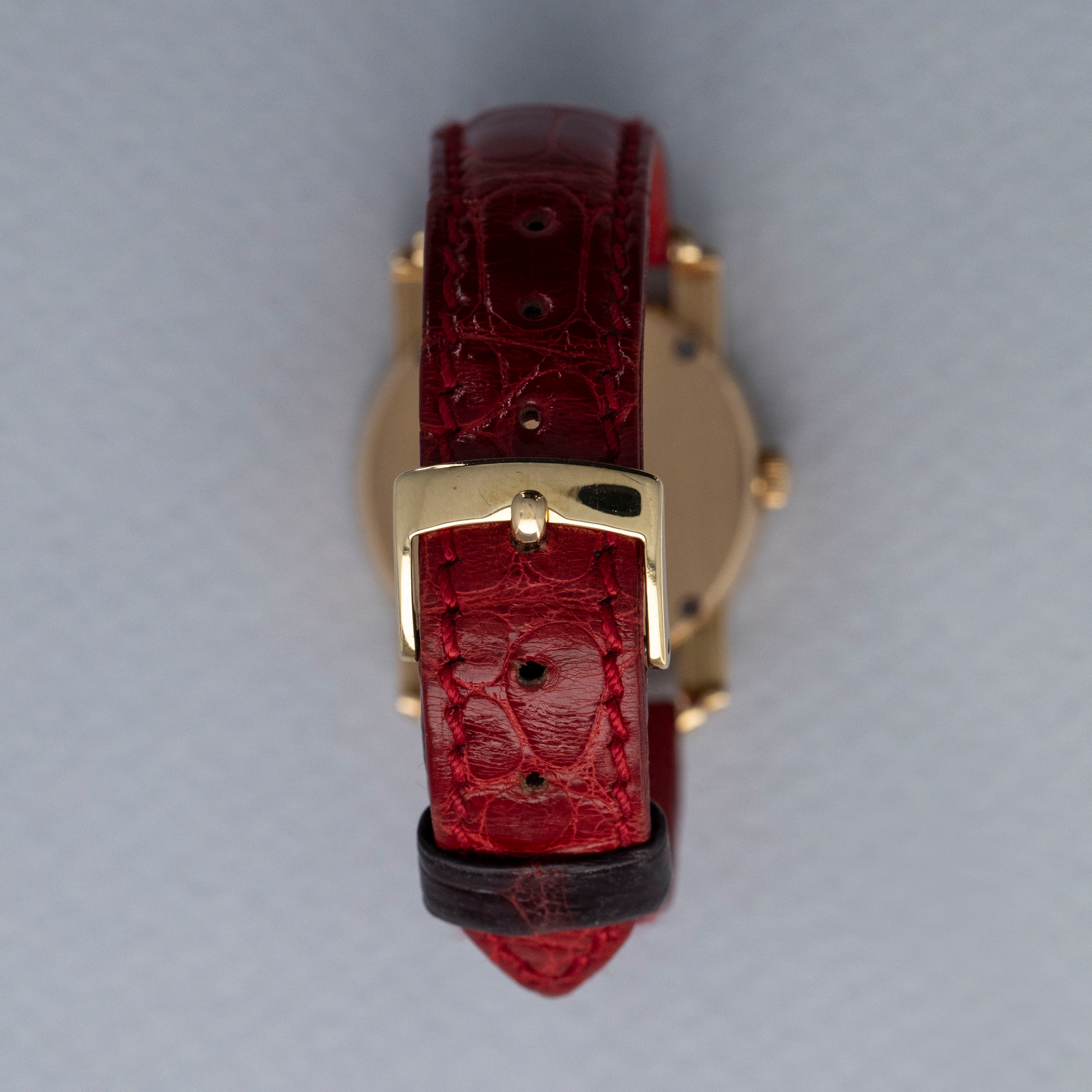
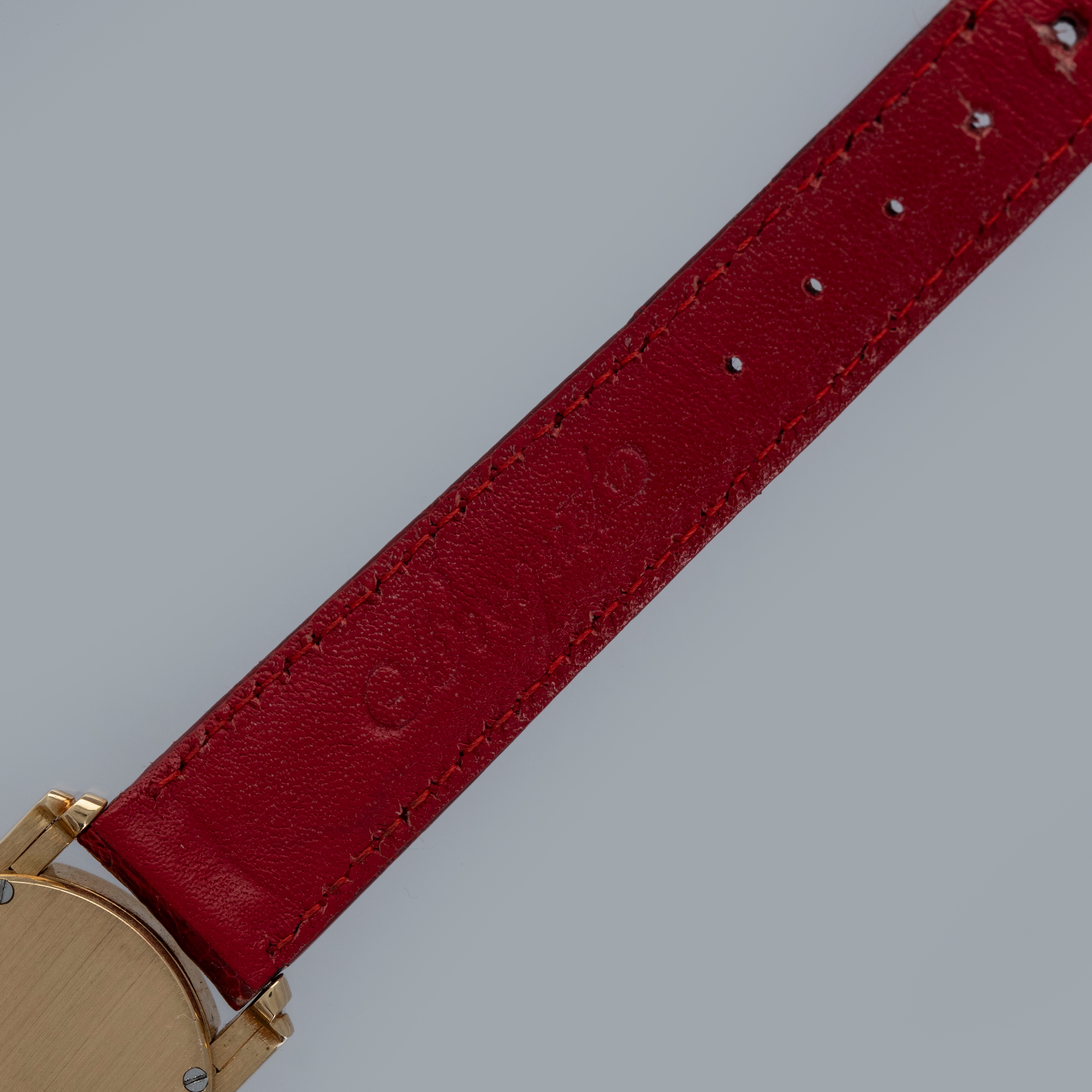
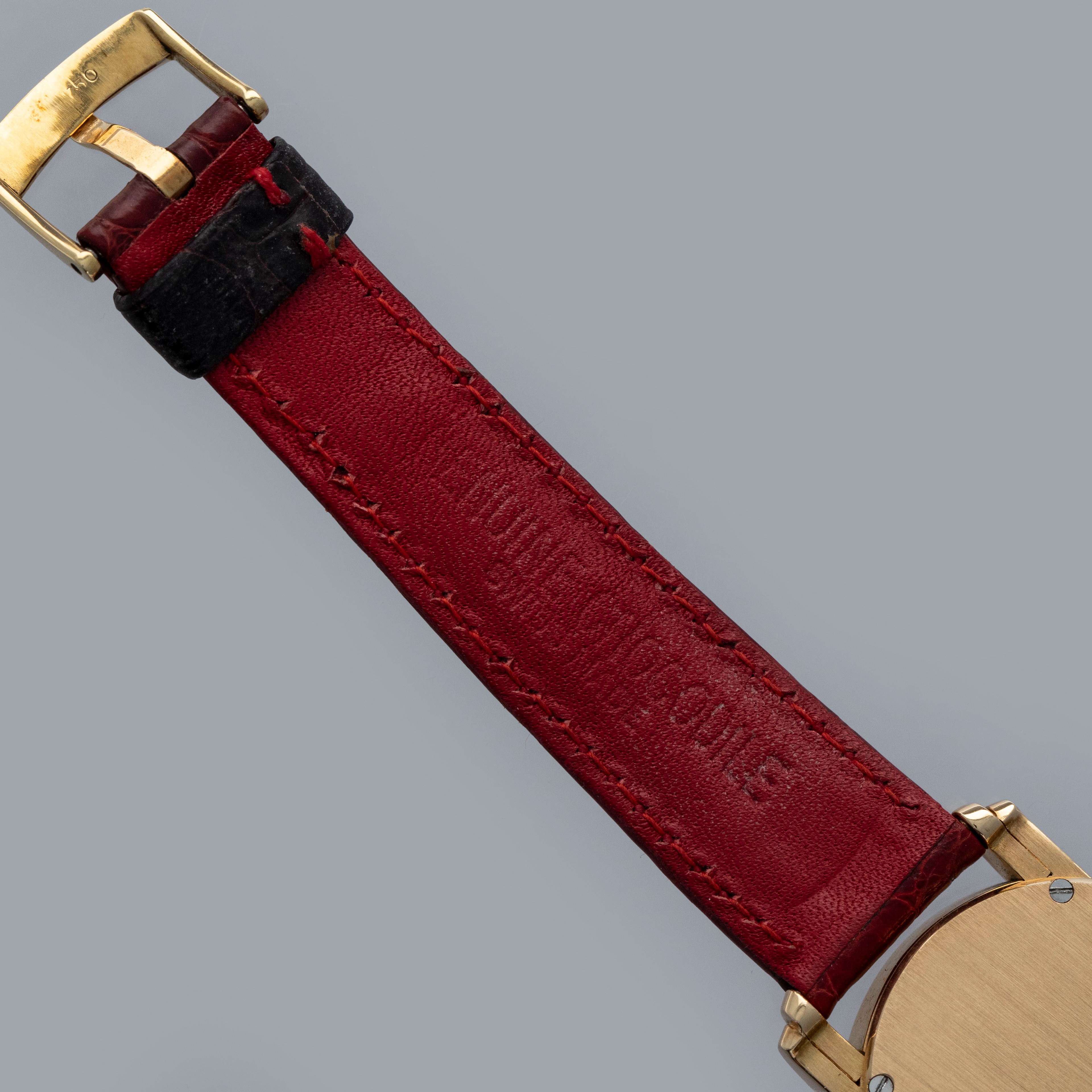
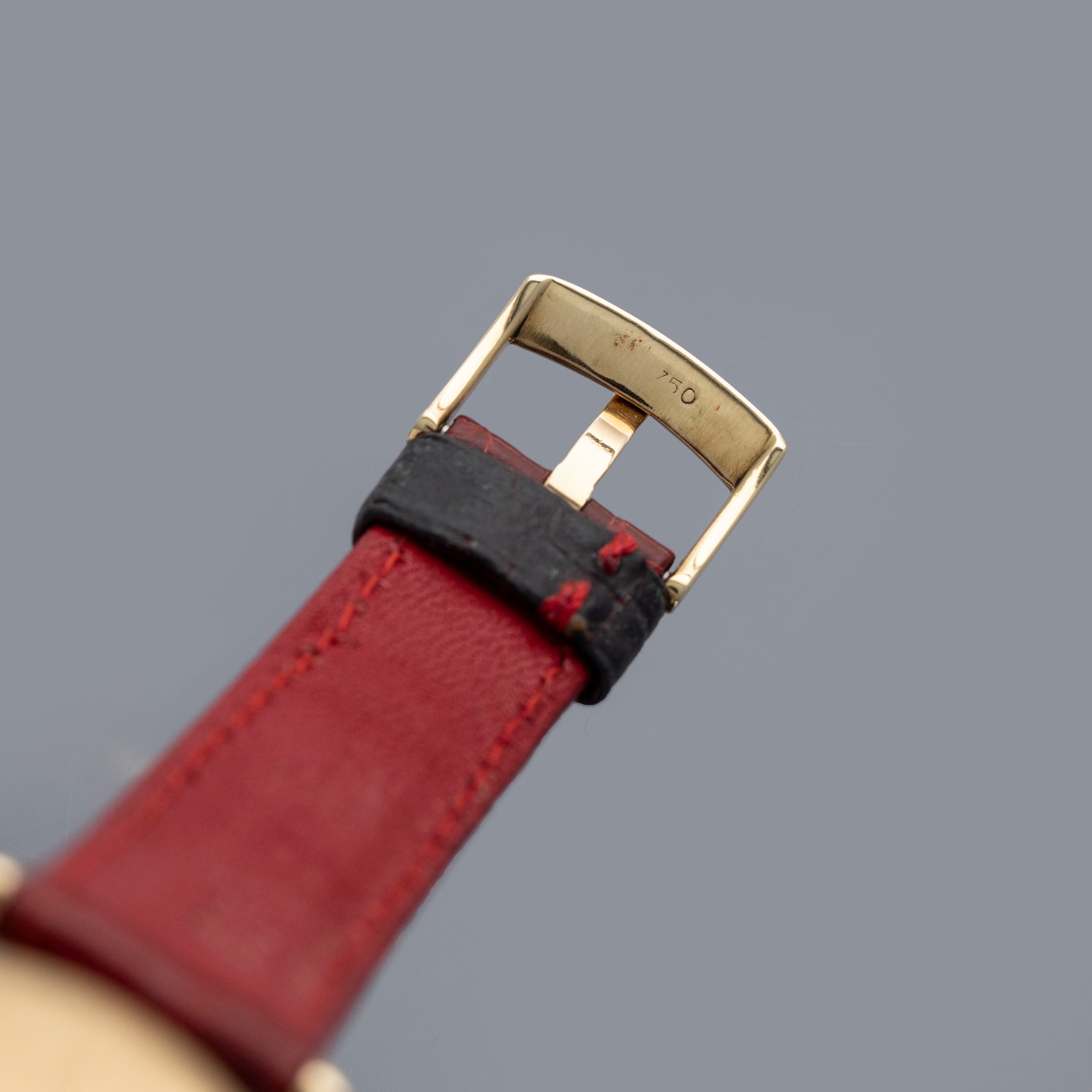
Watch two is in overall excellent condition. The 18K rose gold case shows light surface marks and scratches, with a few small nicks to the inner bezel. The screw-down case back retains its original brushed finish, with very well-defined engravings and light wear to the screw heads. The mother-of-pearl dial is in excellent condition, with a couple of light surface marks, diamond quarter-hour markers, and clean rose gold hands. It is fitted with a red leather strap and a gold-coloured pin buckle.

Our Perspective
Jean-Pierre Hagmann is best known to collectors through the initials stamped inside cases made for some of Switzerland’s greatest manufactures, making watches actually bearing his own name an altogether different proposition. Offered together, these two unique pieces provide an unusually intimate look at Hagmann’s personal work across two very different styles, from the eccentric two-tone rope-bezel watch of circa 1980 to the diamond-set pink gold example of the following decade.


John Reardon
Collectability.com
