Lot #5256
Patek Philippe Perpetual Calendar 3940J Second Series 18K YG Box and Papers

How do I bid? Start here
Introduction
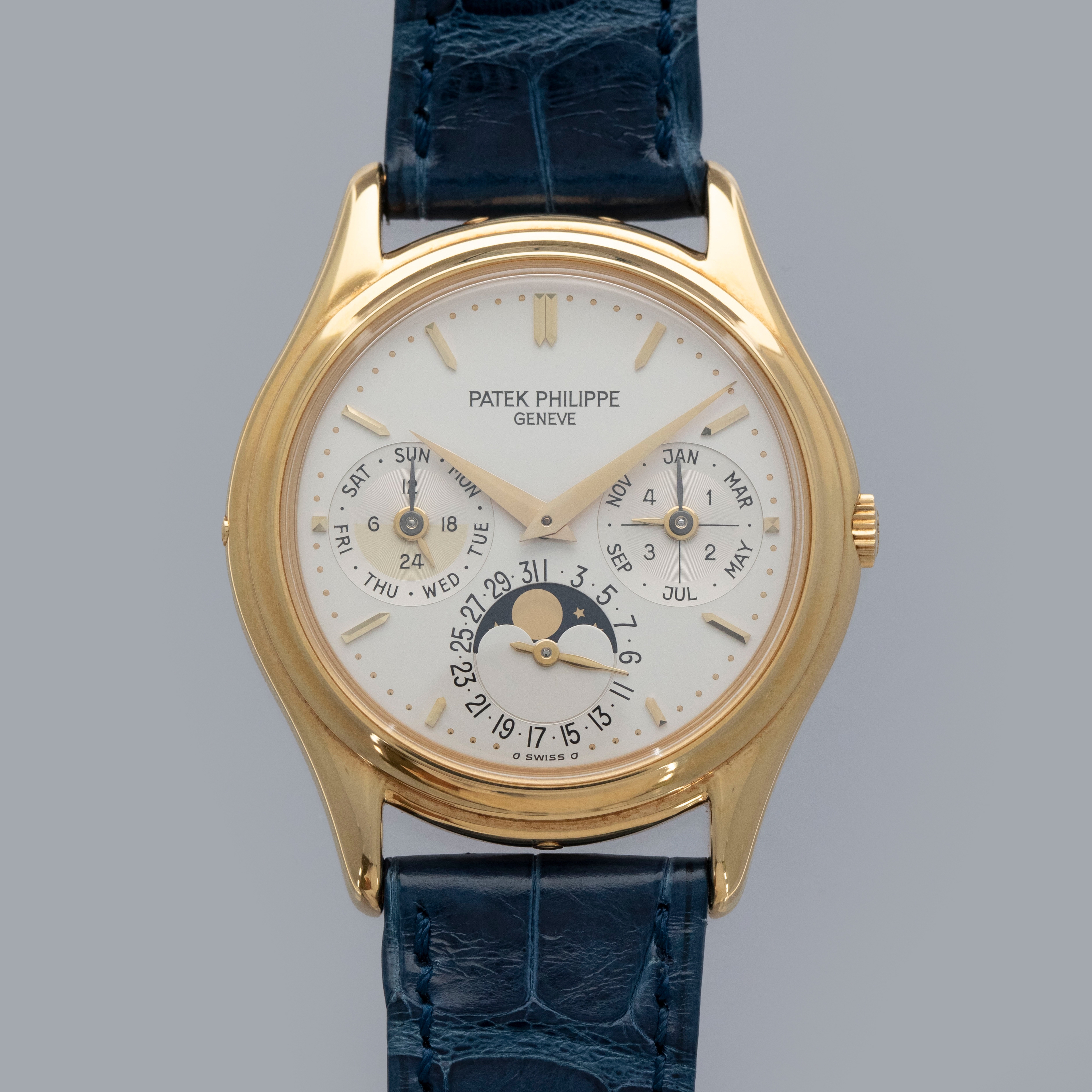
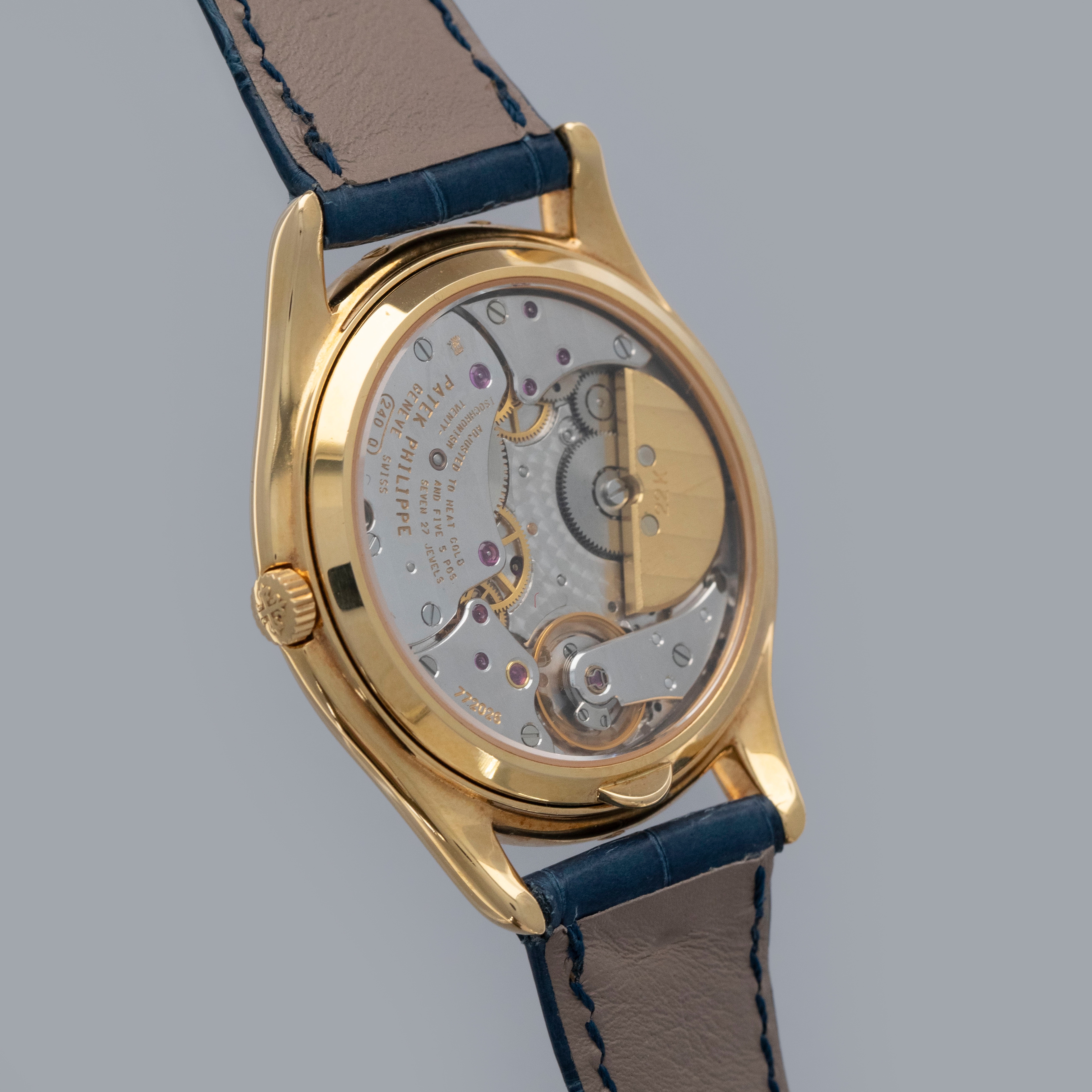
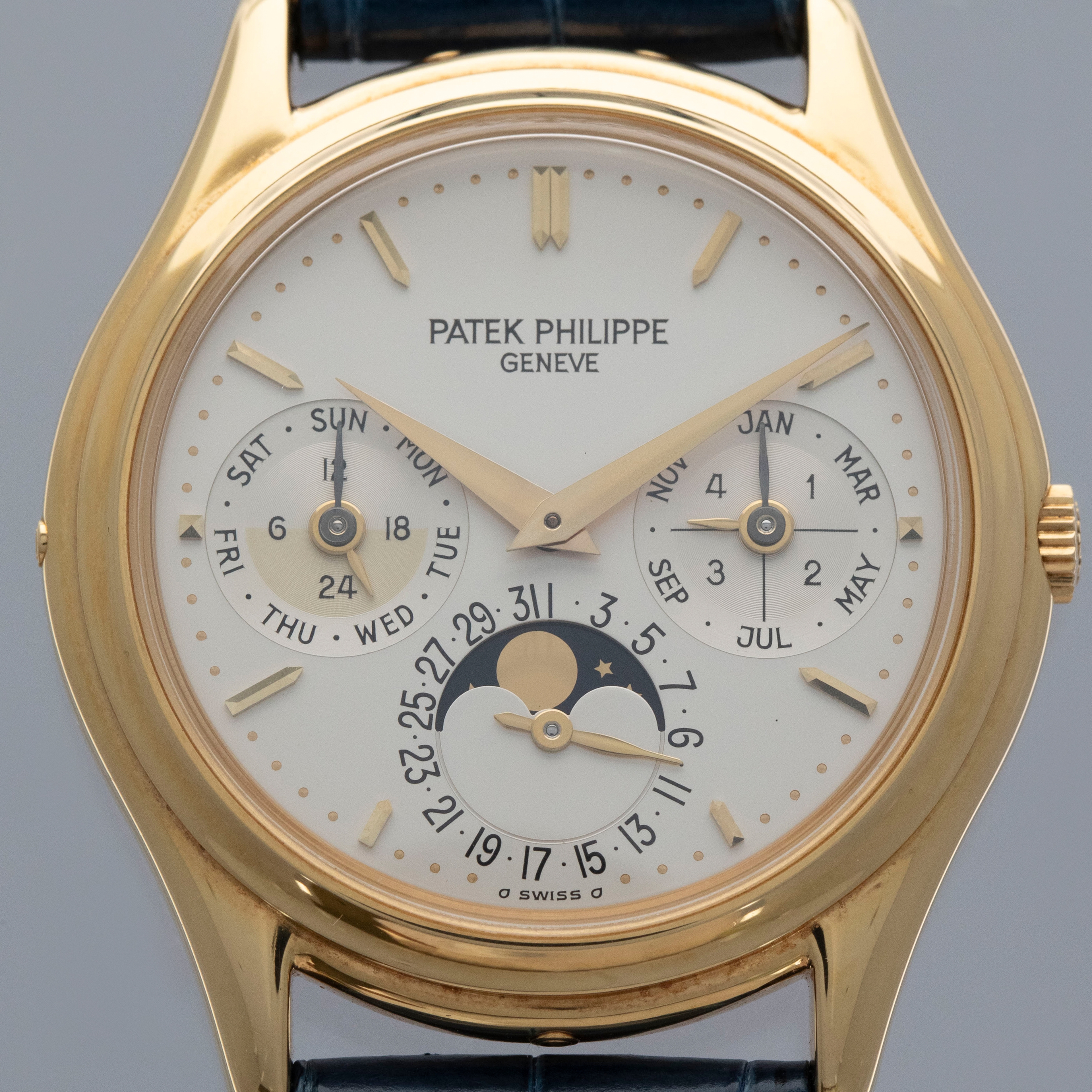
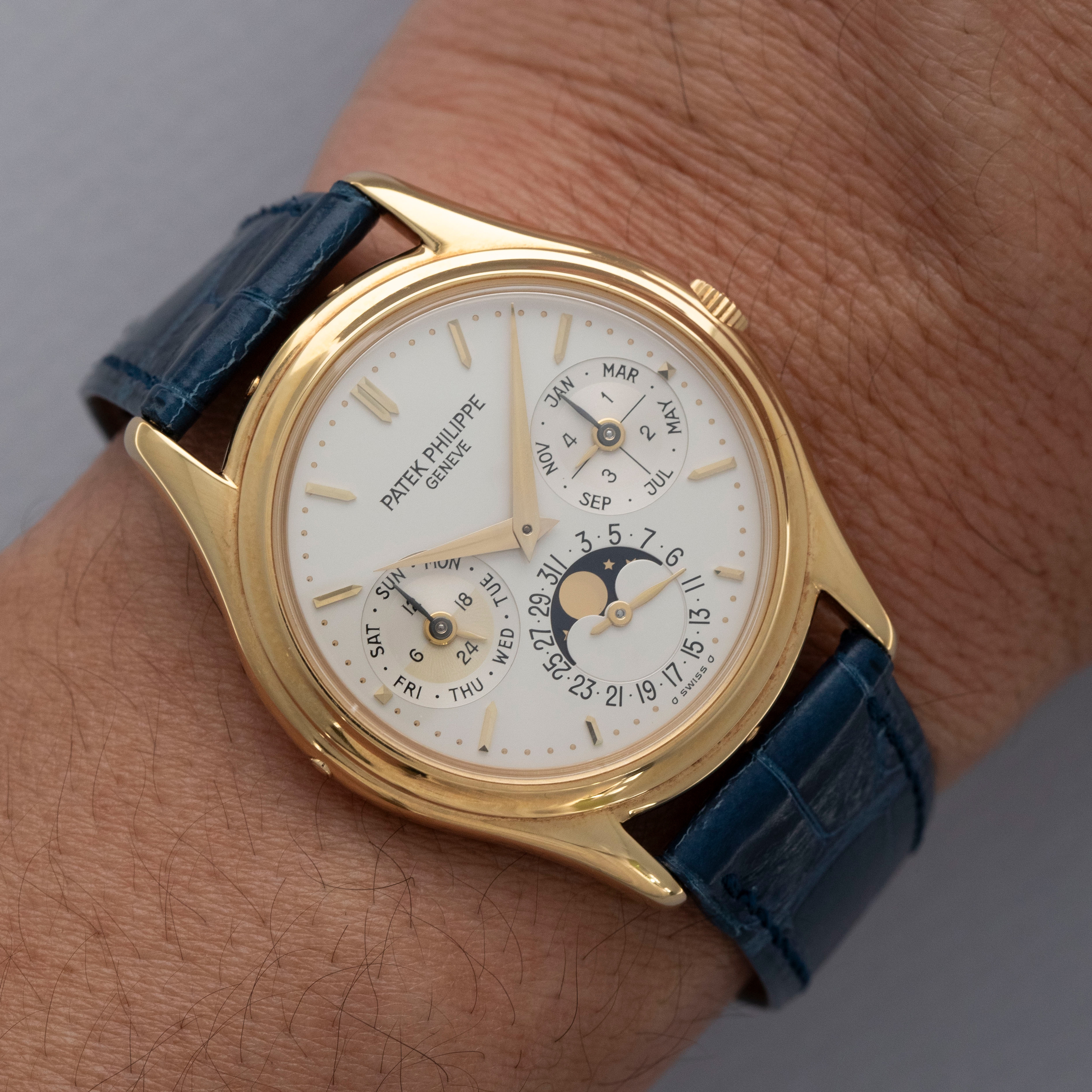
Introduced in 1985, the Patek Philippe ref. 3940 has become one of the defining perpetual calendars of the manufacture's modern era. Its importance lies in the combination of an exceptionally compact 36mm case with the automatic micro-rotor calibre 240 Q, allowing a highly complicated calendar to retain the proportions and elegance of a traditional dress watch. The three-register dial displays an extraordinary amount of information with remarkable clarity: day and 24-hour indication at nine, month and leap-year cycle at three, and date with moonphase at six. The reference would remain in production for almost two decades, evolving through several distinct series that are now closely studied by collectors.
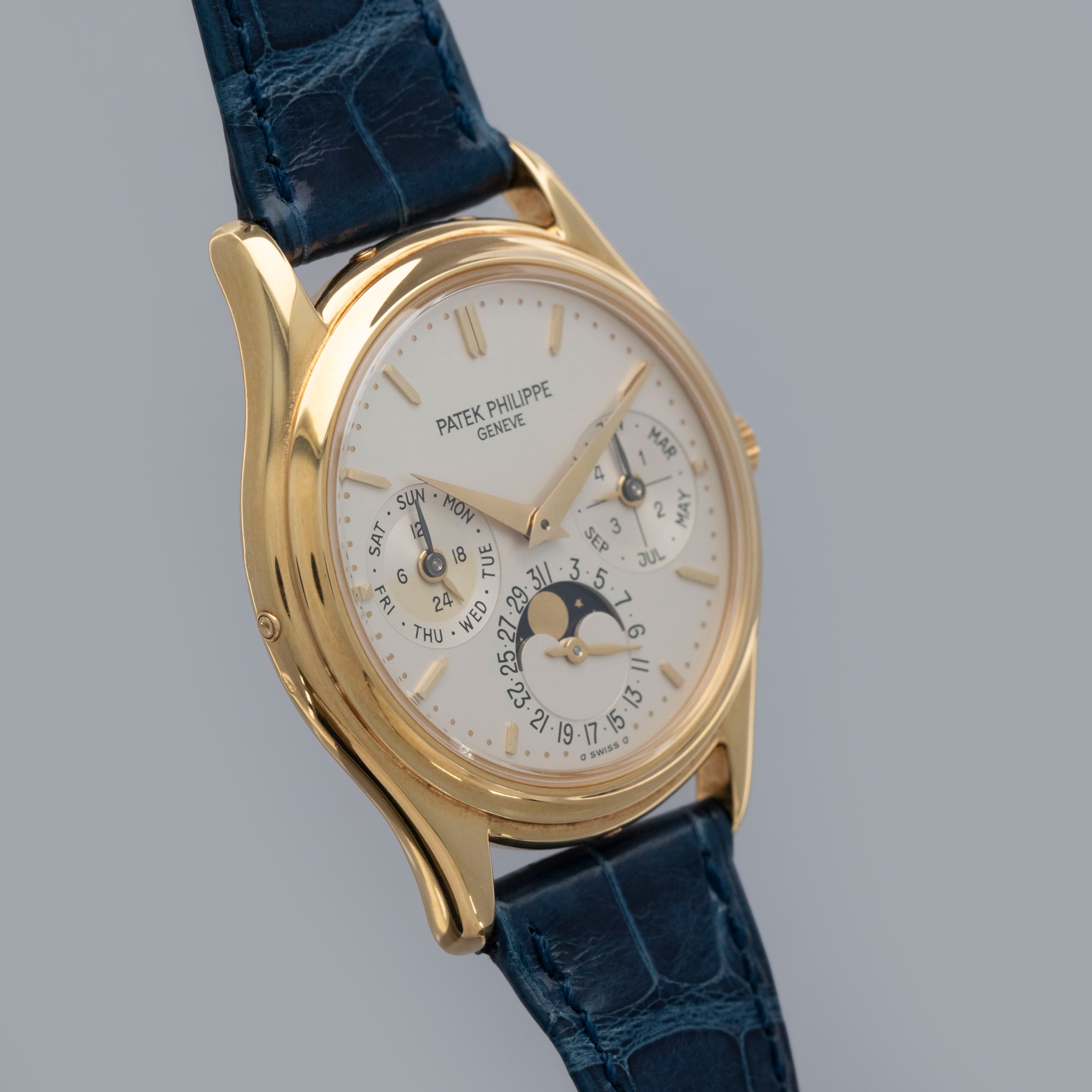
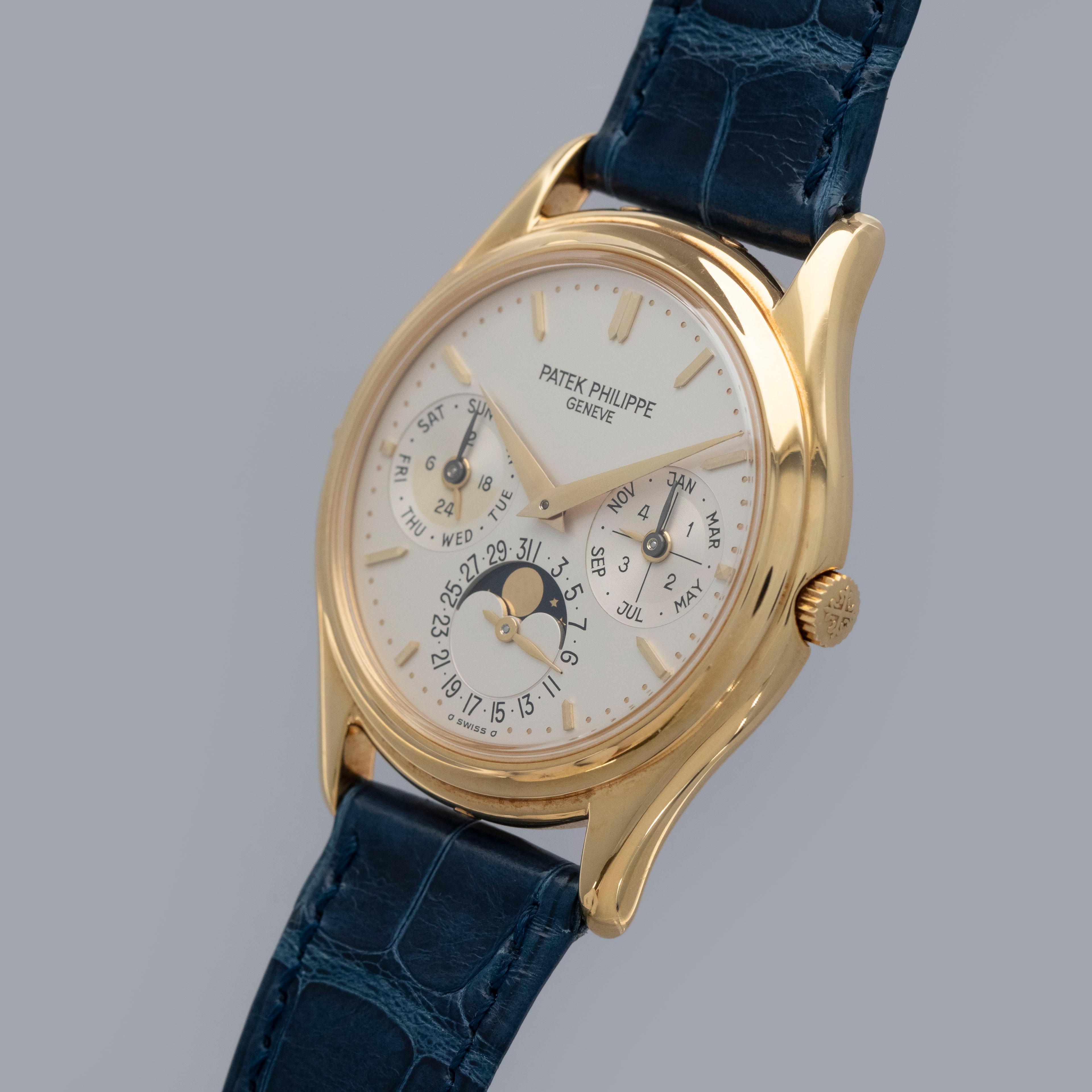
This 18K yellow gold example belongs to the Second Series, identifiable through a combination of subtle but important details. Most notably, the leap-year register at three features the characteristic cross hairs dividing its four quadrants, while the typography of the subsidiary dials retains the earlier serif style. The low-positioned sigma marks sit beneath the outer minute track, another useful distinction from later production, while hallmark placement provides further evidence when assessing the evolution of Second Series cases. These details make the watch more than simply a ref. 3940J but rather they place it within a specific chapter in the development of one of Patek Philippe's most important modern perpetual calendars.
Loupe This Scorecard
Grade
M 9
Status
Vetted & Approved
Included
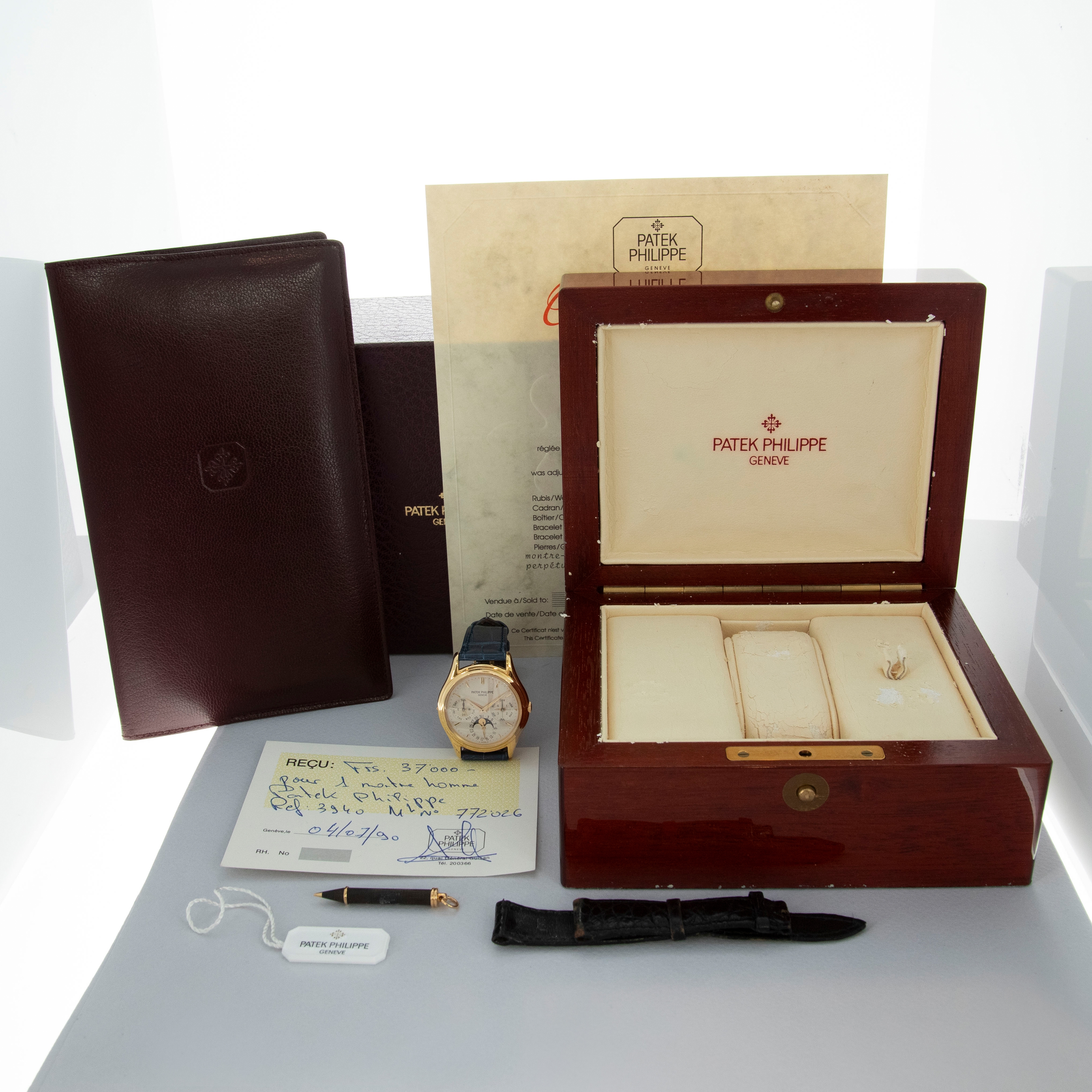
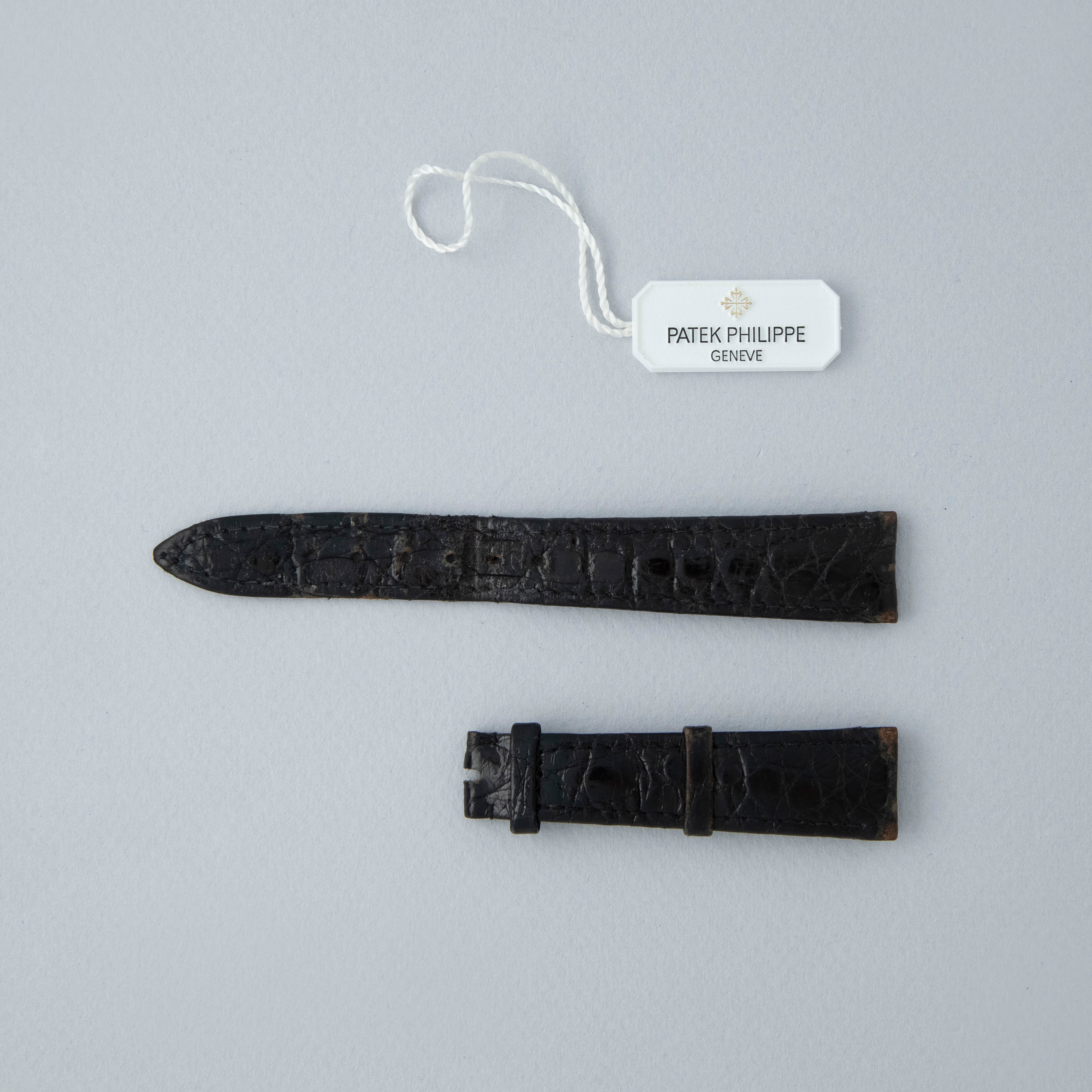
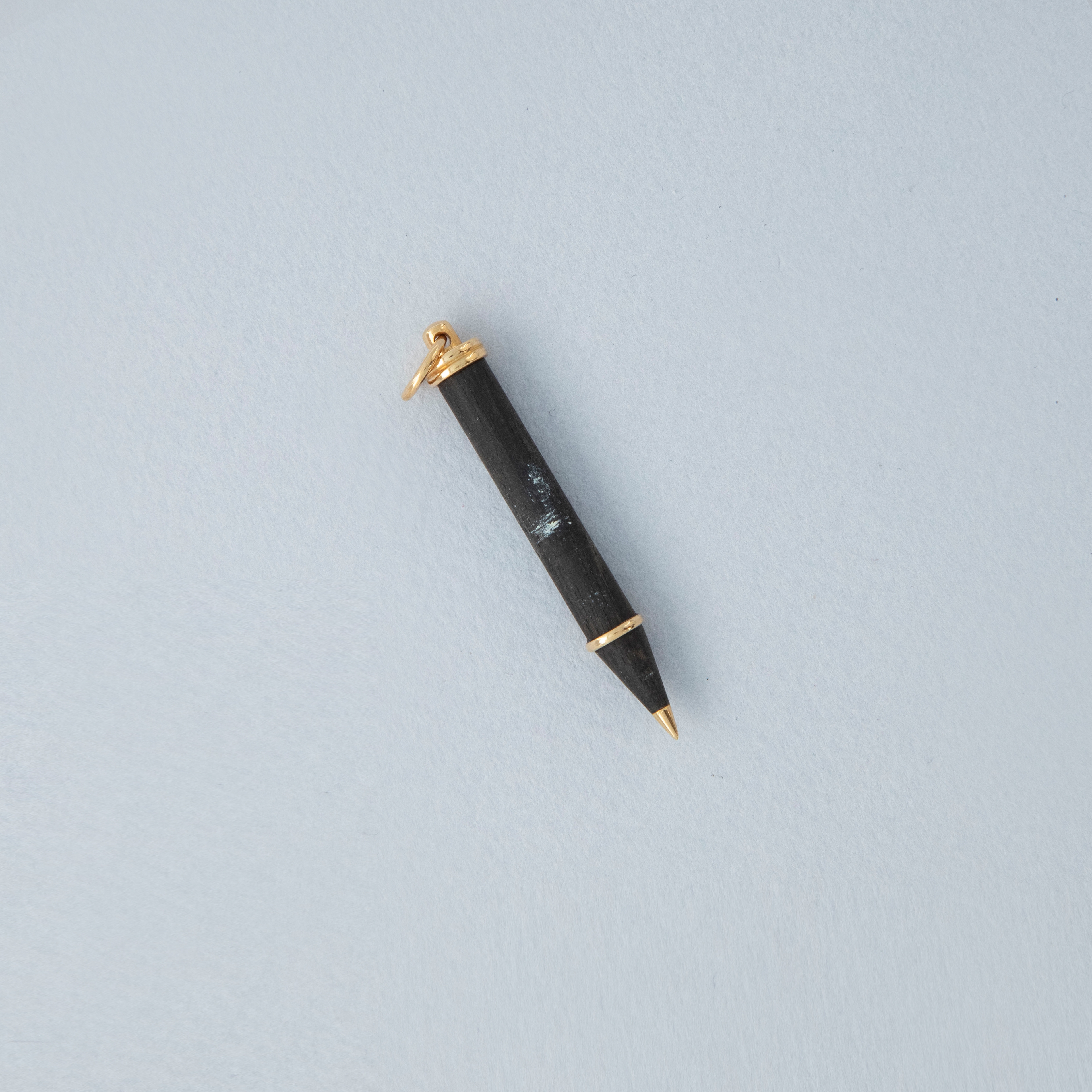
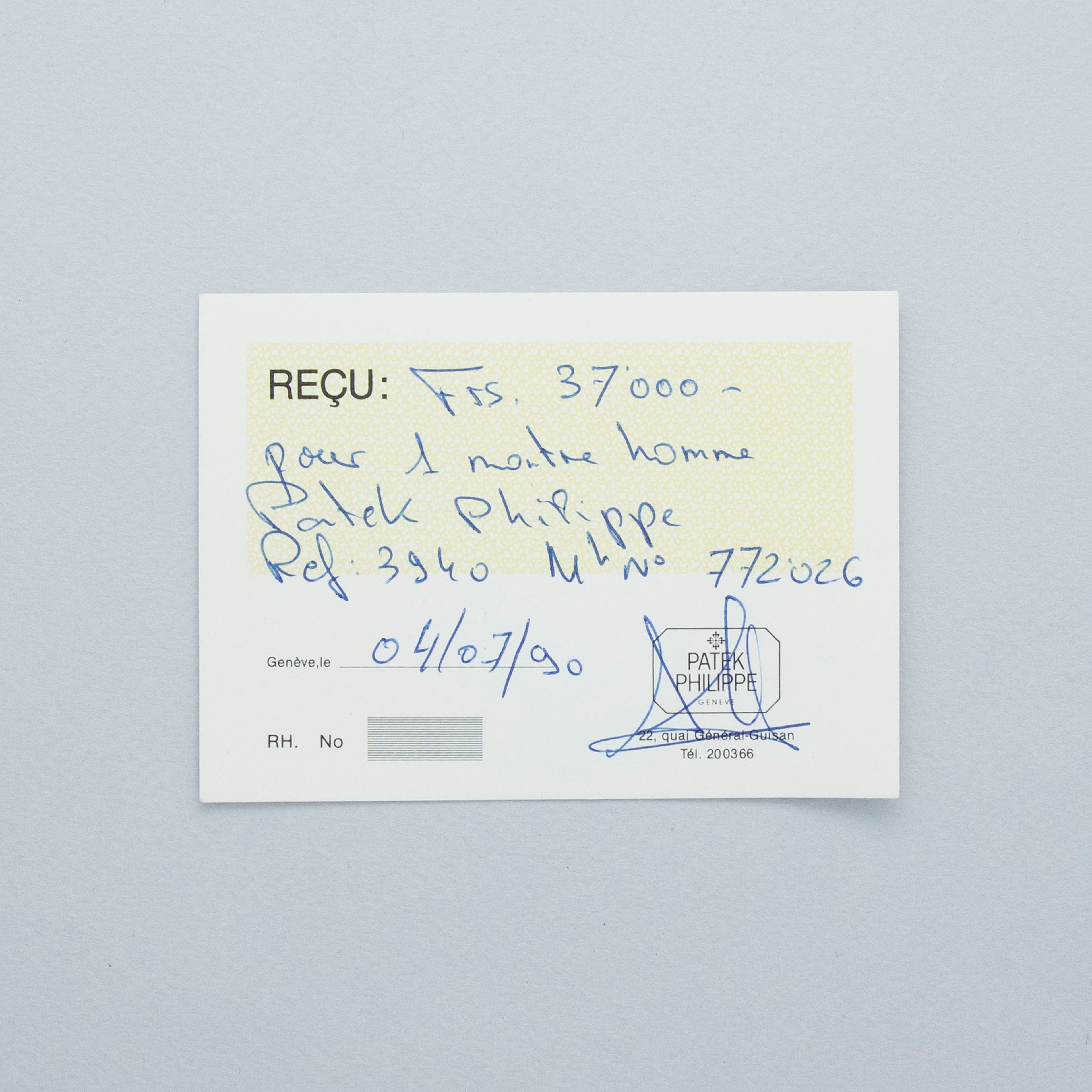
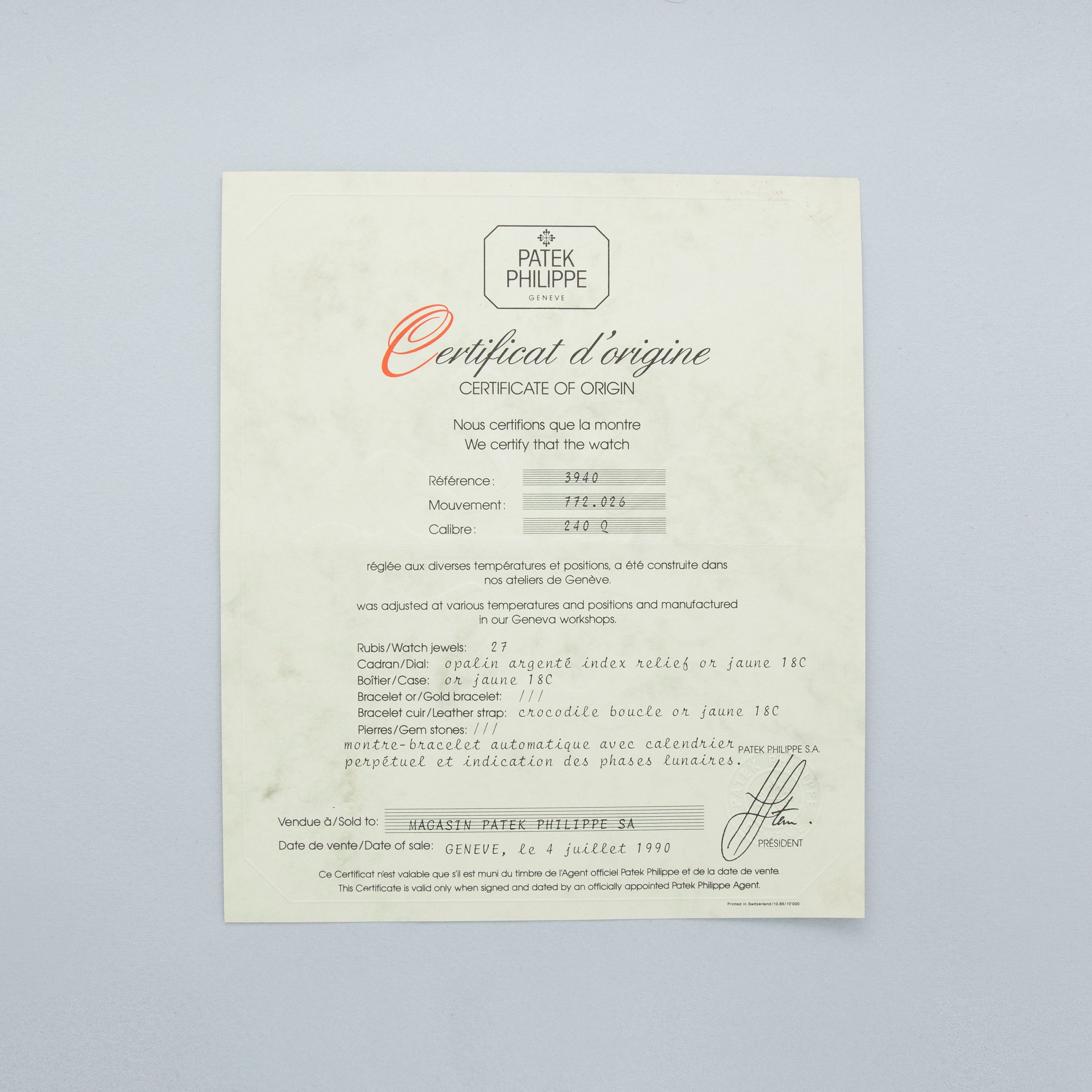
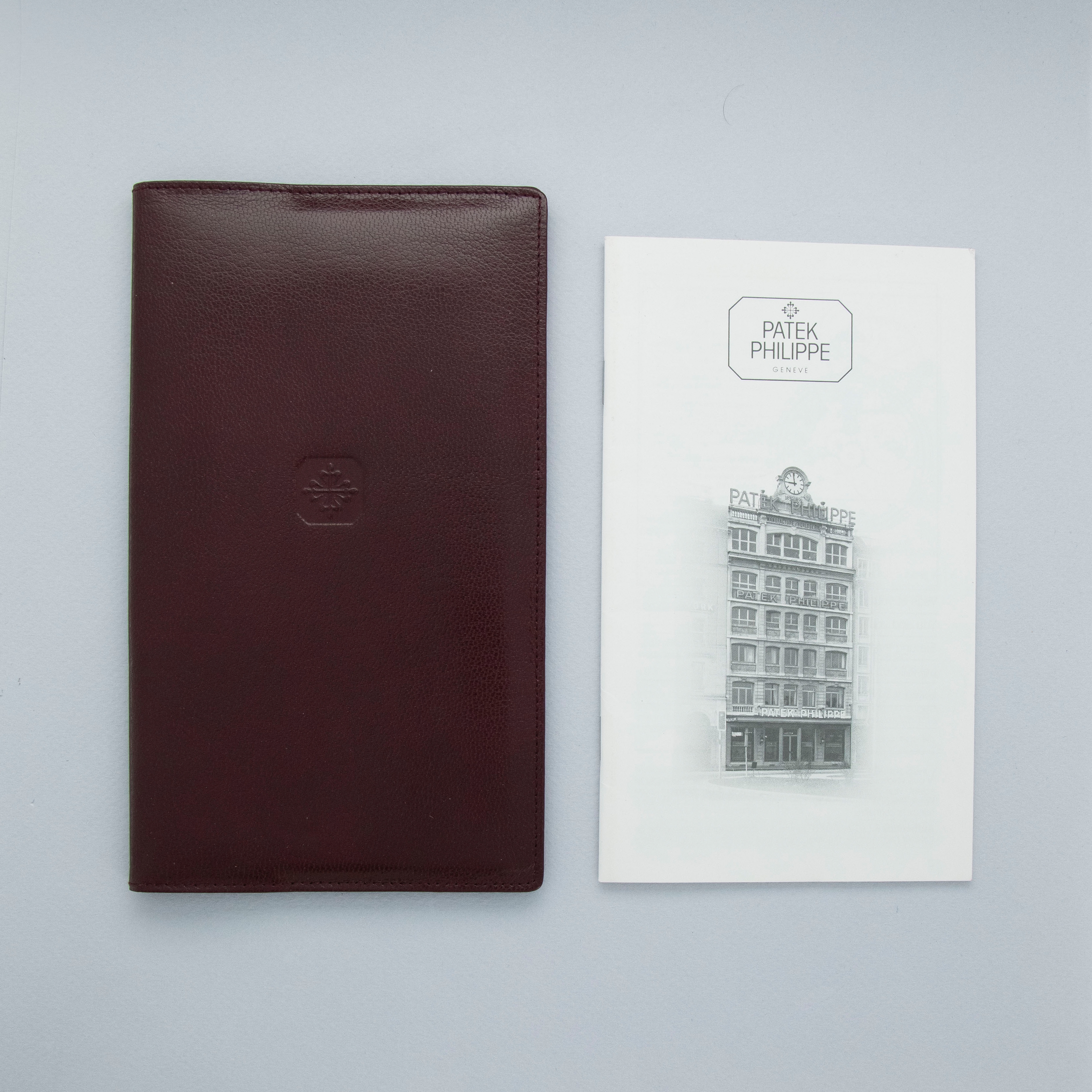
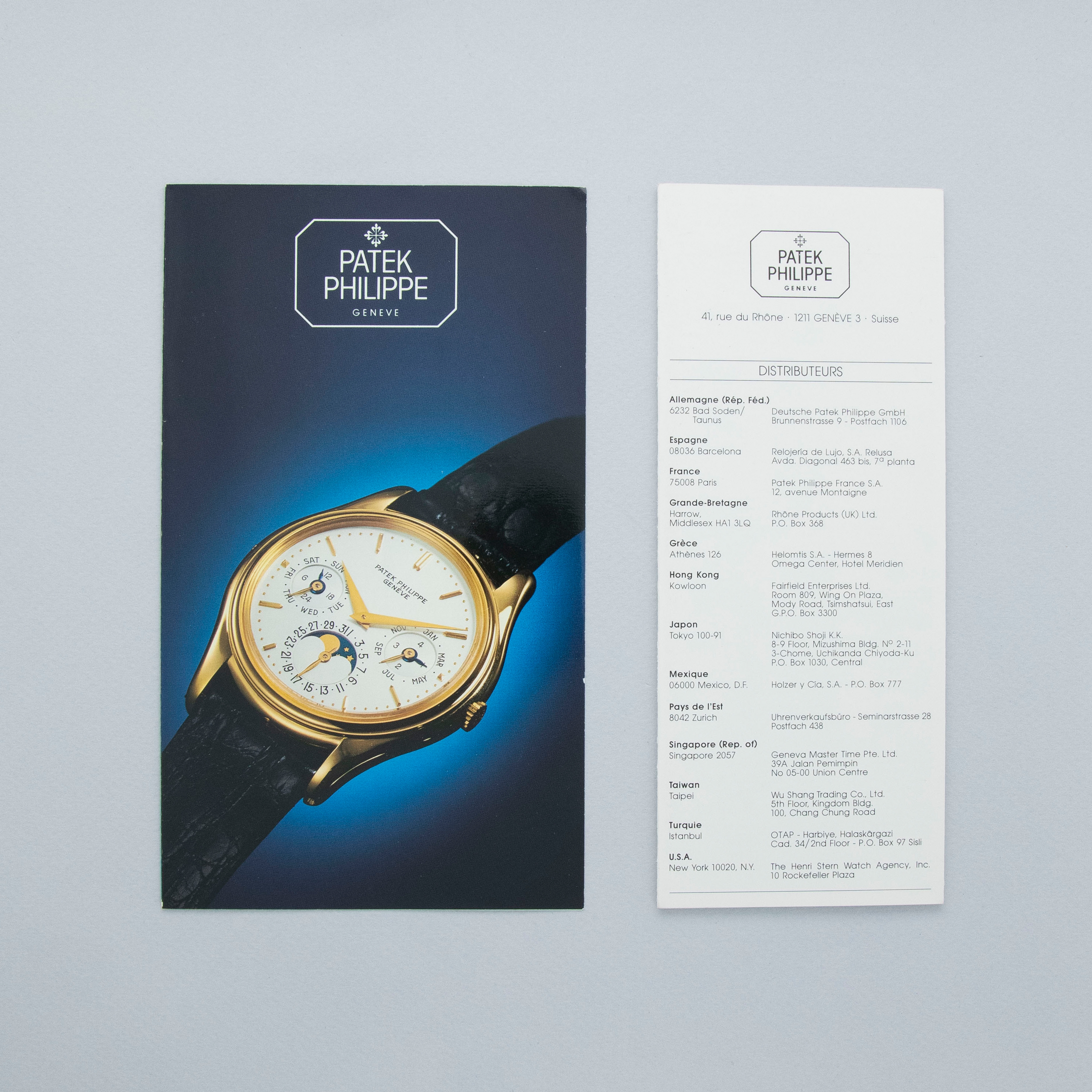
Box, certificate, booklets, document holder, receipt, hangtag and setting pin
Est. value range
$50,000 – $80,000
The Details
Brand
Patek Philippe
Dimensions
36mm
Model
Perpetual Calendar
Movement
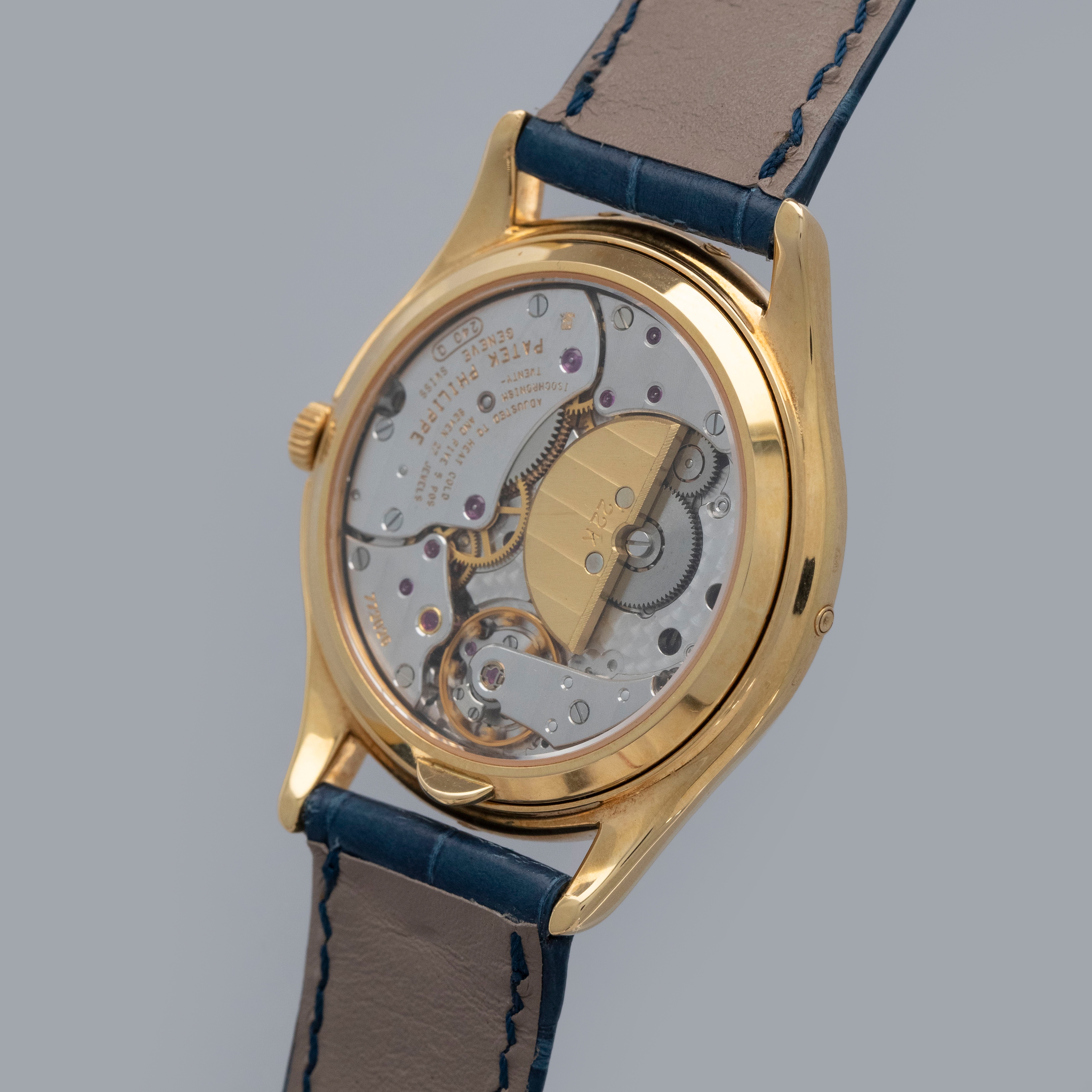
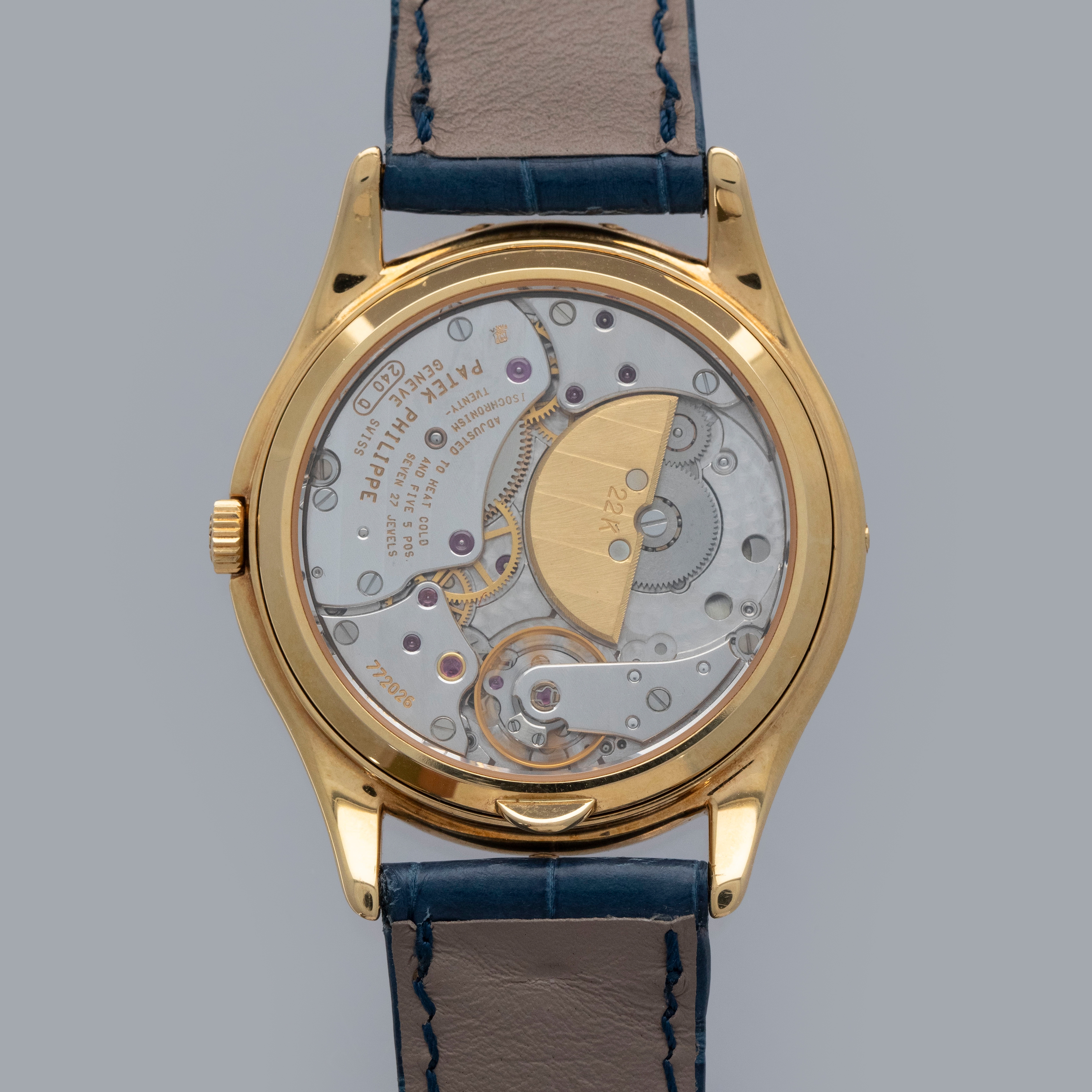
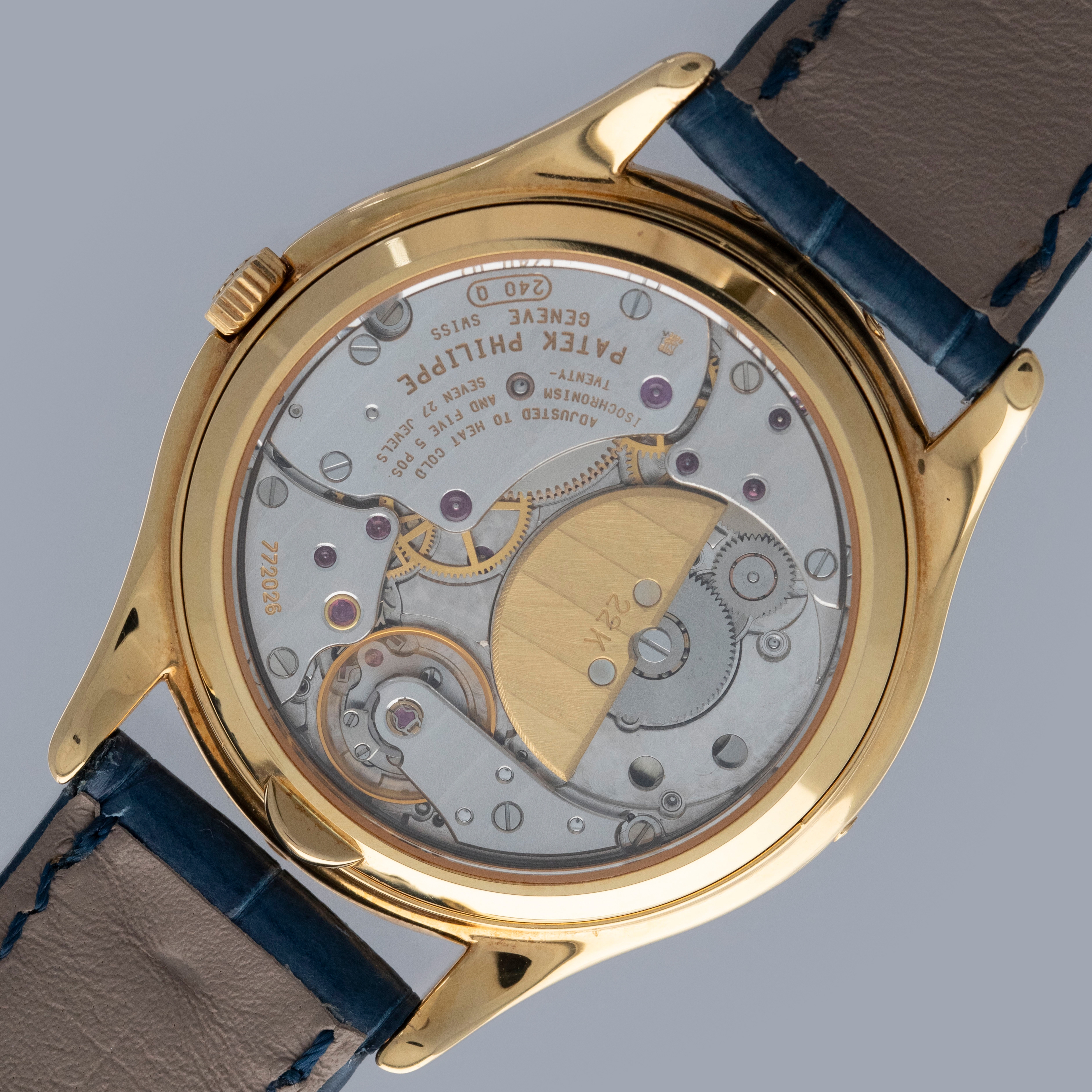
Automatic Patek Philippe calibre 240 Q
Reference
3940J
Bracelet
Leather strap
Year
1990
Condition
Near mint
Material
18K Yellow Gold
Included
Box, certificate, booklets, document holder, receipt, hangtag and setting pin
Dial Color
Silver
THE DIAL
The silver dial is characteristic of the Second Series, with serif typography throughout the subsidiary registers and sigma marks positioned below the outer track. Particularly important are the cross hairs dividing the leap-year indicator at three o'clock, a feature associated with later Second Series production and one that can cause these watches to be mistaken for Third Series examples.
THE CONSTRUCTION
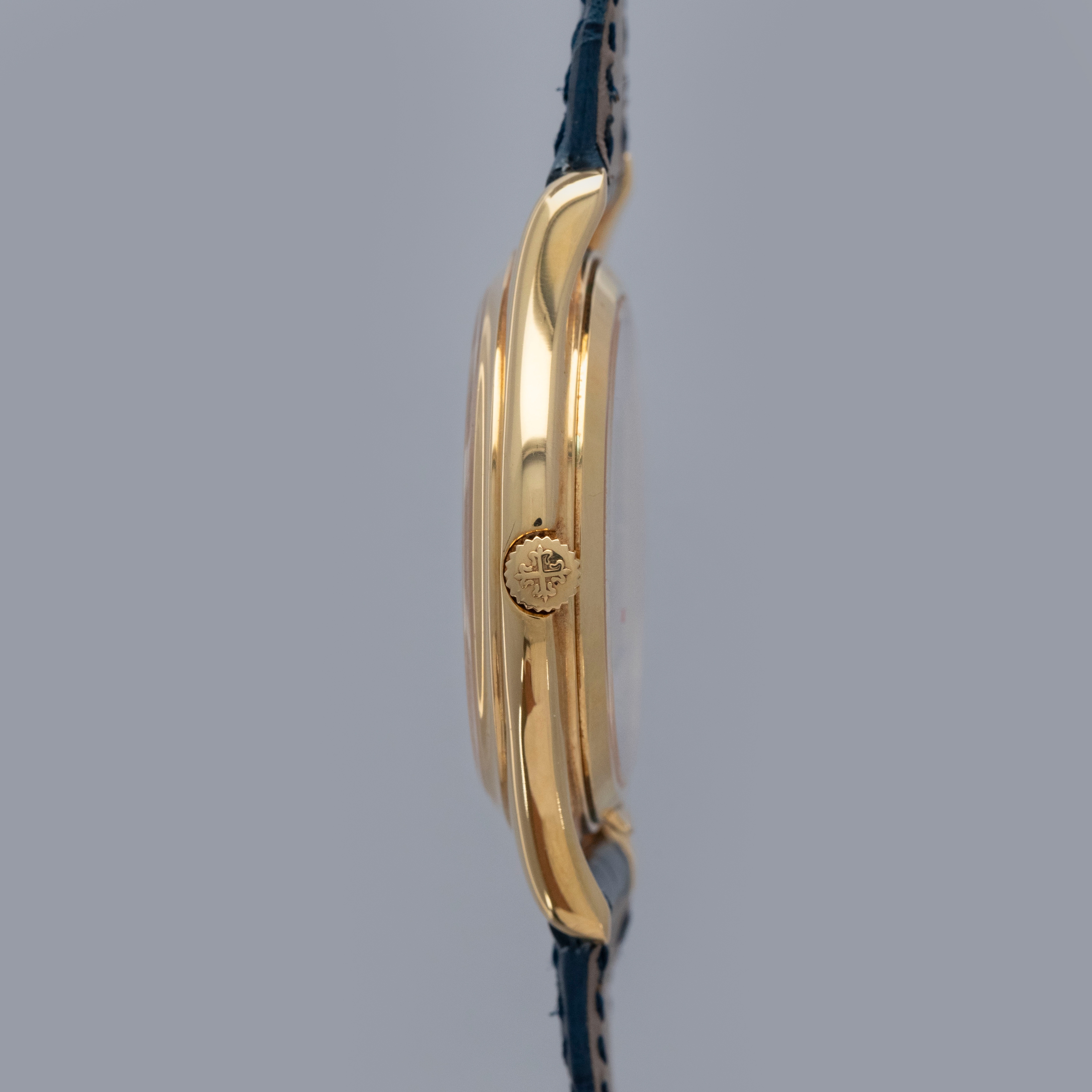
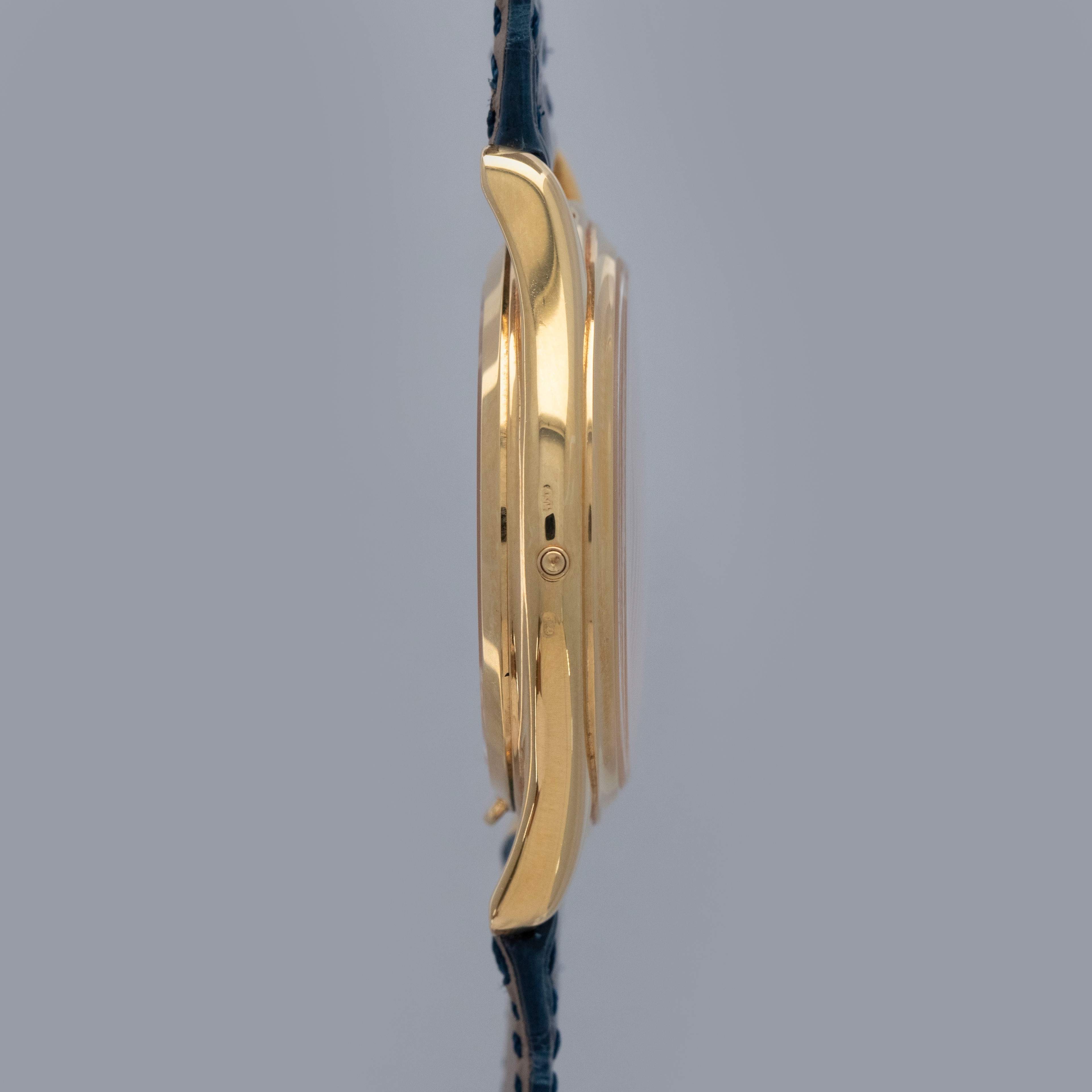
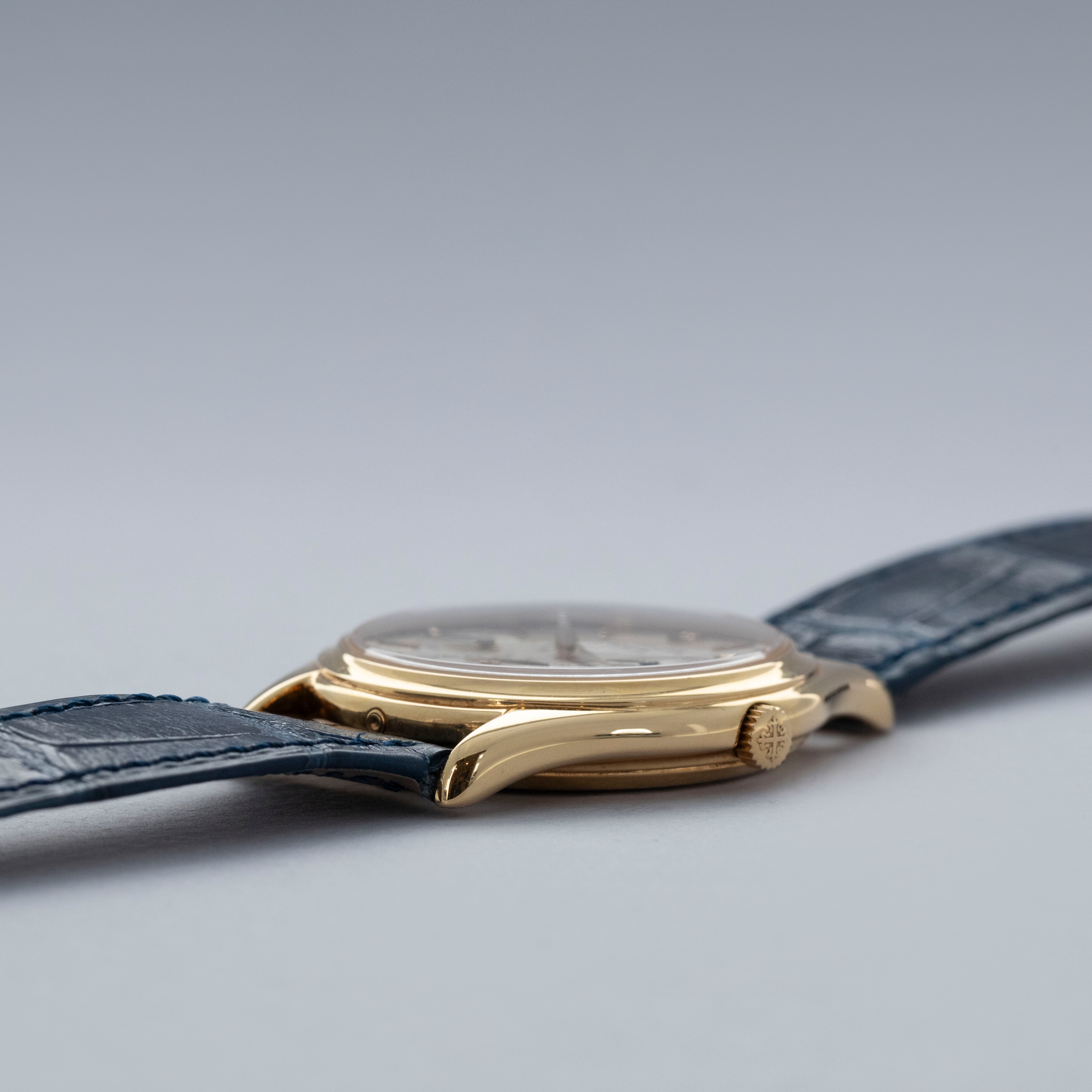
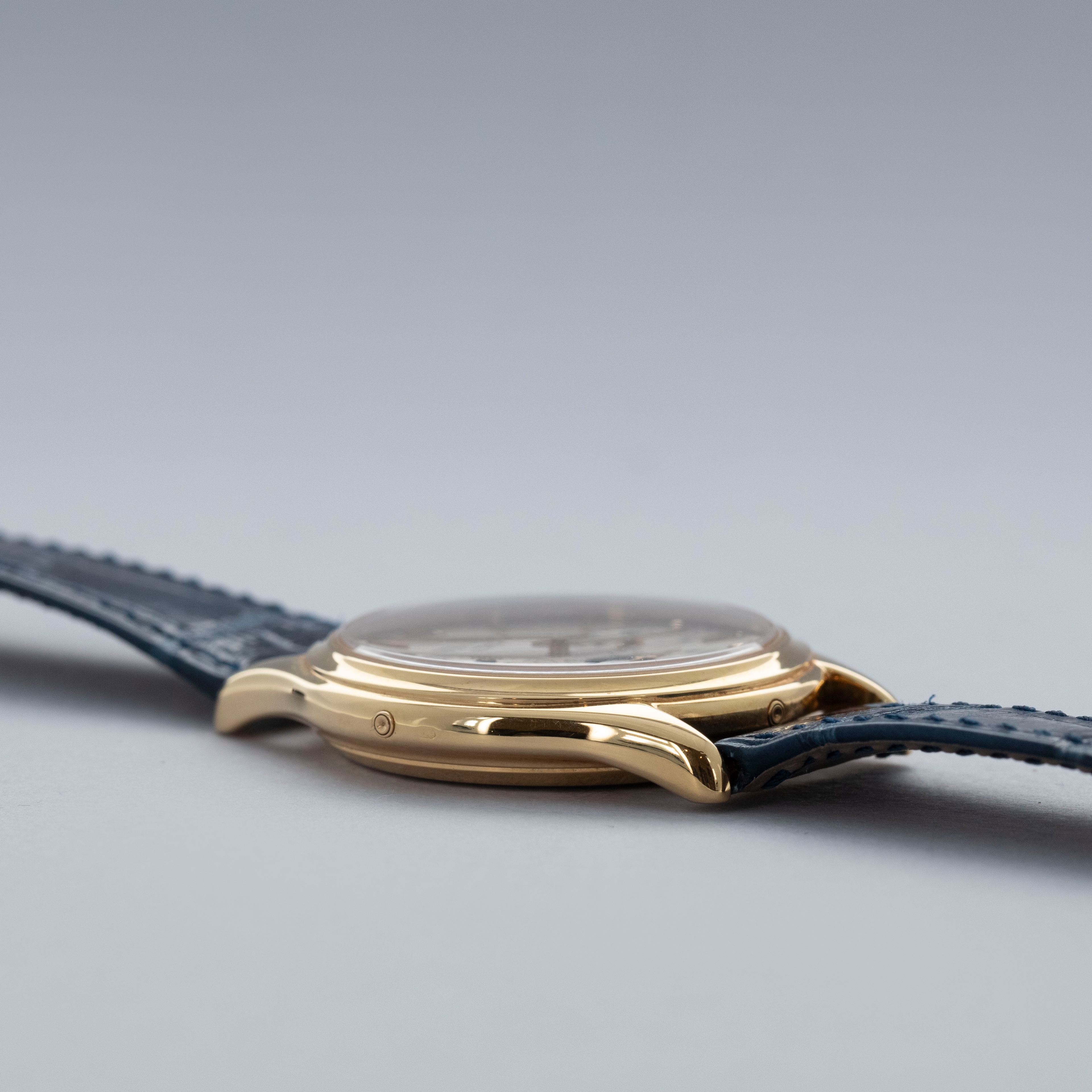
At 36mm, the 18K yellow gold case exemplifies the restrained proportions that define the ref. 3940. Its gently sloping lugs and thin profile allow the watch to sit particularly close to the wrist. Hallmark placement is also useful when identifying Second Series production, appearing on the case side and, towards the end of the series, additionally beneath the five and seven o'clock lugs.
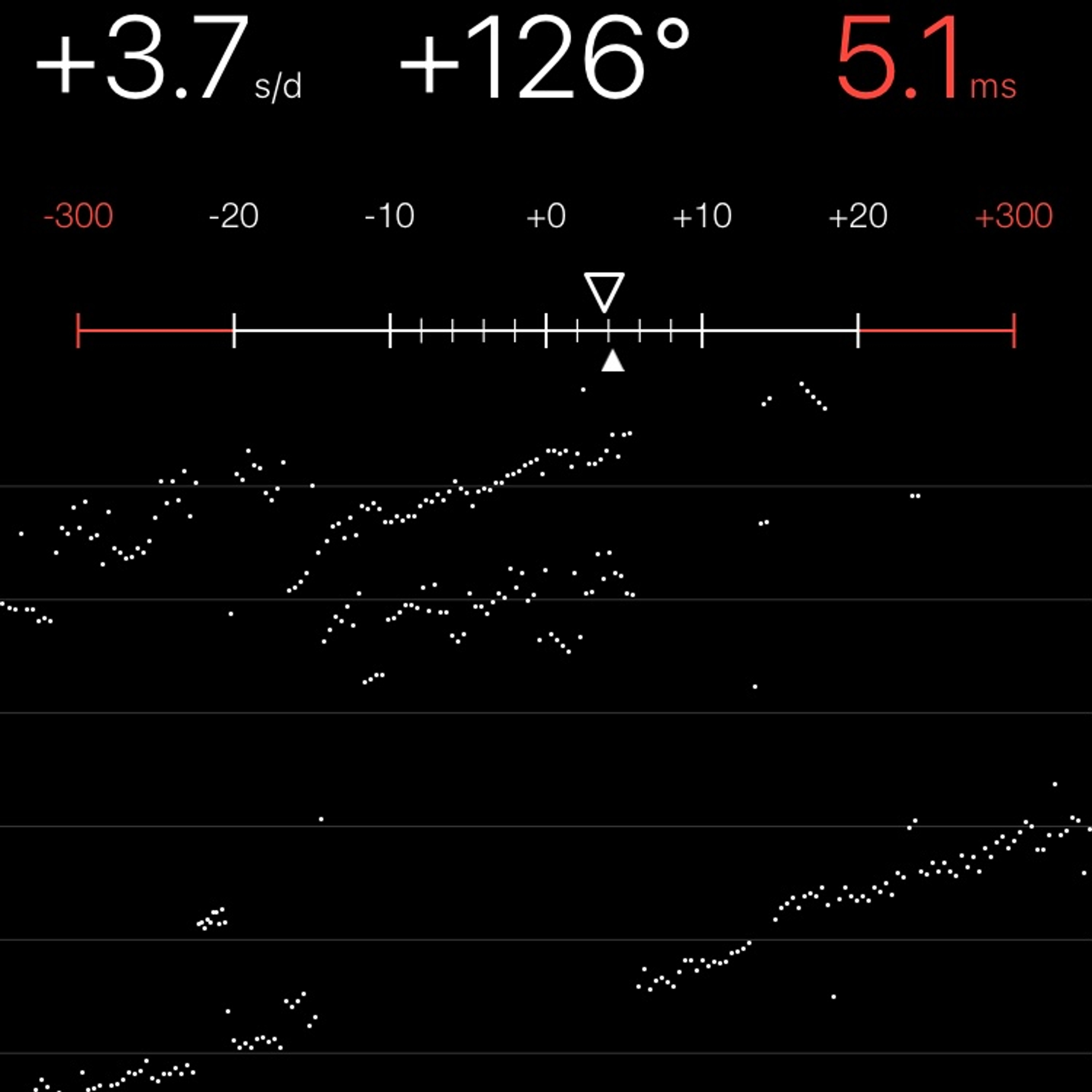
TIMING MACHINE READOUT
This reading was taken (crown down) with a ONEOF Accuracy Boutique Edition timing machine at time of cataloging. It is provided as a courtesy only, and shall not be construed as a warranty or guarantee of any kind. Please refer to our terms and conditions of sale for more information.
Condition
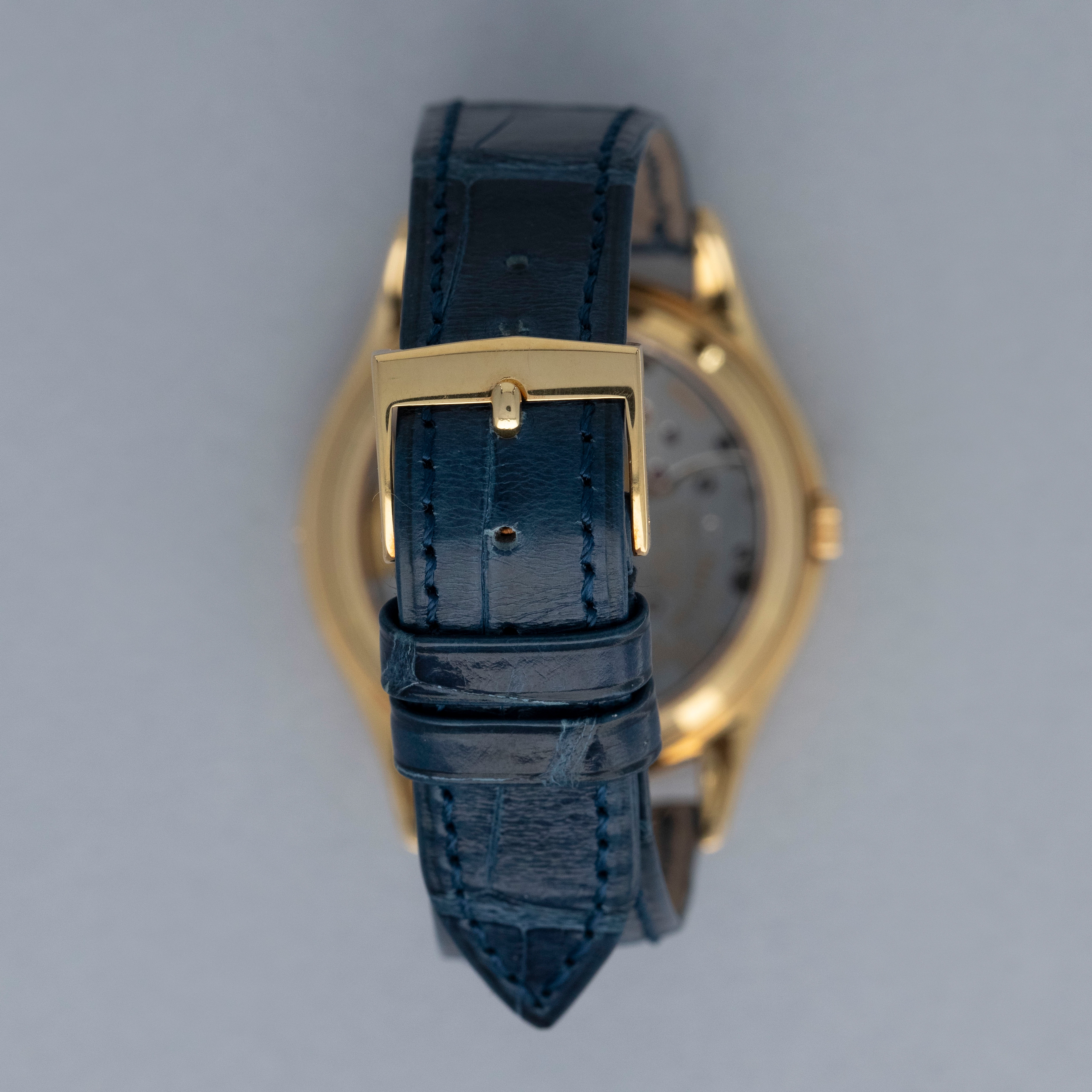
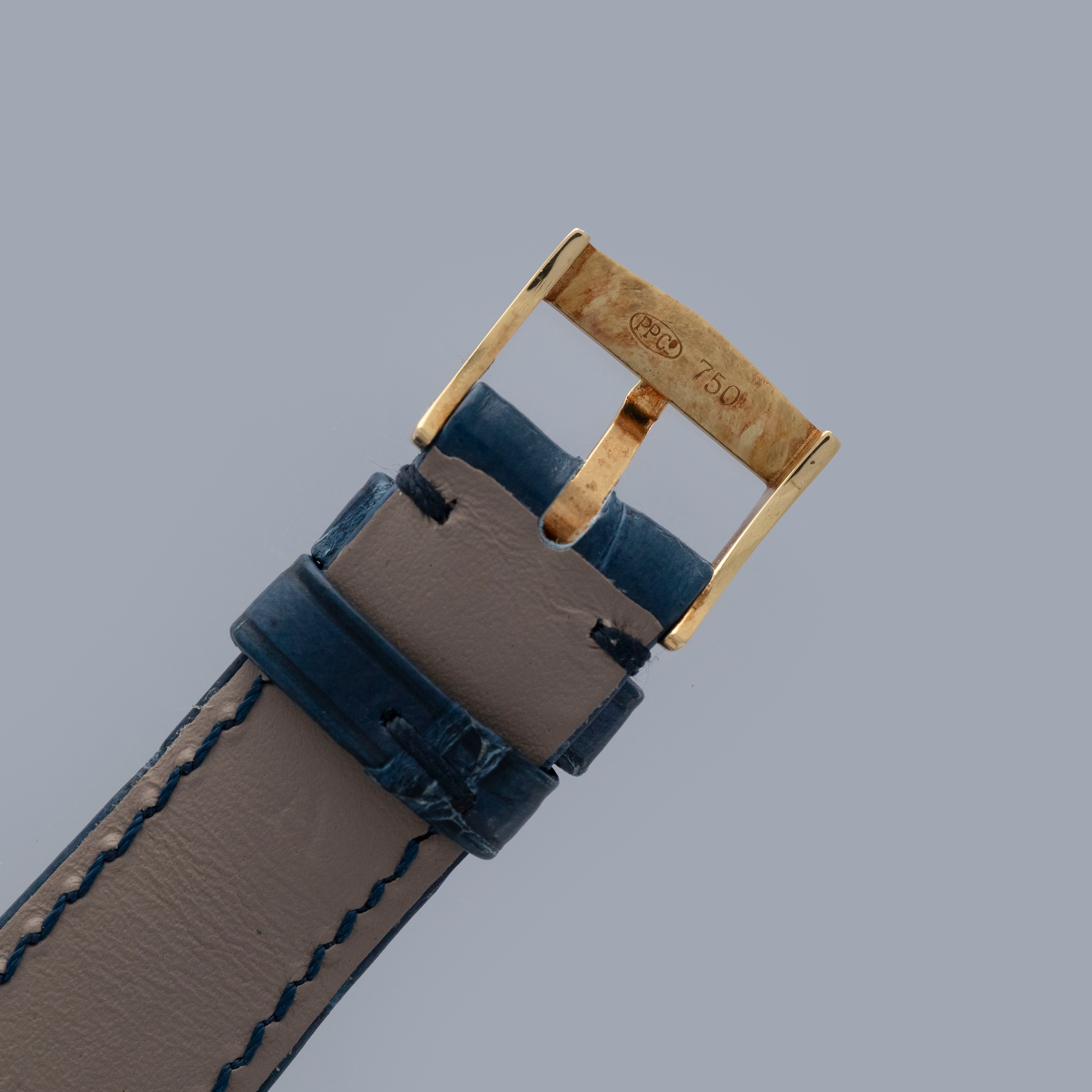
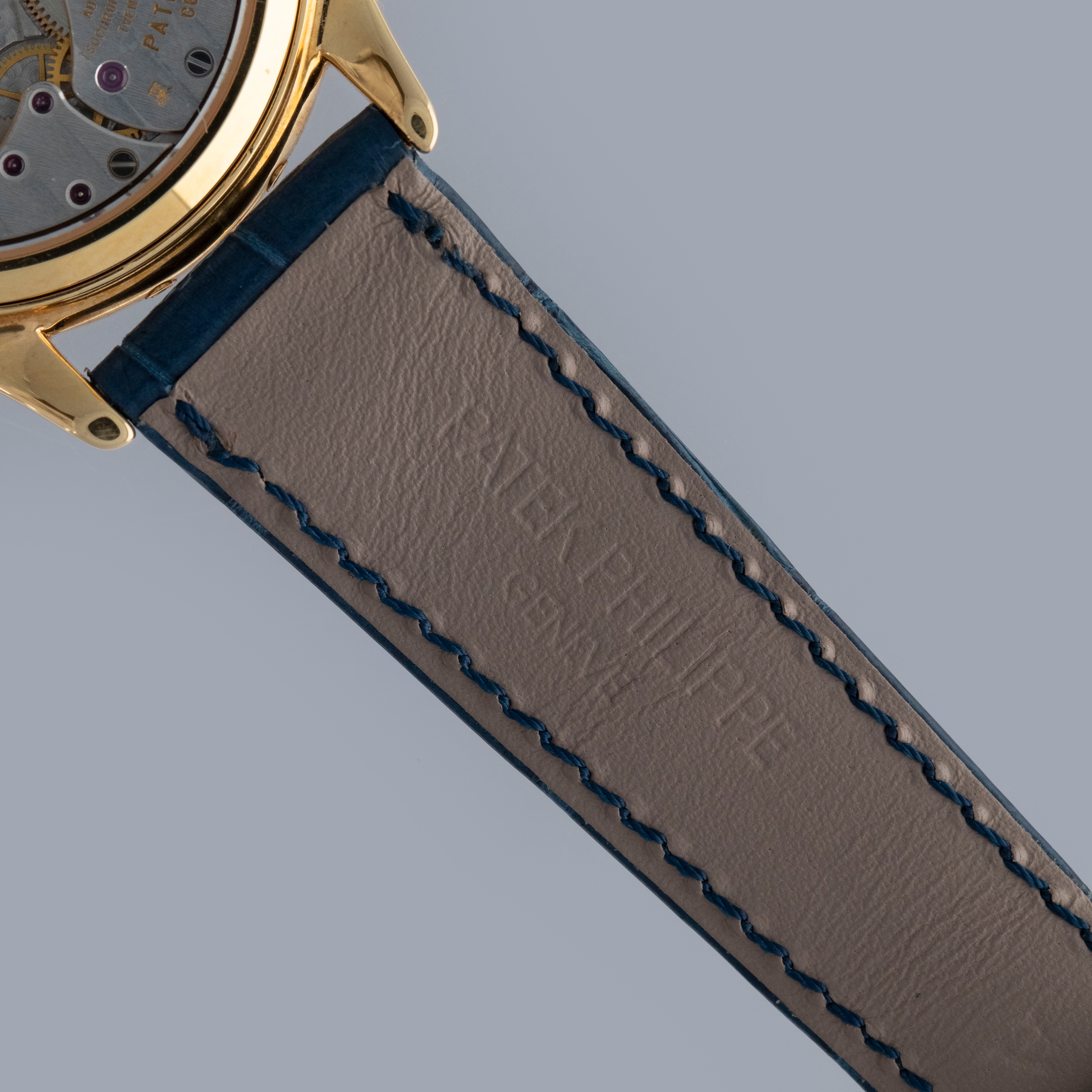
Watch is in overall near-mint condition. The 18K yellow gold case shows signs of careful wear. All hallmarks remain well defined, while the winding crown and correctors are in near-mint condition. The dial and hands are in near-mint condition. It is fitted with a leather strap and 18K yellow gold Patek Philippe pin buckle. Comes with inner and outer boxes, Certificate of Origin, booklets, document holder, original receipt, hangtag, setting pin and original leather strap.
Please Note: Due to CITES considerations, if the watch is to be shipped outside of the USA, the exotic skin strap will have to be removed.
Our Perspective
The ref. 3940 rewards precisely the kind of detailed study that makes neo-vintage Patek Philippe so compelling. What initially appears to be an unchanged design evolved through a succession of small typographical, dial and case details, and the Second Series occupies an especially interesting position in that progression. With its cross-haired leap-year register, serif typography and low sigma marks, this example retains several characteristics of early production while anticipating the appearance of the later 3940s.


John Reardon
Collectability.com
