



Introduction
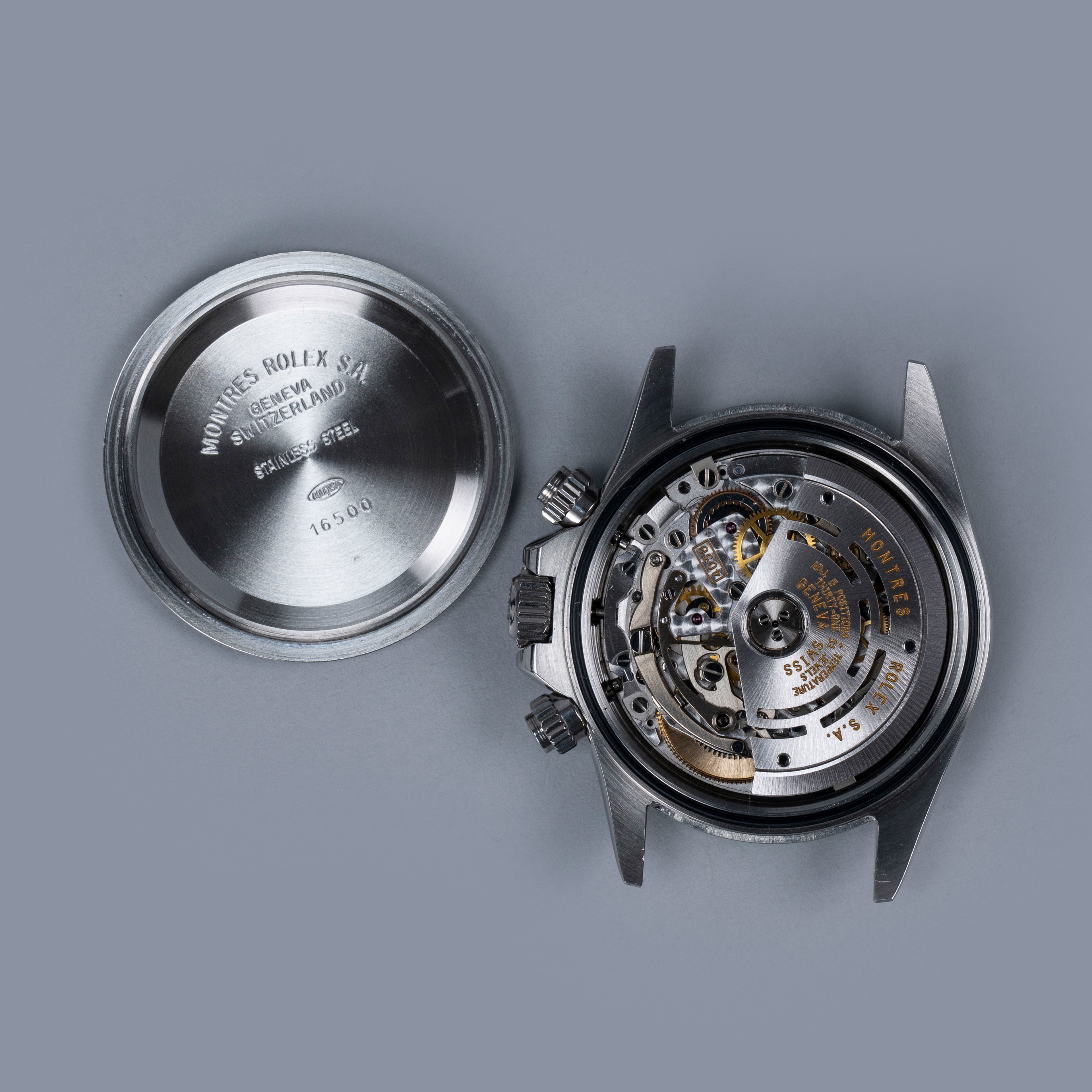
The introduction of the automatic Cosmograph Daytona in 1988 marked one of the most significant developments in Rolex's chronograph history. Since its debut in 1963, the Daytona had been powered by manually wound movements, but the arrival of the reference 16520 brought an entirely new mechanical architecture to the collection. At its heart was the calibre 4030, based on Zenith's celebrated El Primero movement but extensively reworked by Rolex, with more than 200 modifications to its construction and operation. The resulting chronograph combined the high-performance foundations of the El Primero with Rolex's own approach to reliability and precision. Beyond the movement, the new Daytona introduced a larger 40mm Oyster case, sapphire crystal and a more contemporary aesthetic. Produced until 2000, the Zenith-powered Daytona has since become one of the most closely studied generations of Rolex's iconic chronograph, with collectors identifying numerous dial and bezel variations that distinguish different periods of production.
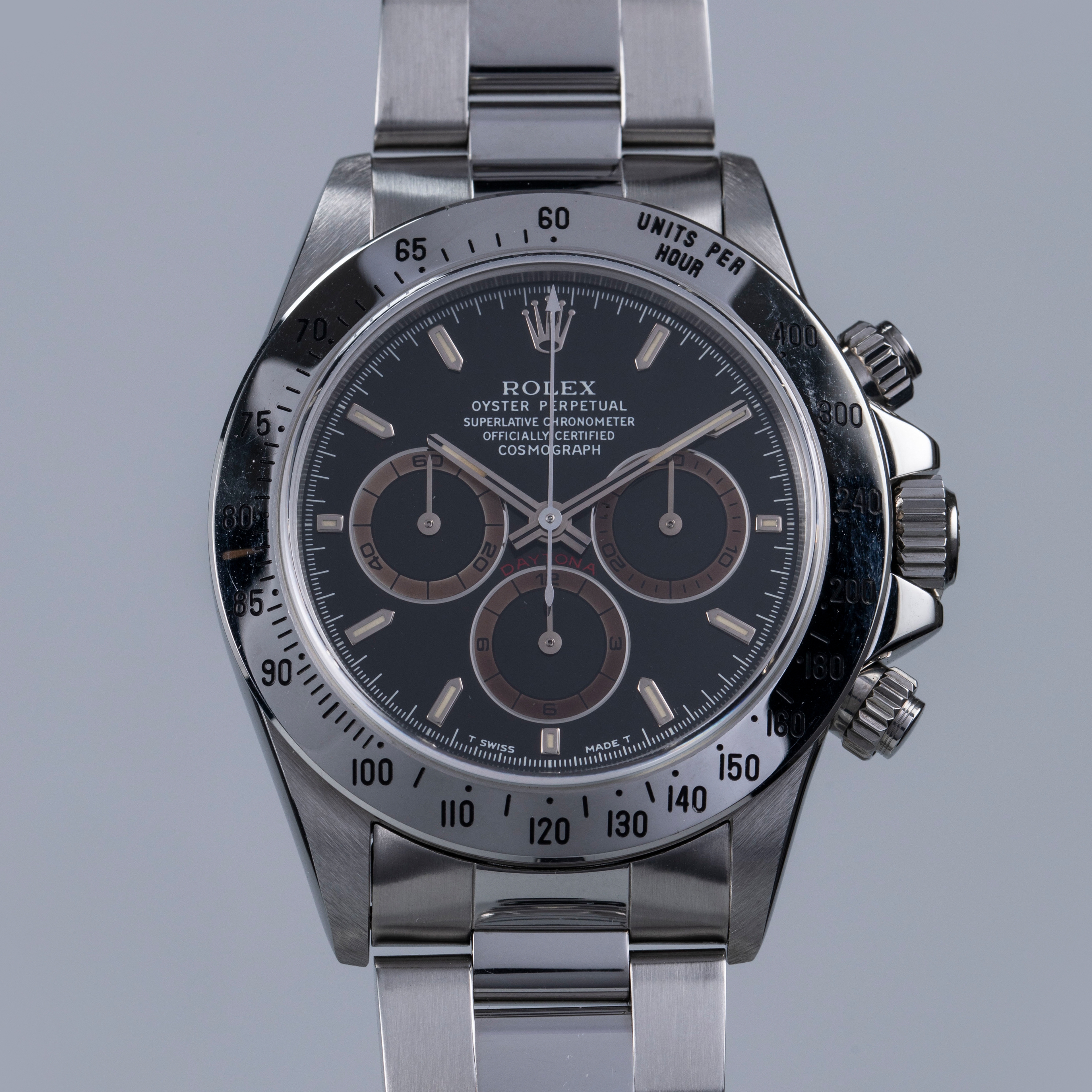
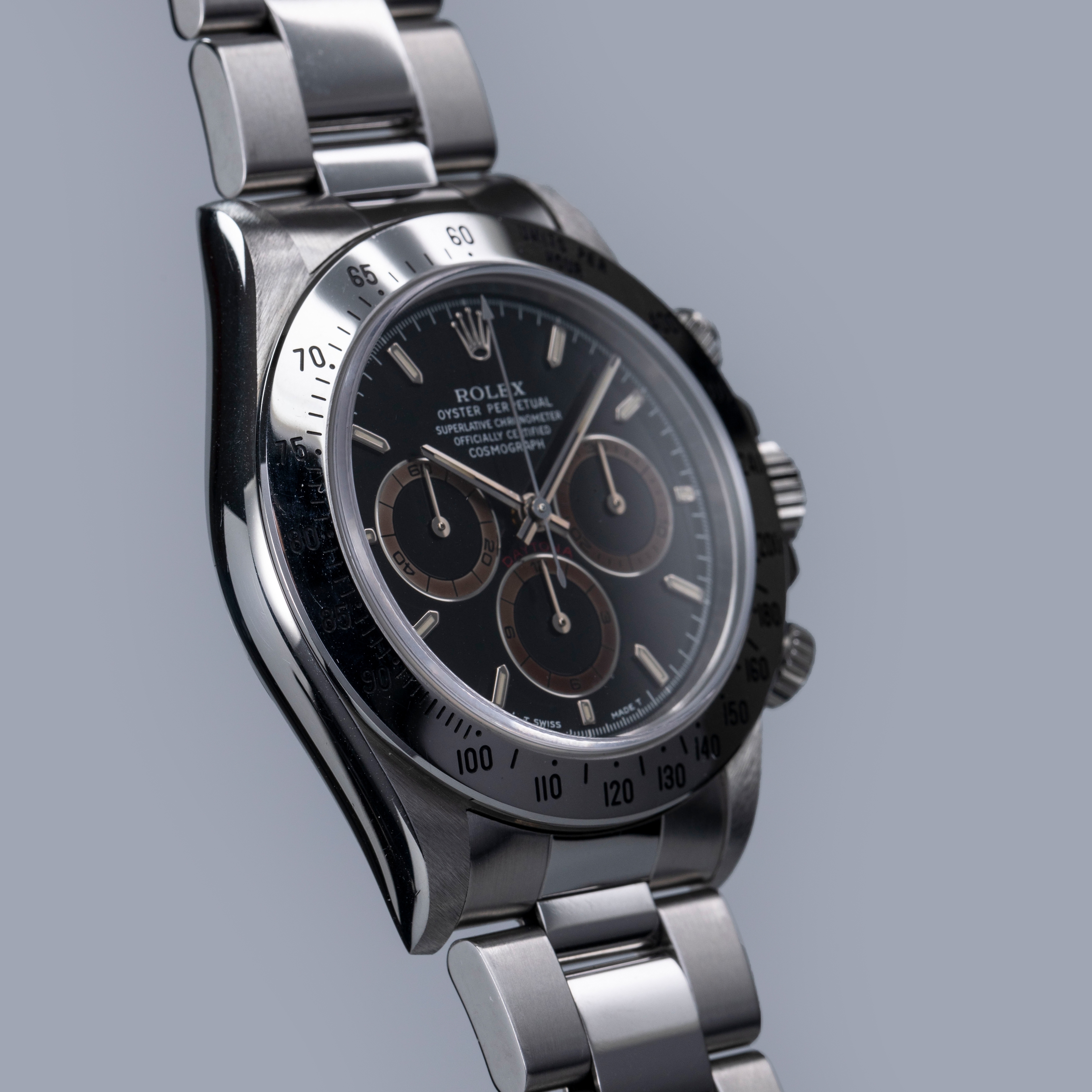
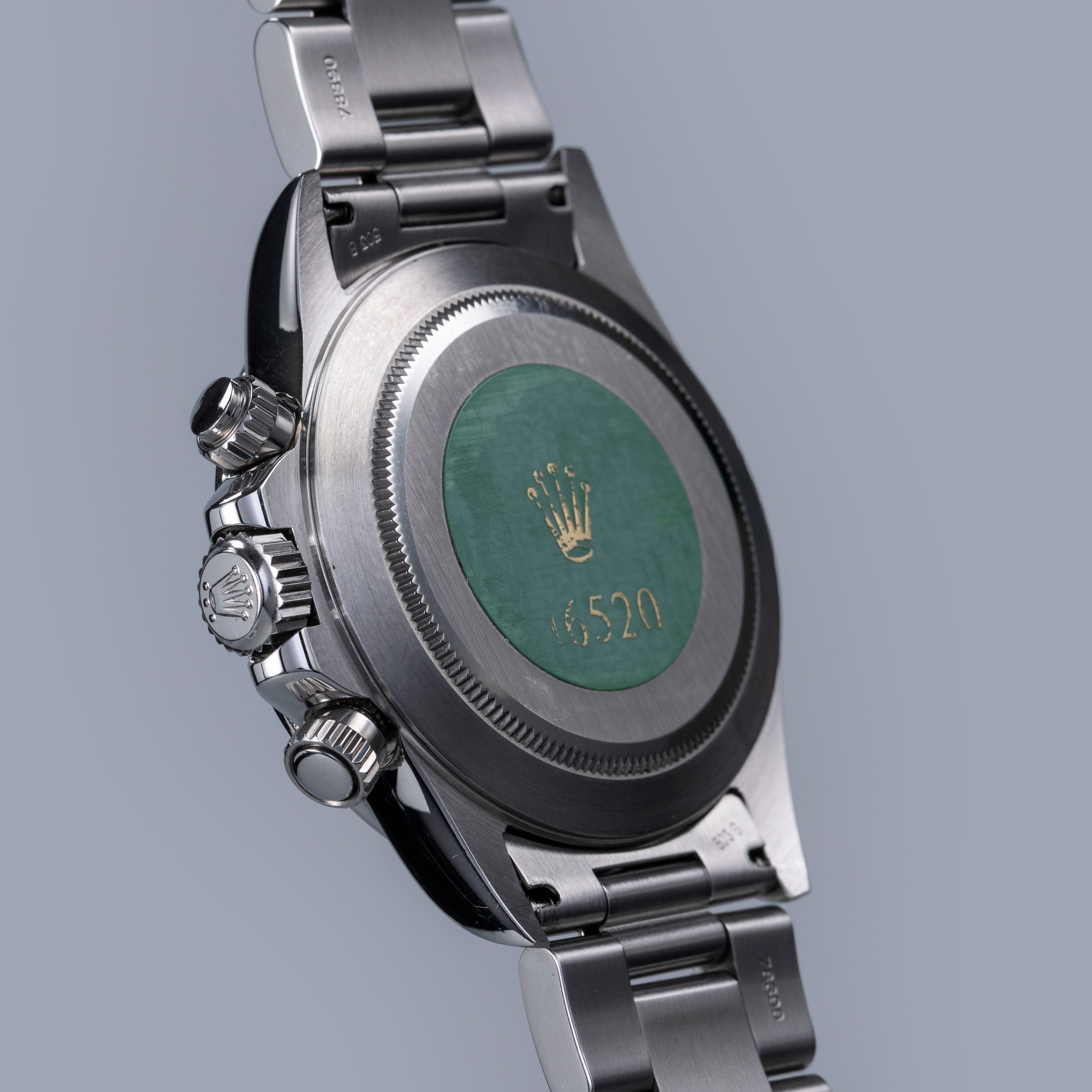
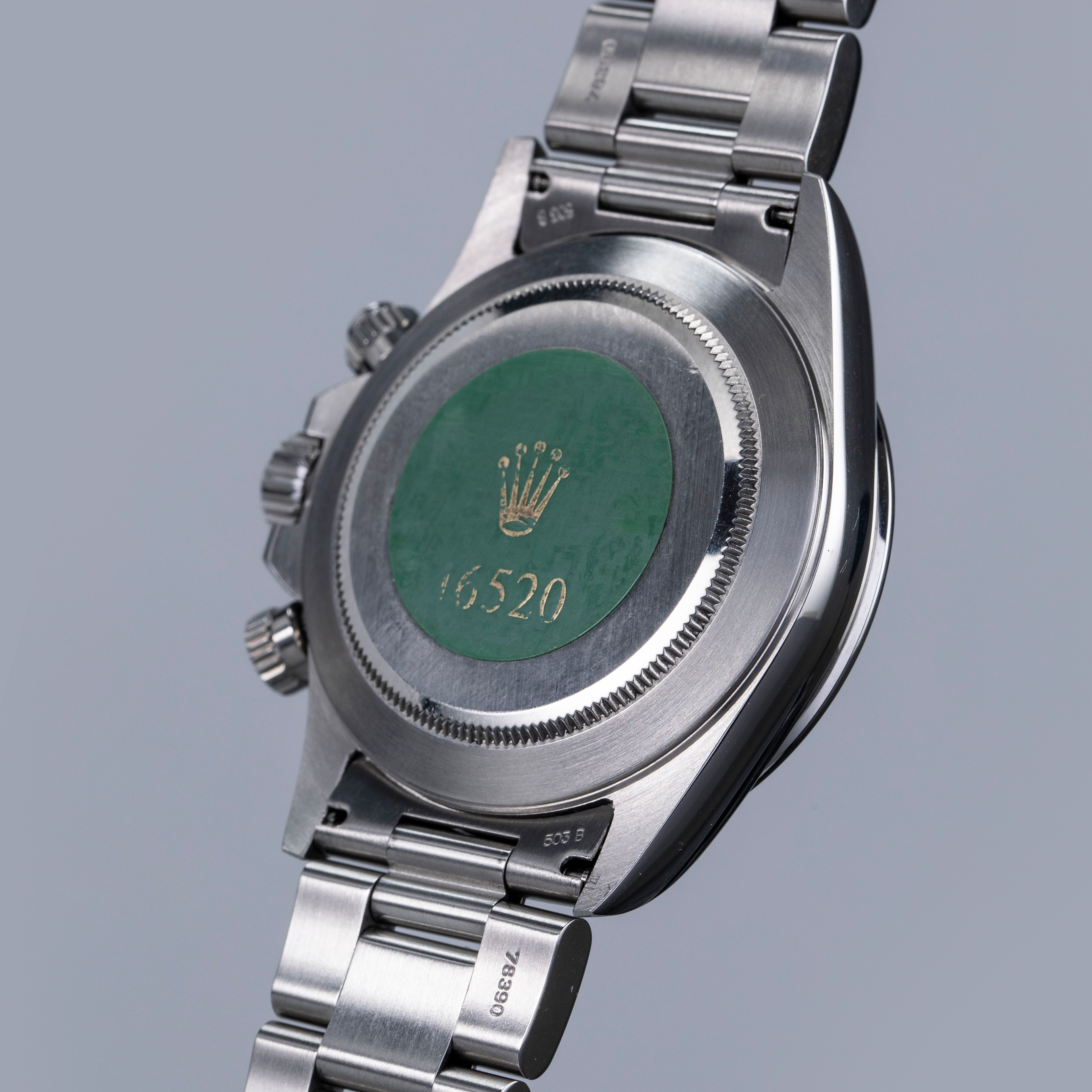
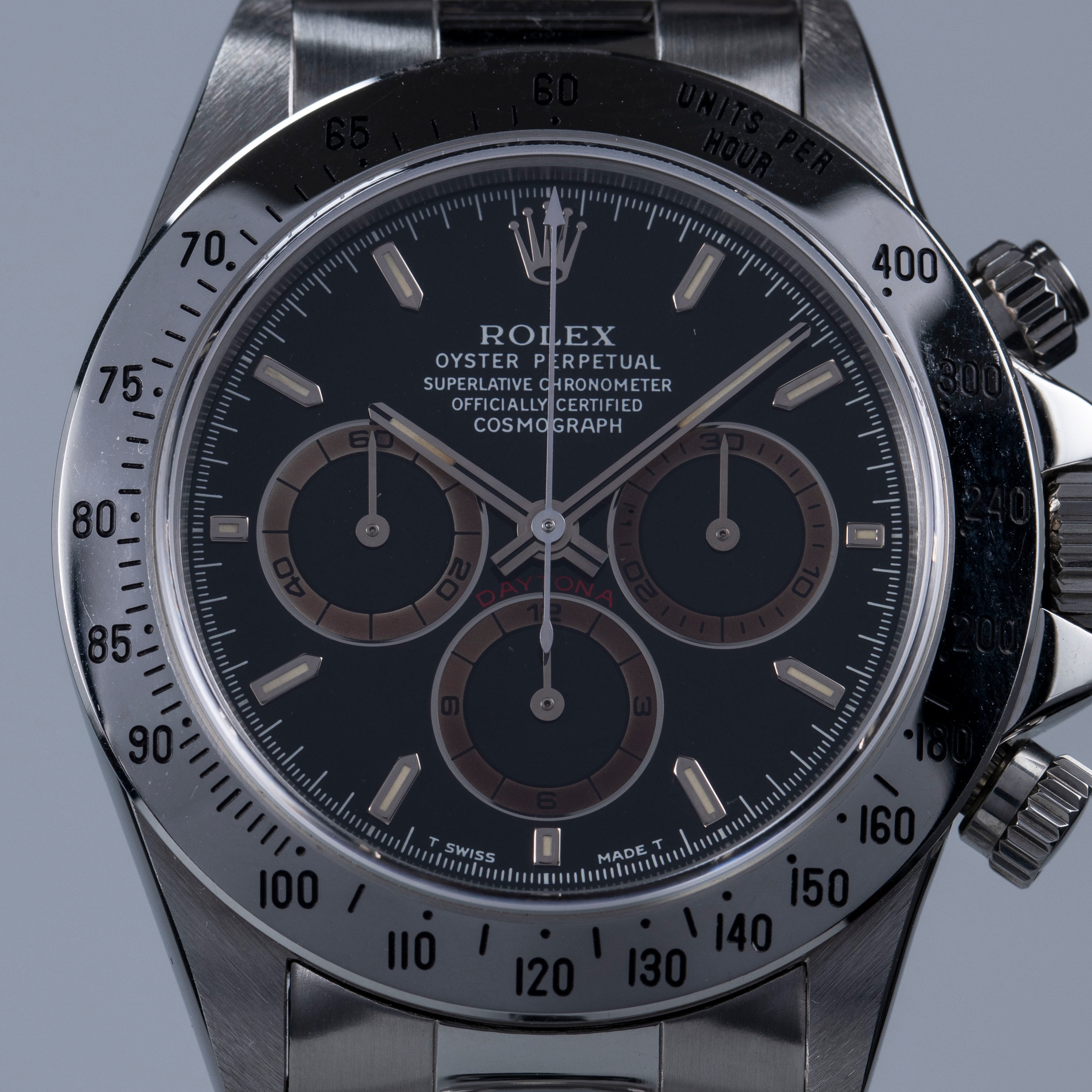
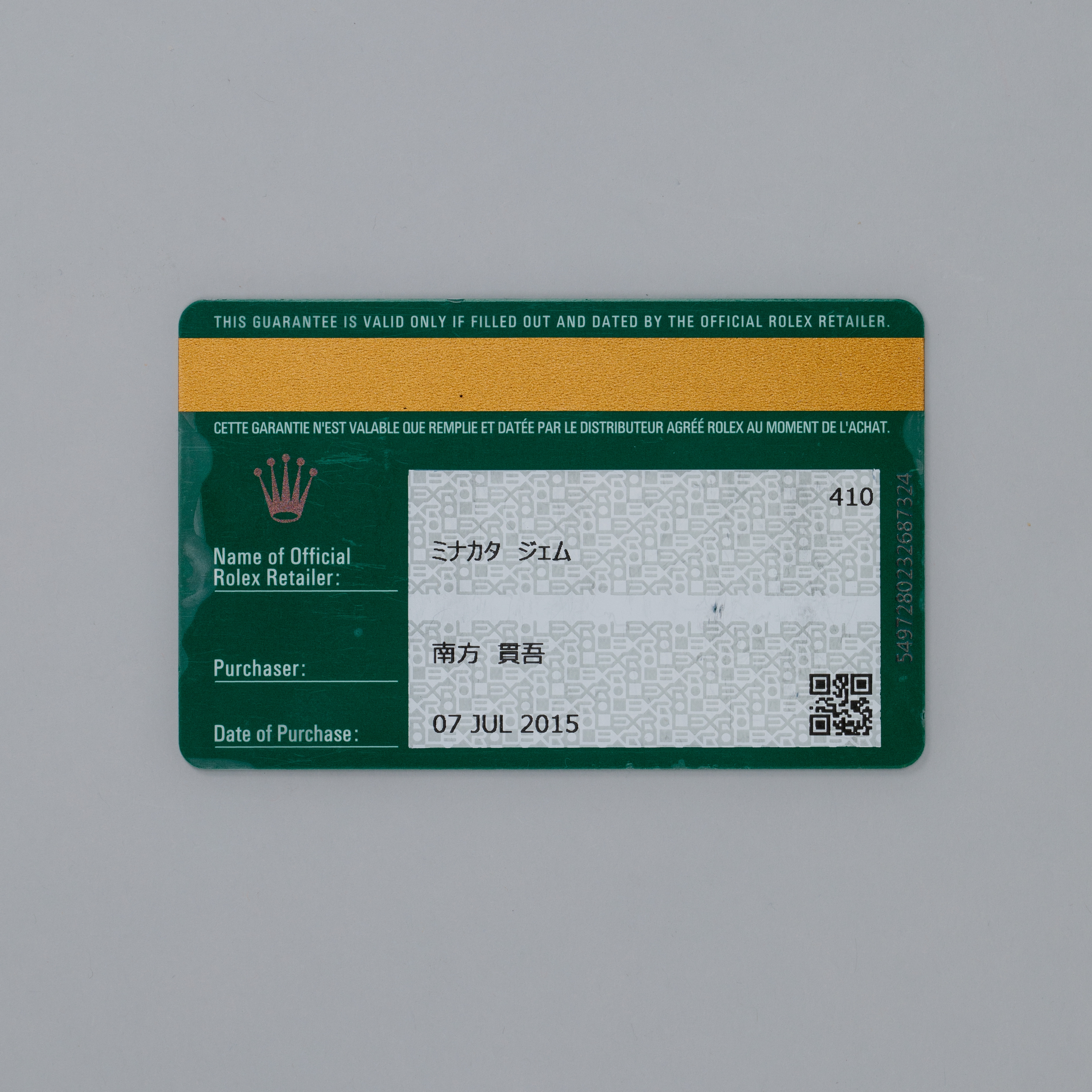
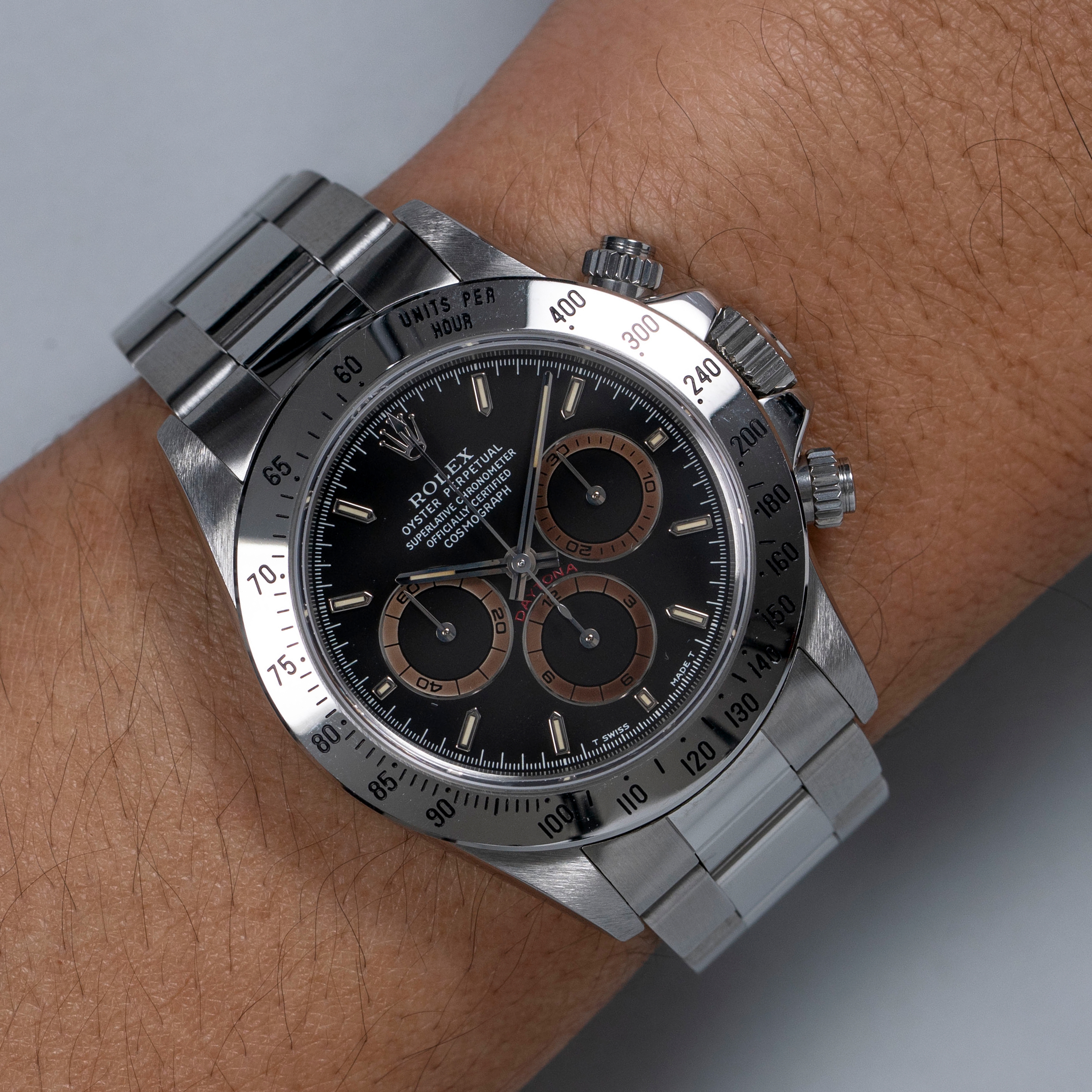
Among the most fascinating of these variations is the so-called 'Patrizzi' dial, named after Osvaldo Patrizzi, founder of Antiquorum, who drew attention to the unusual discolouration found on certain black-dial Daytonas. During the mid-1990s, a reaction involving the protective varnish used on some dials caused the originally silver-coloured chronograph register surrounds to develop shades of brown, ranging from subtle caramel tones to considerably darker hues. This example, dating to 1996 with a T-series serial number, features the Mk5 black dial associated with this distinctive phenomenon. The transformation of the subdial rings was entirely unintended, creating an intriguing variation within an otherwise highly standardised production model. Most commonly associated with watches produced between 1994 and 1996, Patrizzi dials have become an established area of interest among Zenith Daytona collectors, with the degree and character of the discolouration adding another dimension to the study of these important chronographs. Unusual to note, this watch was first sold in 2015 as referenced in the newer style plastic guarantee card. Perhaps a truly "old stock" watch that was discovered years later and offered for sale to one lucky buyer.
Loupe This Scorecard
Grade
M 9.5
Status
Vetted & Approved
Included
Watch Only
Est. value range
$30,000 – $50,000
The Details
Brand
Rolex
Dimensions
40mm
Model
Cosmograph Daytona
Movement
Automatic Rolex calibre 4030
Reference
16520
Bracelet
Stainless steel Oyster bracelet
Year
1996
Condition
Like new
Material
Stainless steel
Included
Watch only
Dial Color
Black
THE PATRIZZI DIAL
The Mk5 black dial belongs to the mid-1990s generation associated with the celebrated Patrizzi phenomenon. A reaction involving the protective varnish applied during manufacture can cause the originally silver-coloured chronograph register surrounds to develop a distinctive brown patina. Named after auctioneer Osvaldo Patrizzi, these dials have become particularly desirable among collectors of Zenith-powered Daytonas.
THE CONSTRUCTION
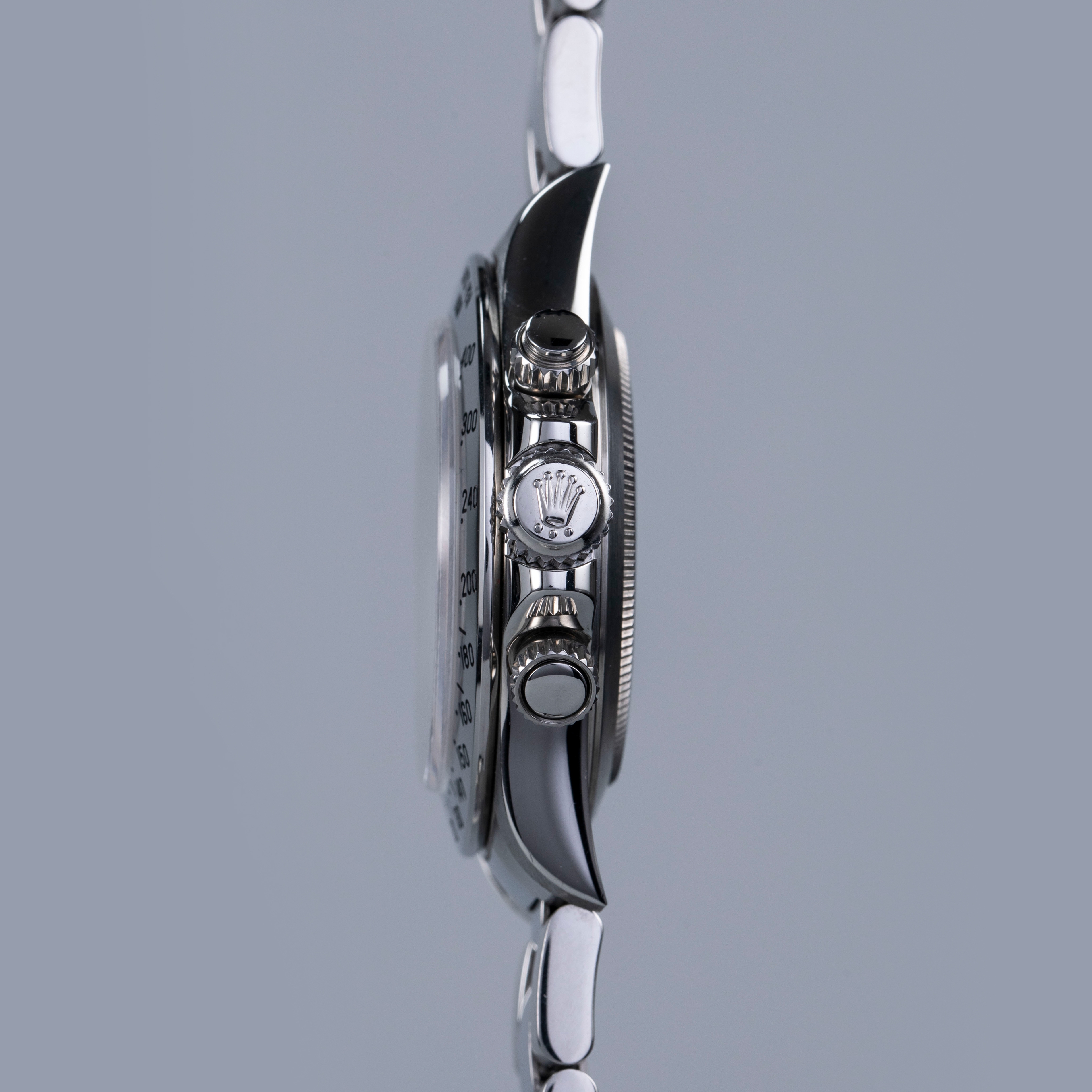
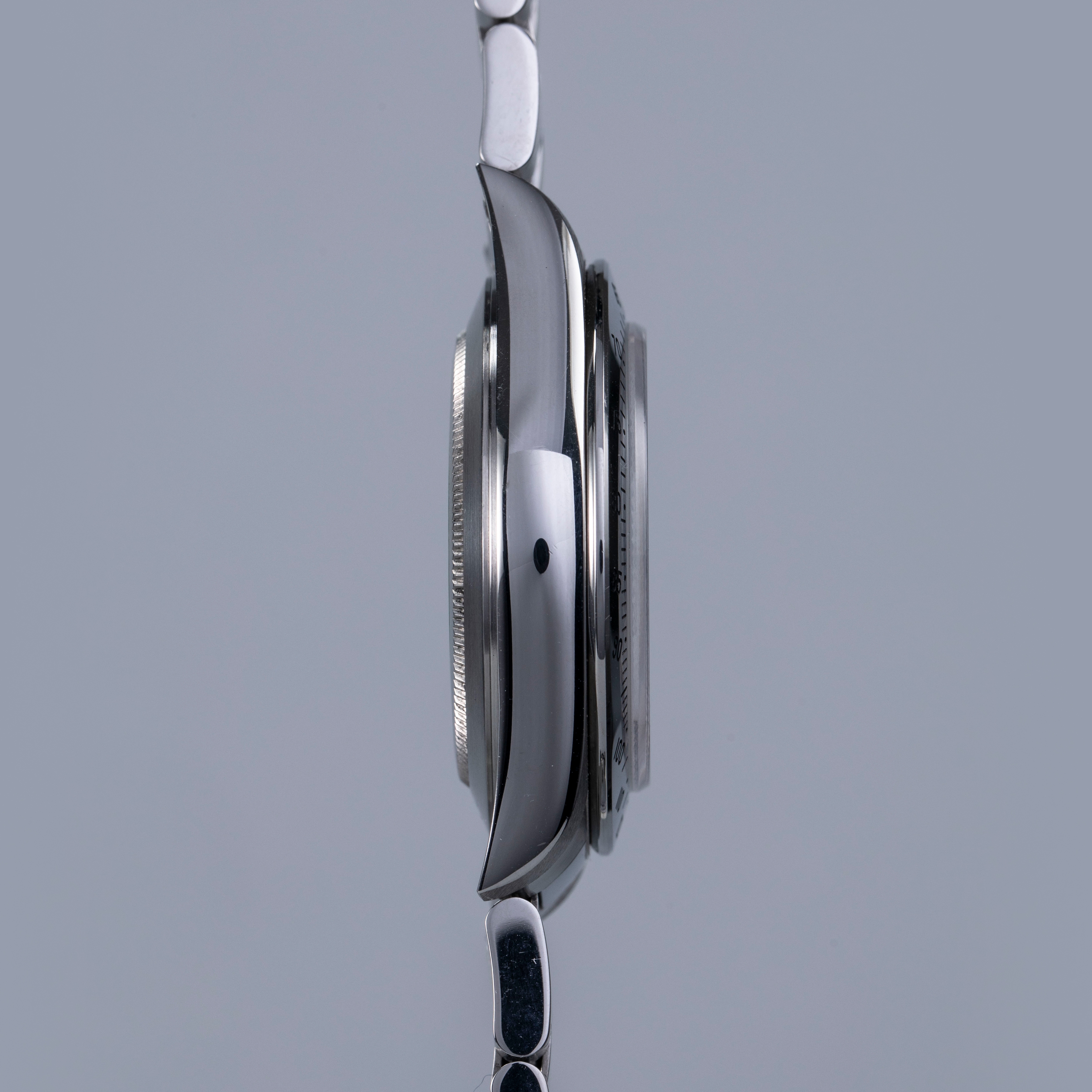
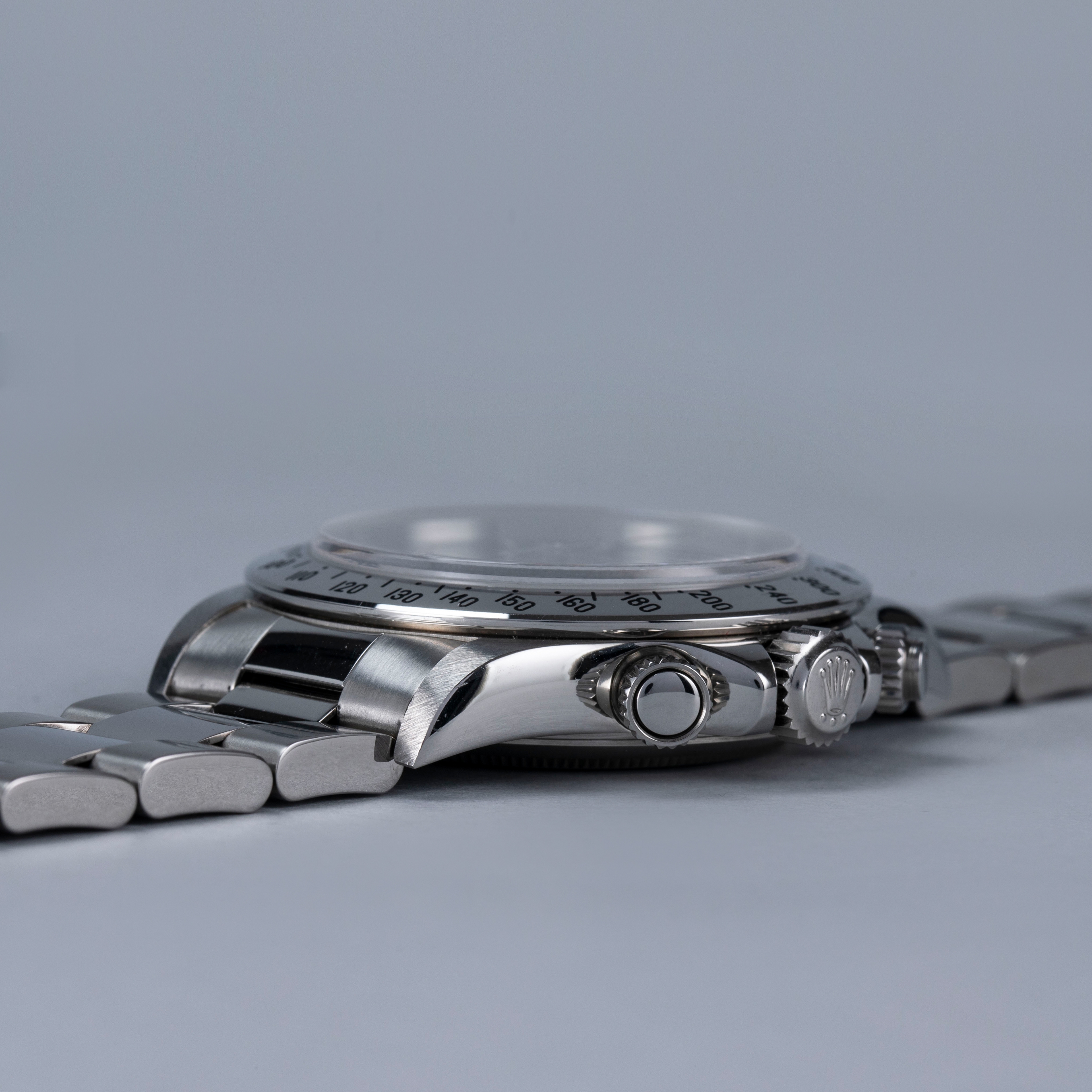
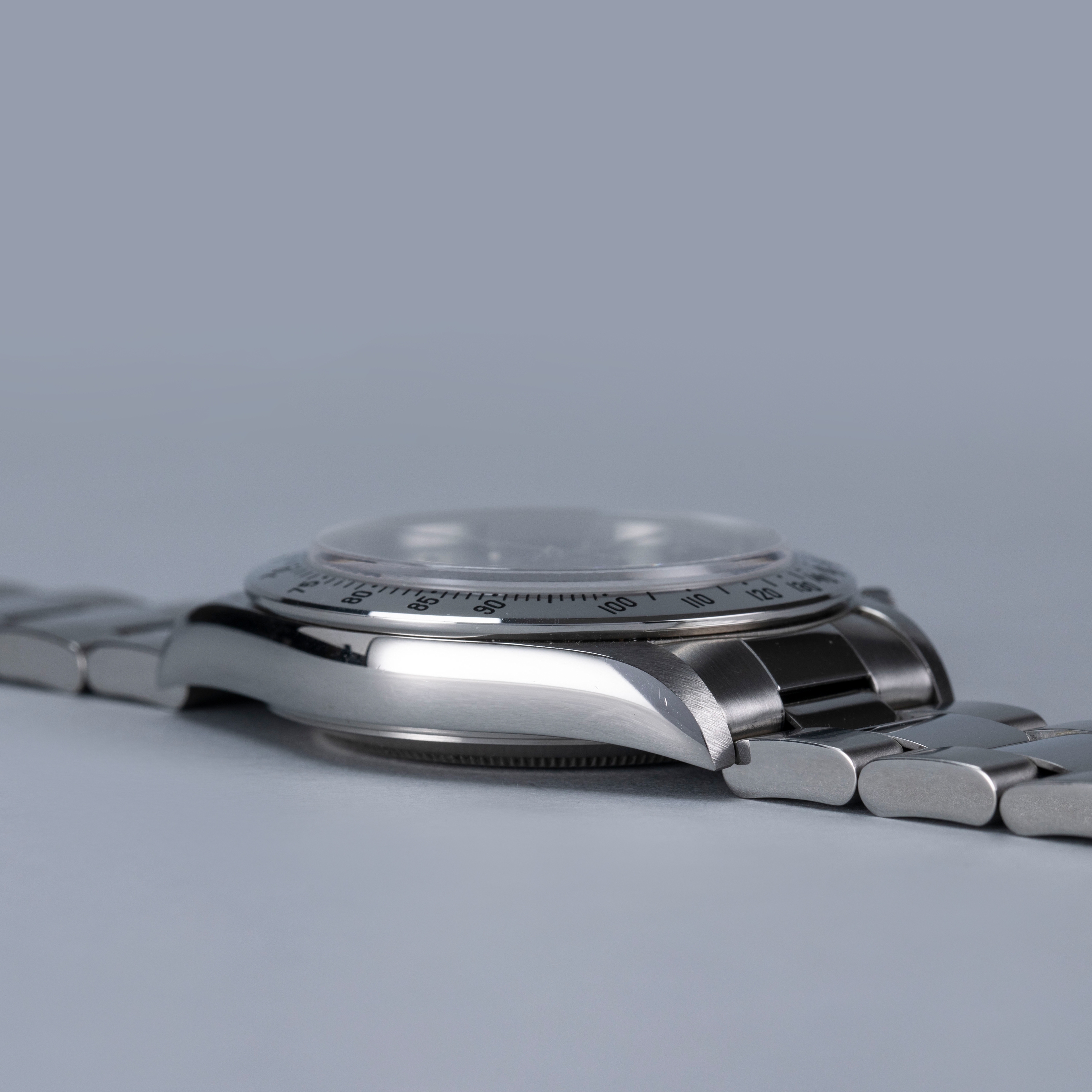
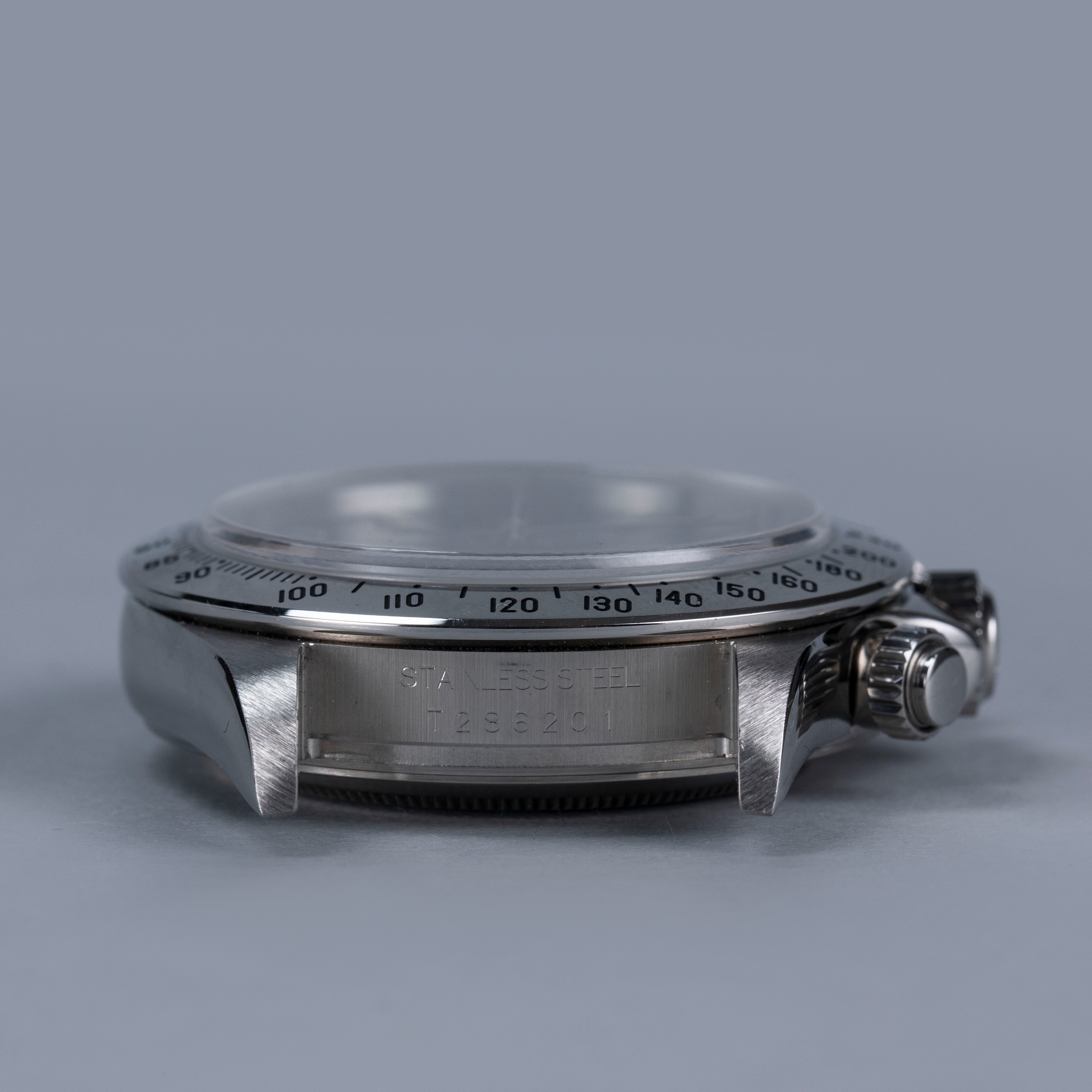
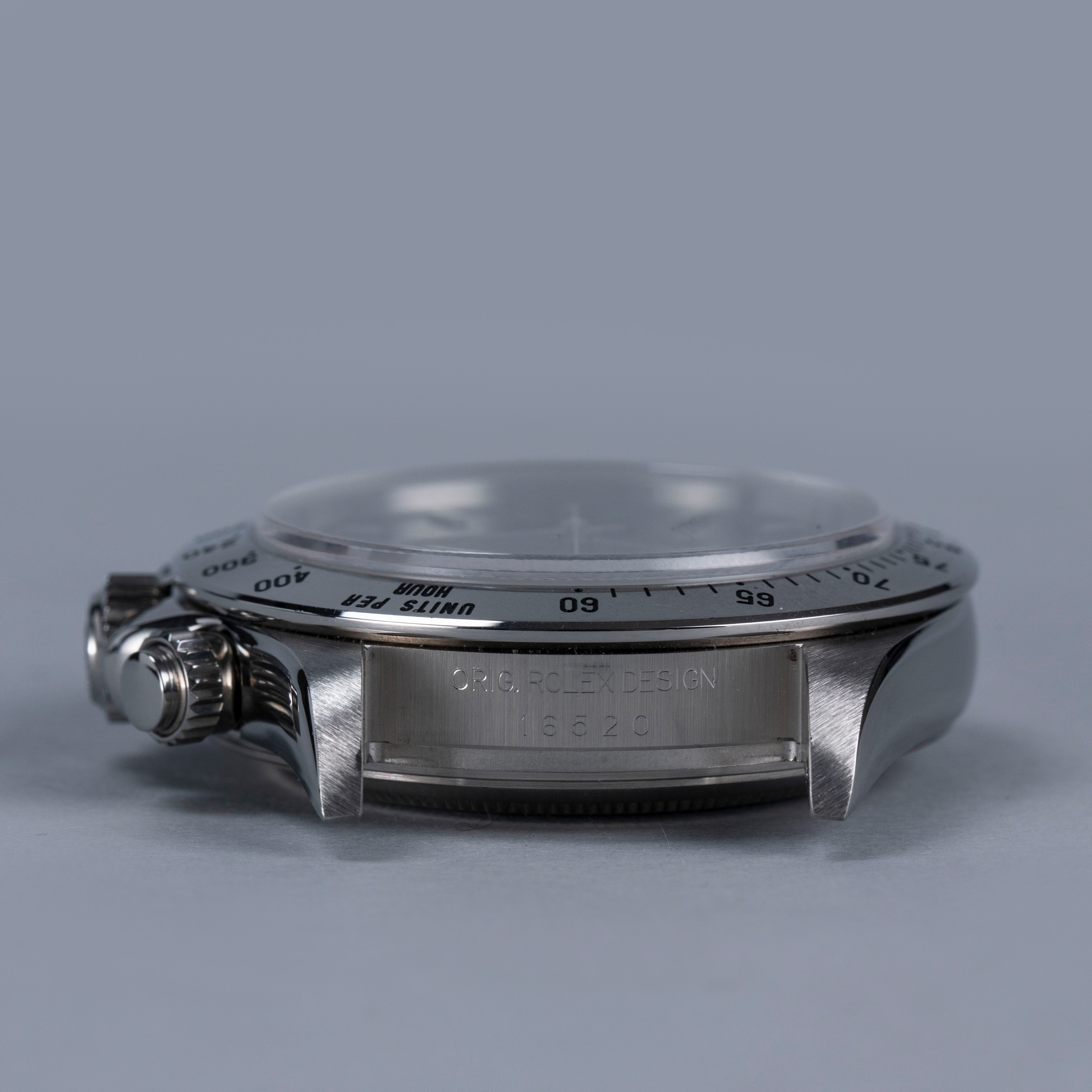
The 40mm stainless steel Oyster case represented a substantial departure from the proportions of earlier manually wound Daytonas. Its screw-down chronograph pushers, protected winding crown and sapphire crystal combined to create a more contemporary sports chronograph, whilst the characteristic asymmetrical case profile retained the recognisable design language established by its predecessors.
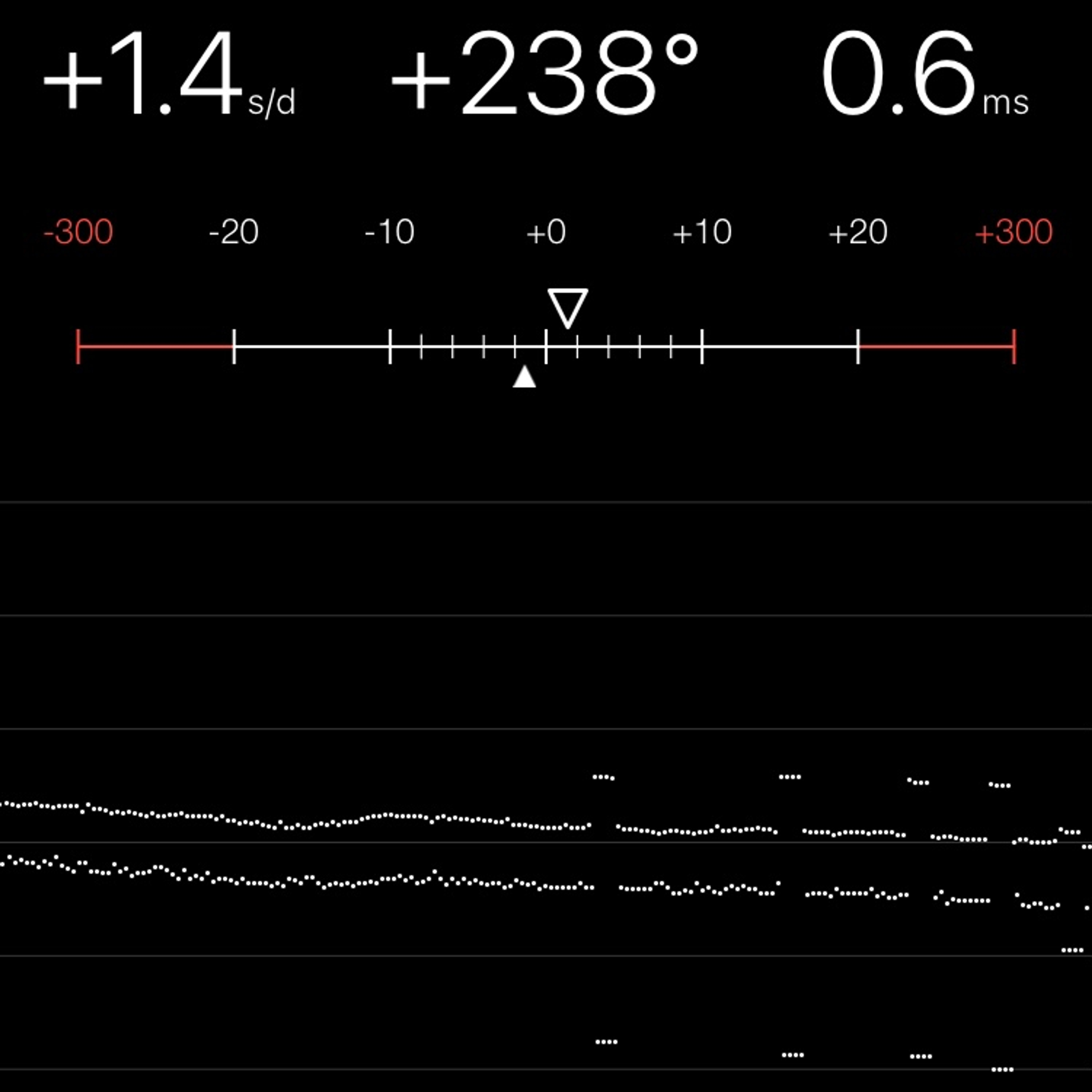
TIMING MACHINE READOUT
This reading was taken (crown down) with a ONEOF Accuracy Boutique Edition timing machine at time of cataloging. It is provided as a courtesy only, and shall not be construed as a warranty or guarantee of any kind. Please refer to our terms and conditions of sale for more information.
Condition
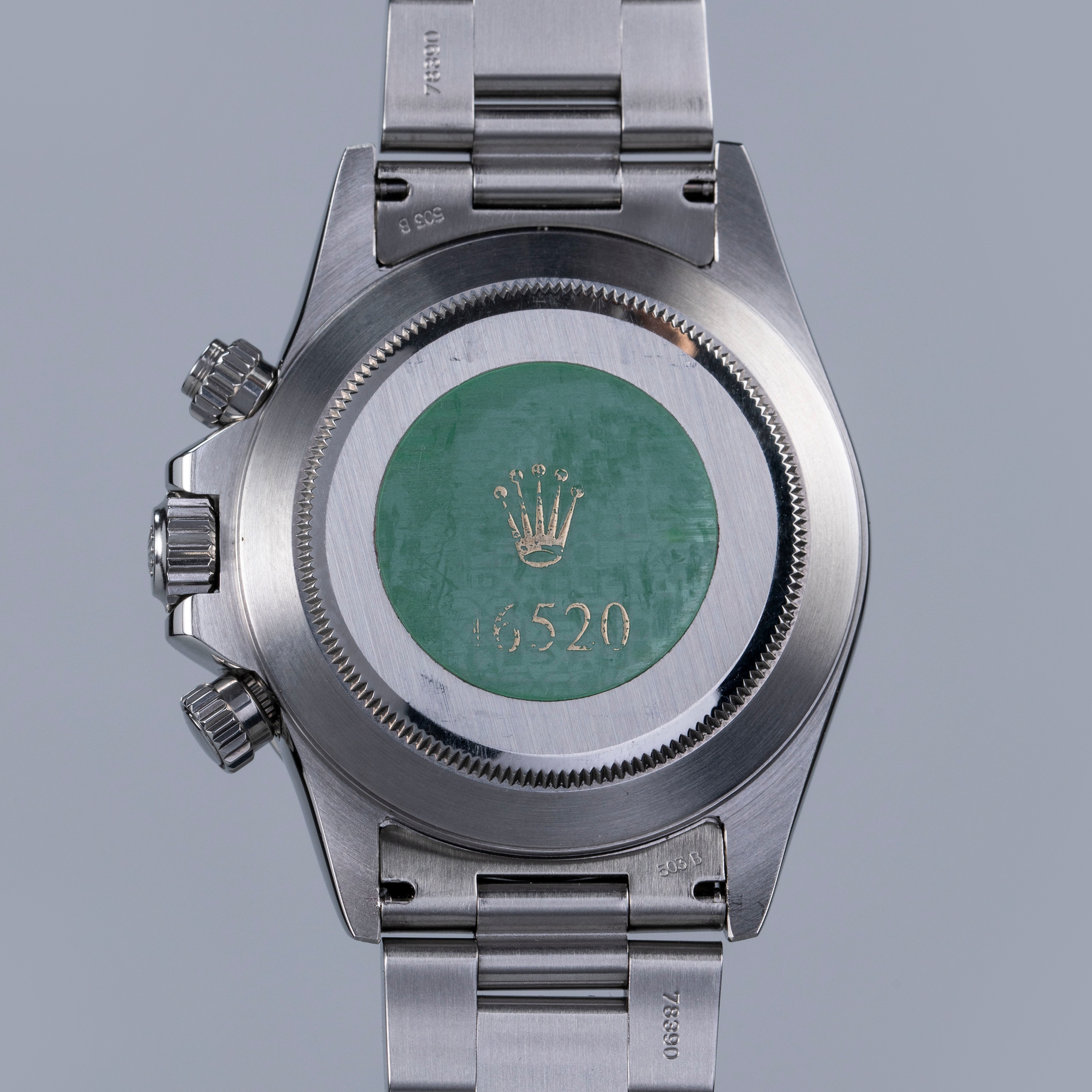
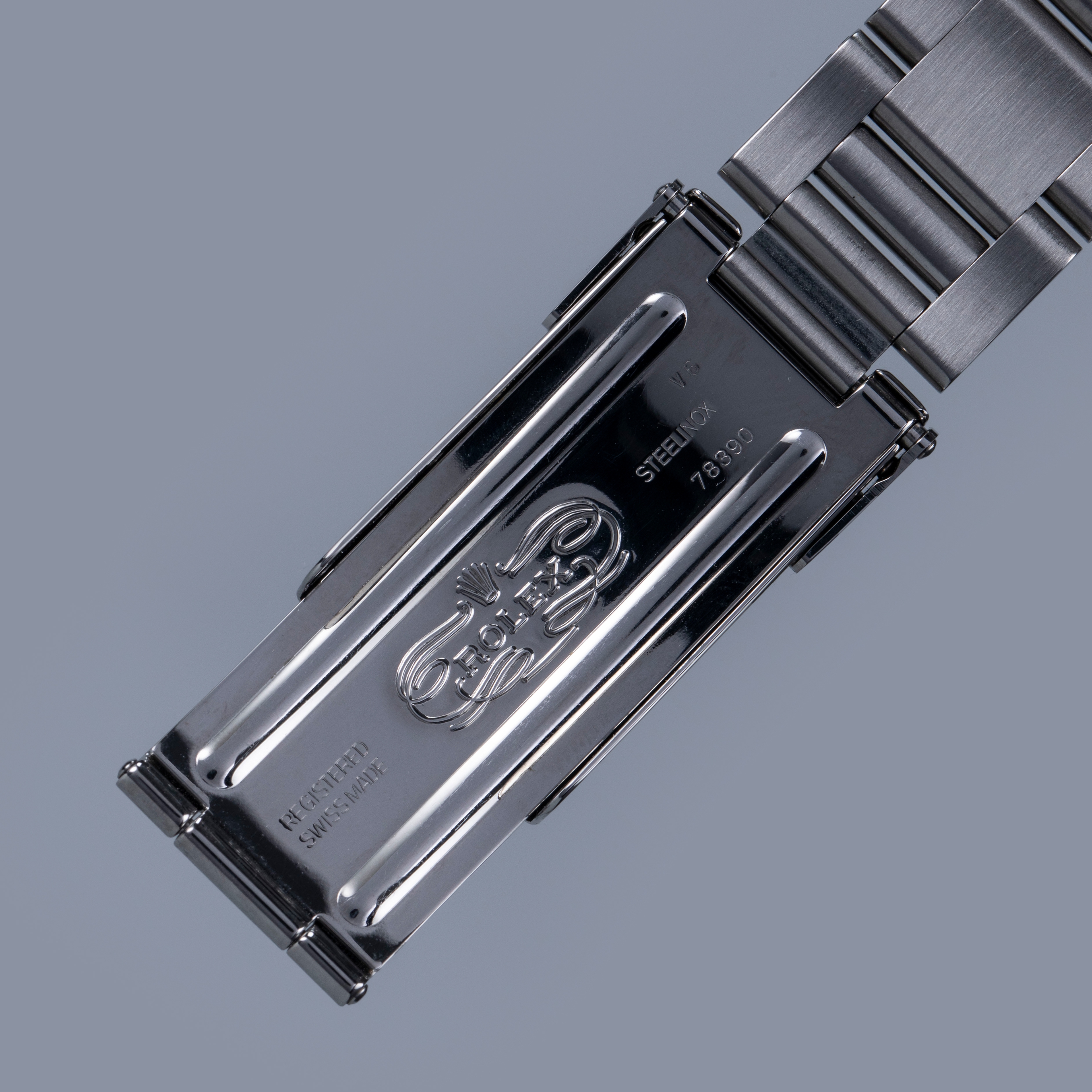
Watch is in overall like-new condition. The stainless steel case shows only light signs of wear or handling, with the original case back sticker still intact. The bezel shows some signs of wear and handling. The Patrizzi dial and hands are like new. The stainless steel Oyster bracelet is in like-new condition, with some signs of wear and handling to the clasp. The bracelet is fitted with 13 links, three of which are removable, and fits approximately a 7¾” wrist.
Our Perspective
The Patrizzi dial is one of the most intriguing variations of the Zenith Daytona, demonstrating how an unintended manufacturing characteristic can become an important part of a reference's collecting history. This 1996 T-series example, with its Mk5 black dial, represents a particularly interesting period in the evolution of Rolex's first automatic Daytona.


Eric Ku
Co-founder
