
Introduction
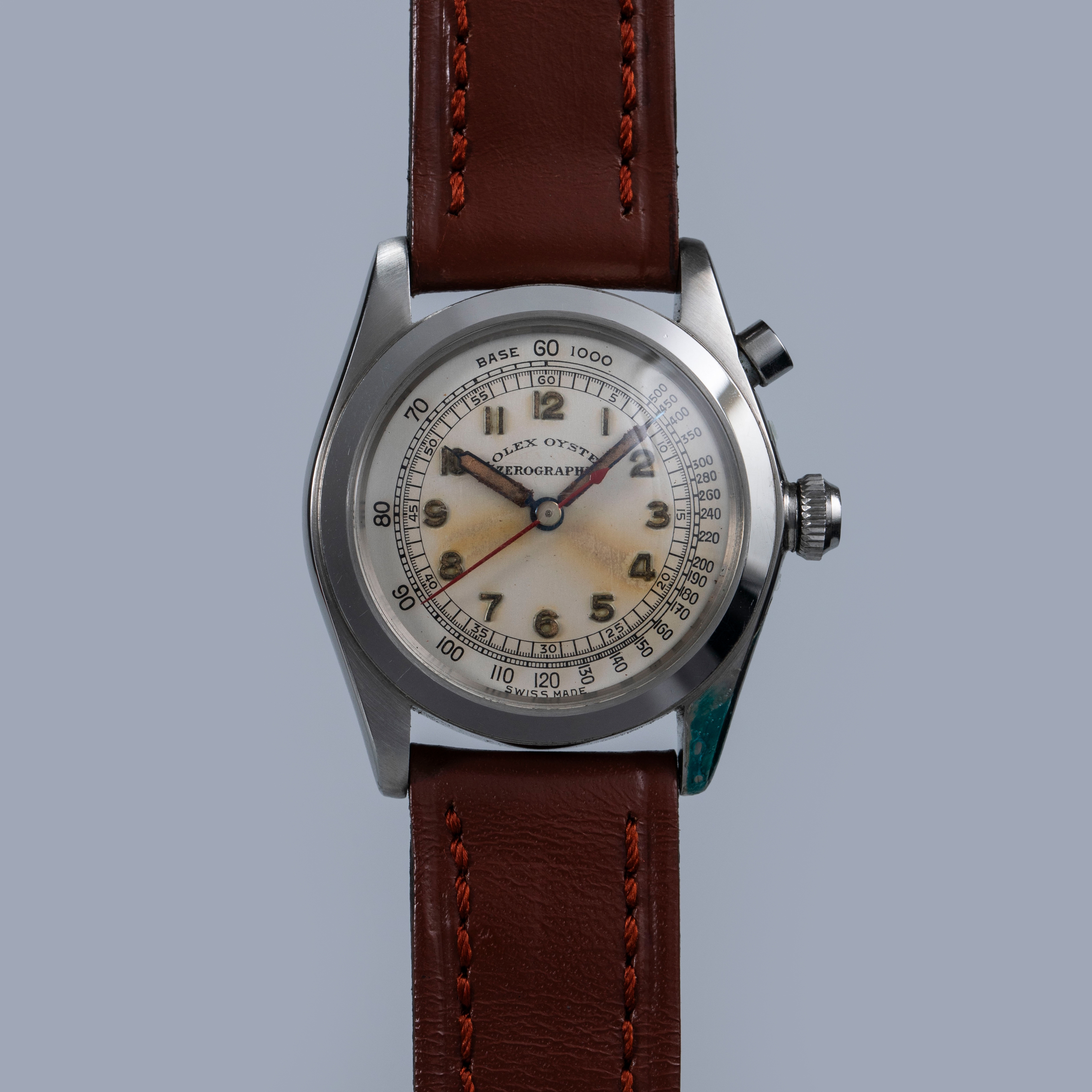
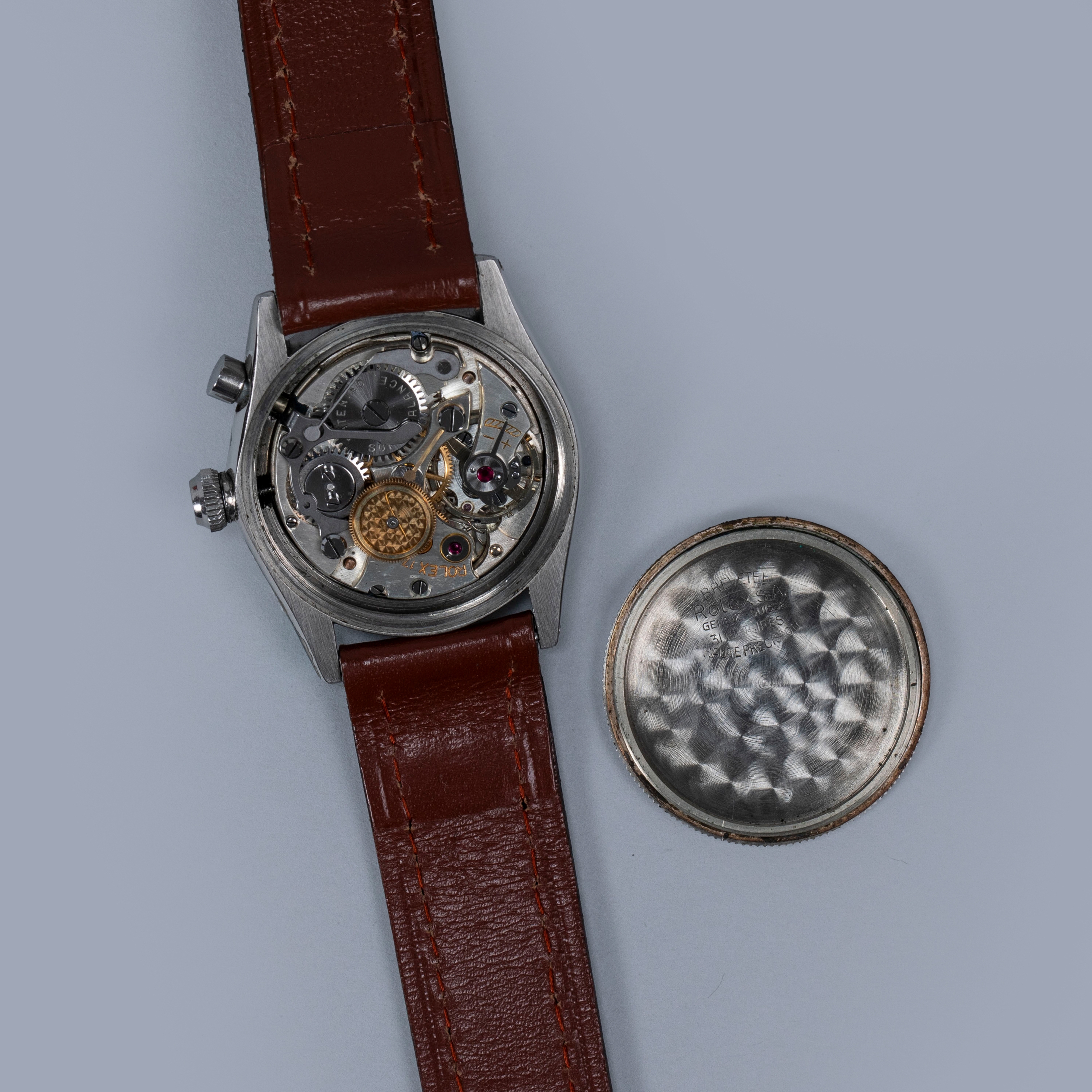
Among the many innovations associated with Rolex during the first half of the twentieth century, few are as intriguing or as poorly understood as the Zerographe. Developed during the late 1930s and early 1940s, this extraordinary wristwatch represents one of the manufacture's earliest experiments with an internally developed chronograph mechanism. Unlike conventional chronographs, which typically employ separate pushers to start, stop and reset an elapsed-time indication, the Zerographe incorporated a single pusher at two o'clock that instantly returned the continuously running centre seconds hand to zero before allowing it to resume its sweep. Produced in exceptionally small numbers, the Zerographe occupies a fascinating position in Rolex history, illustrating the manufacture's willingness to experiment with complications beyond its increasingly successful Oyster and perpetual-winding technologies.
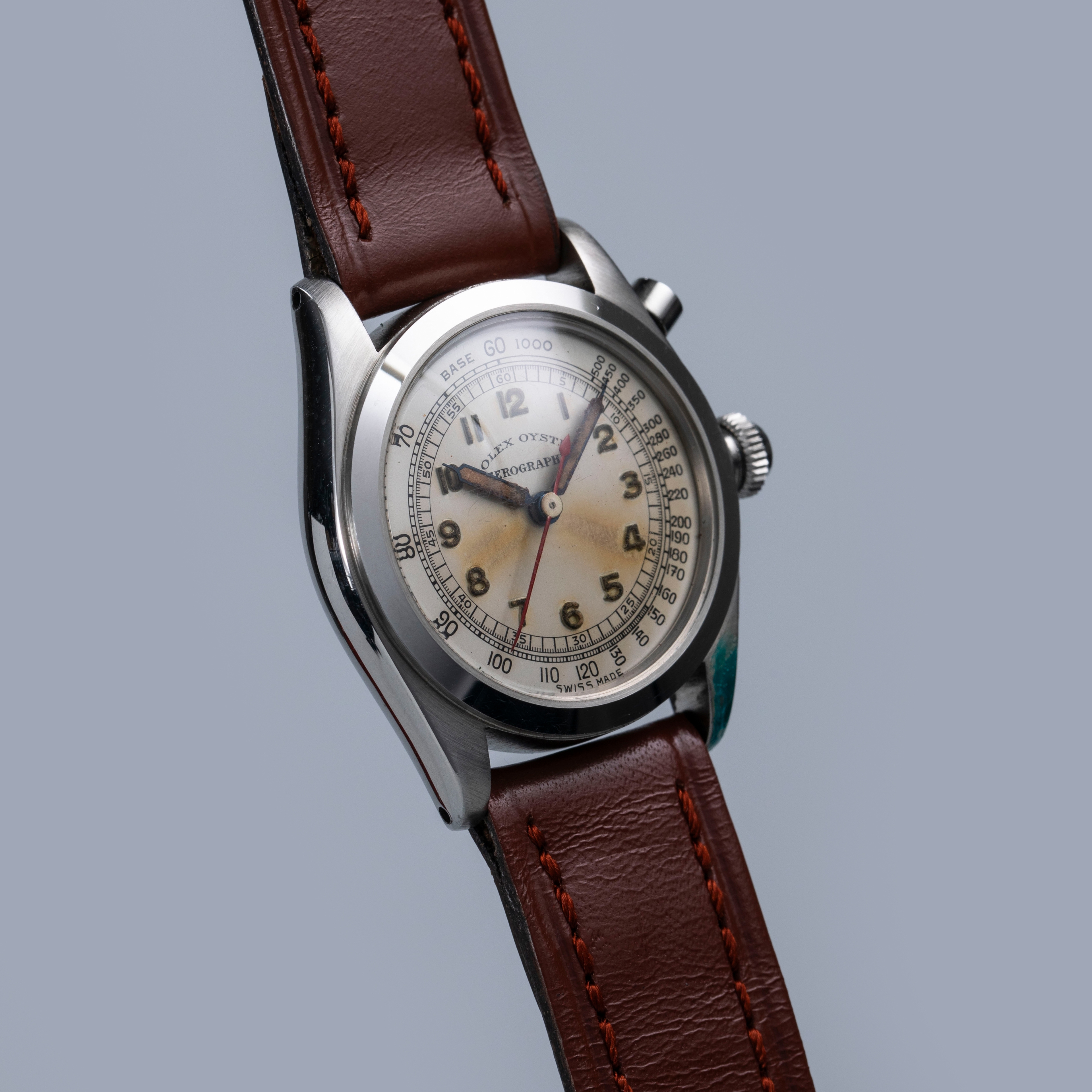
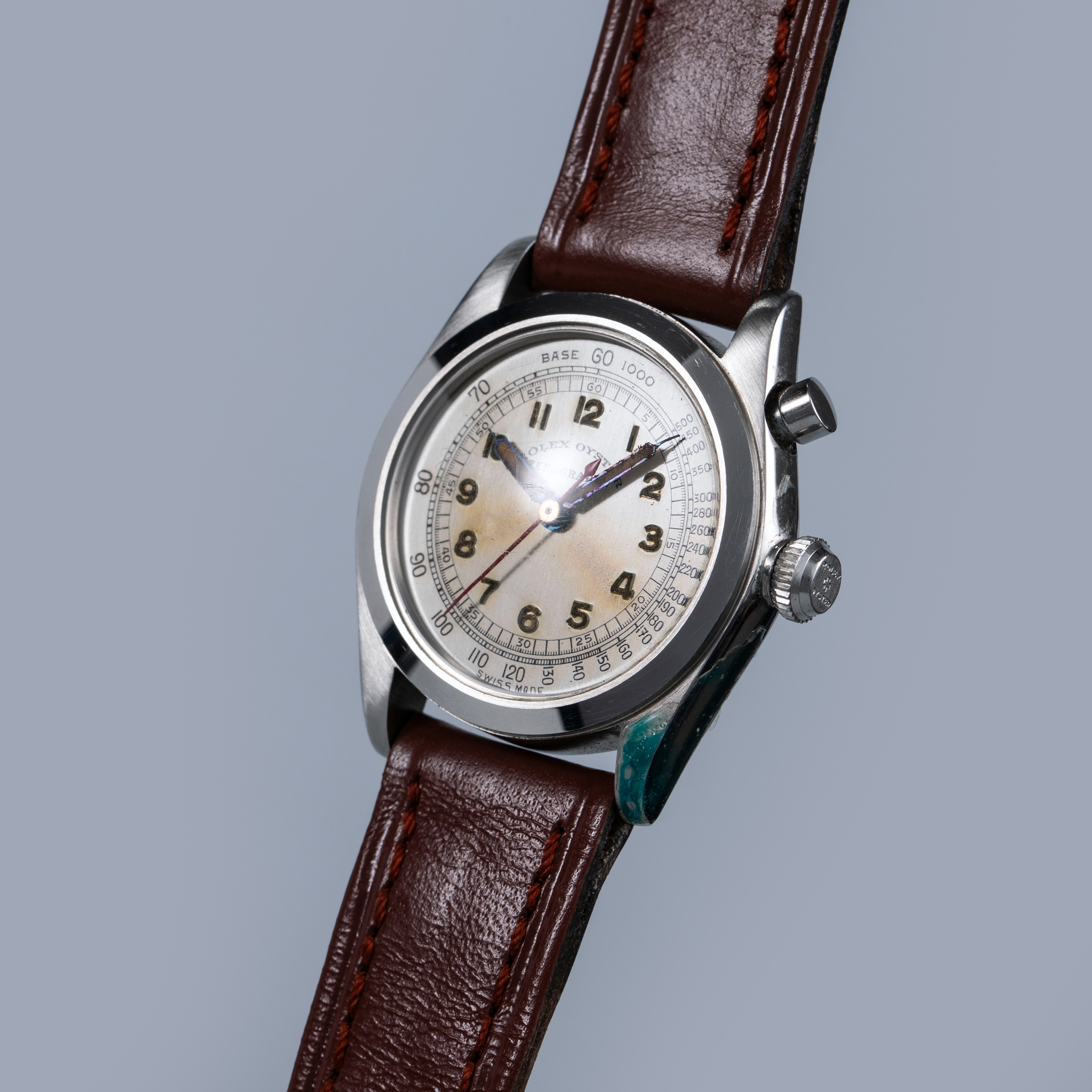
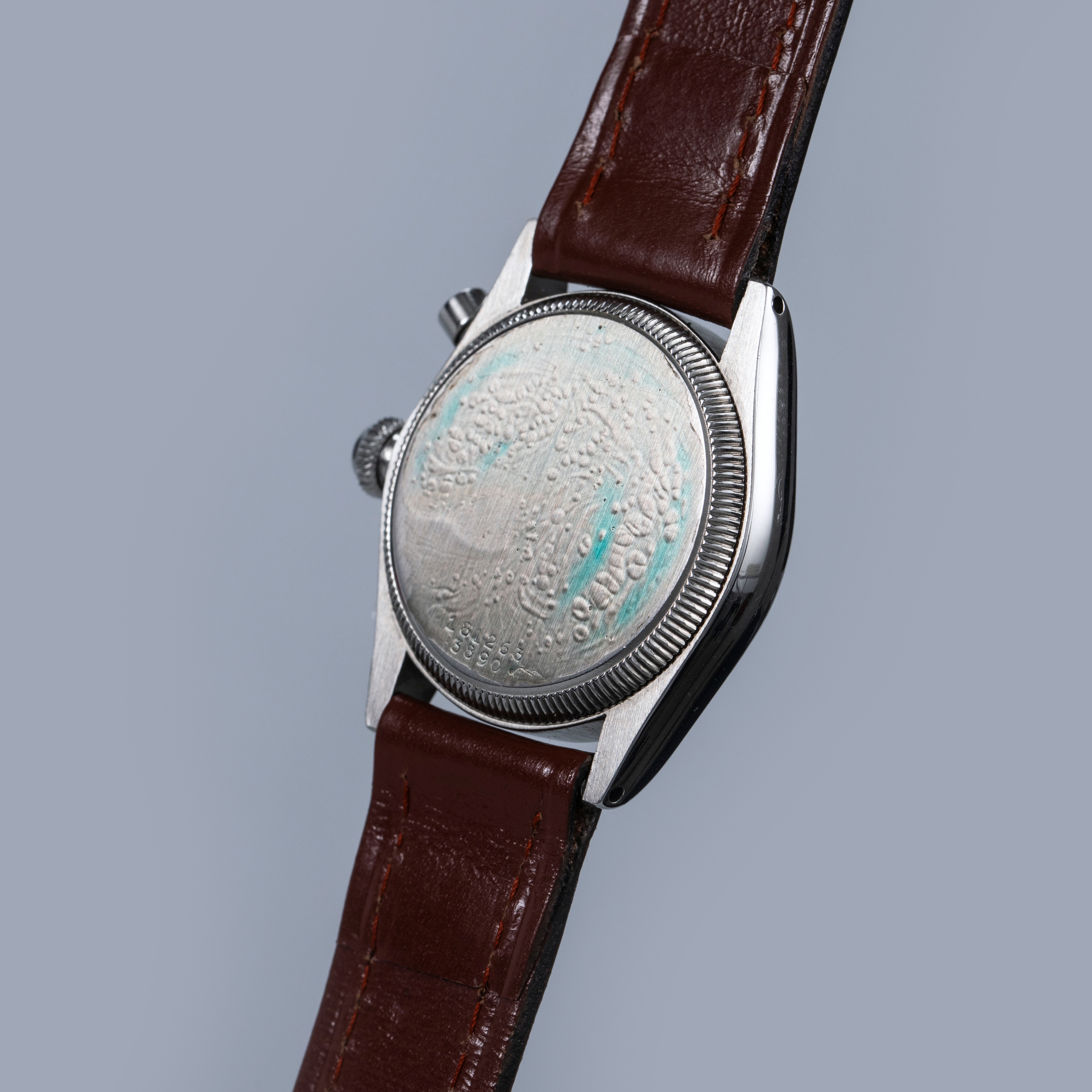
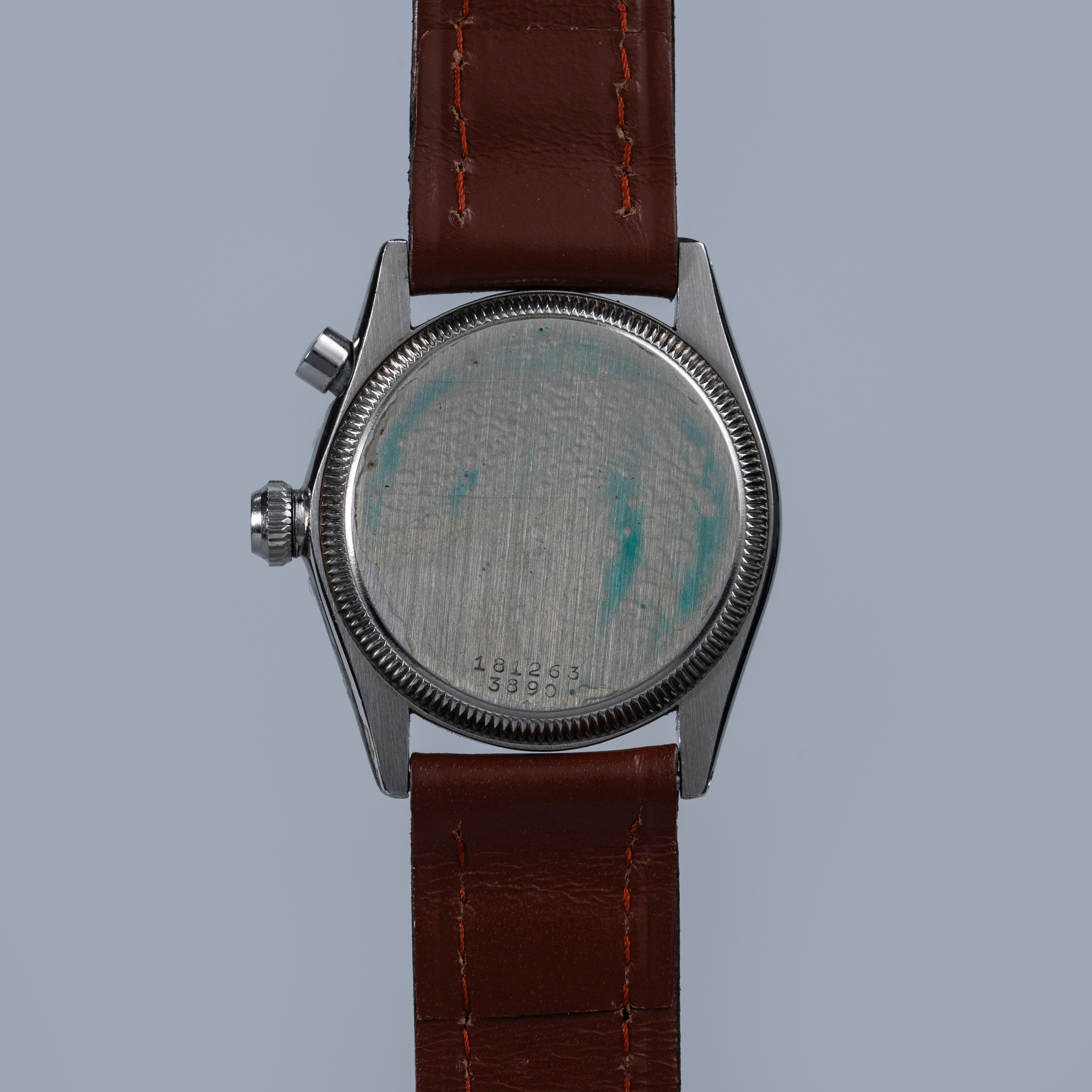
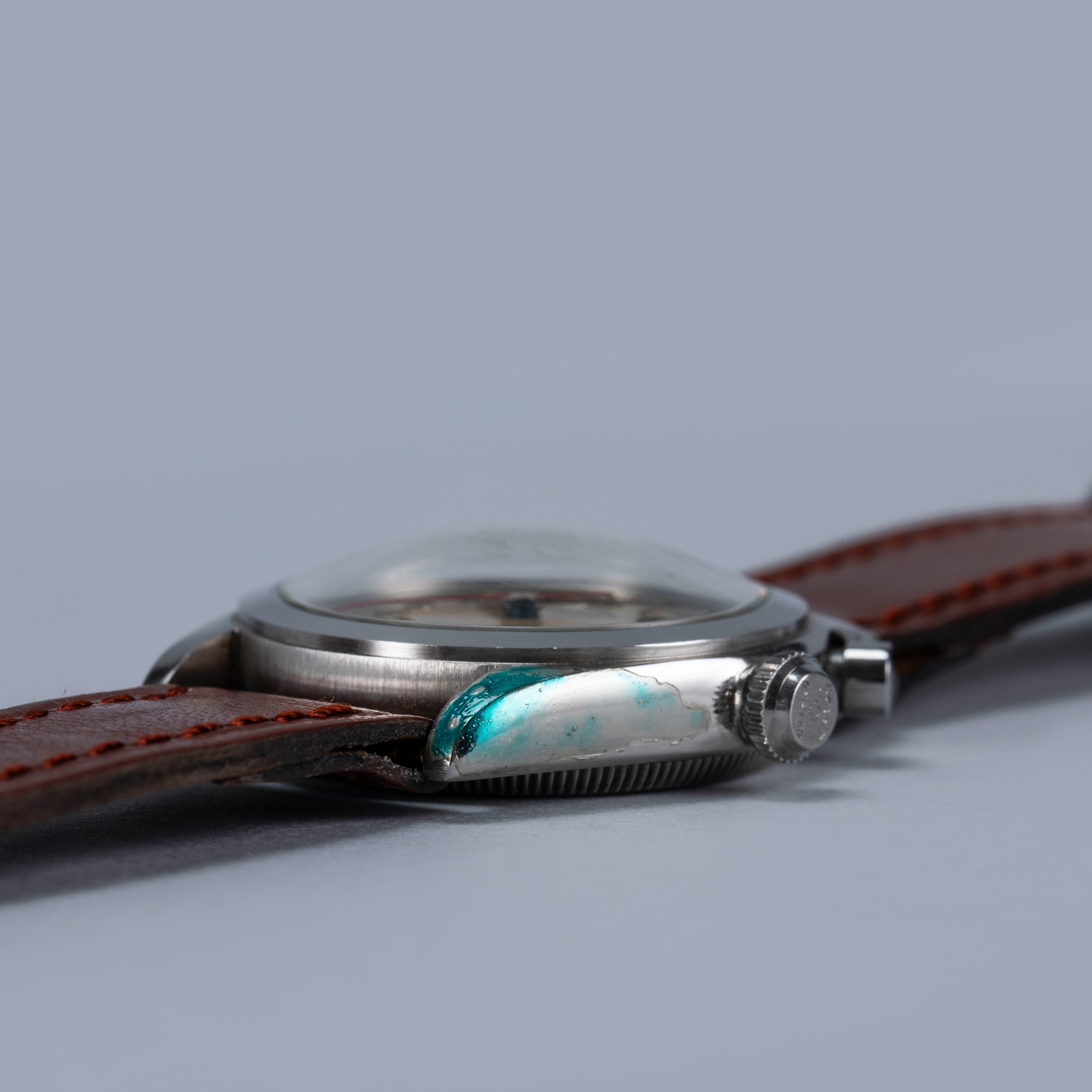
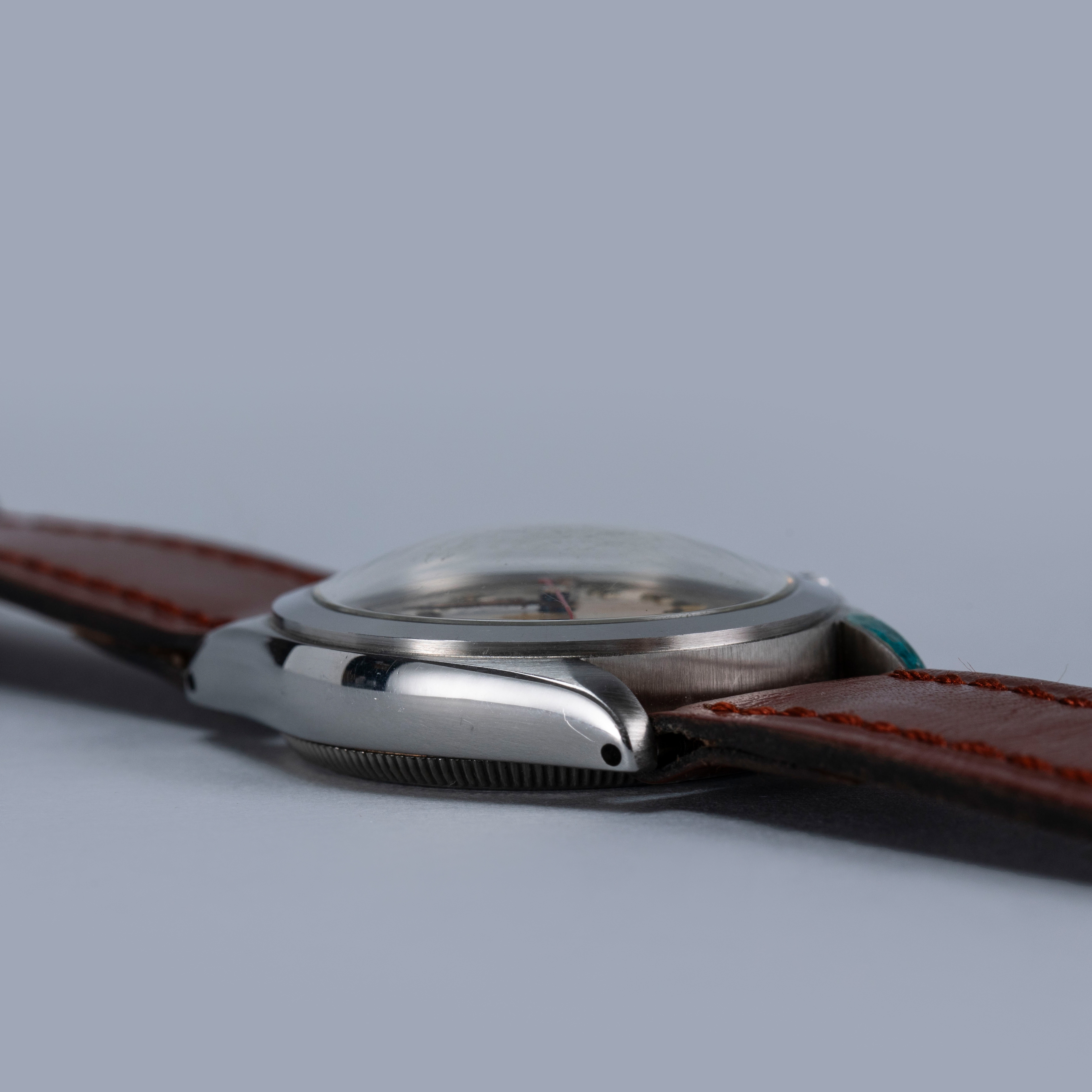
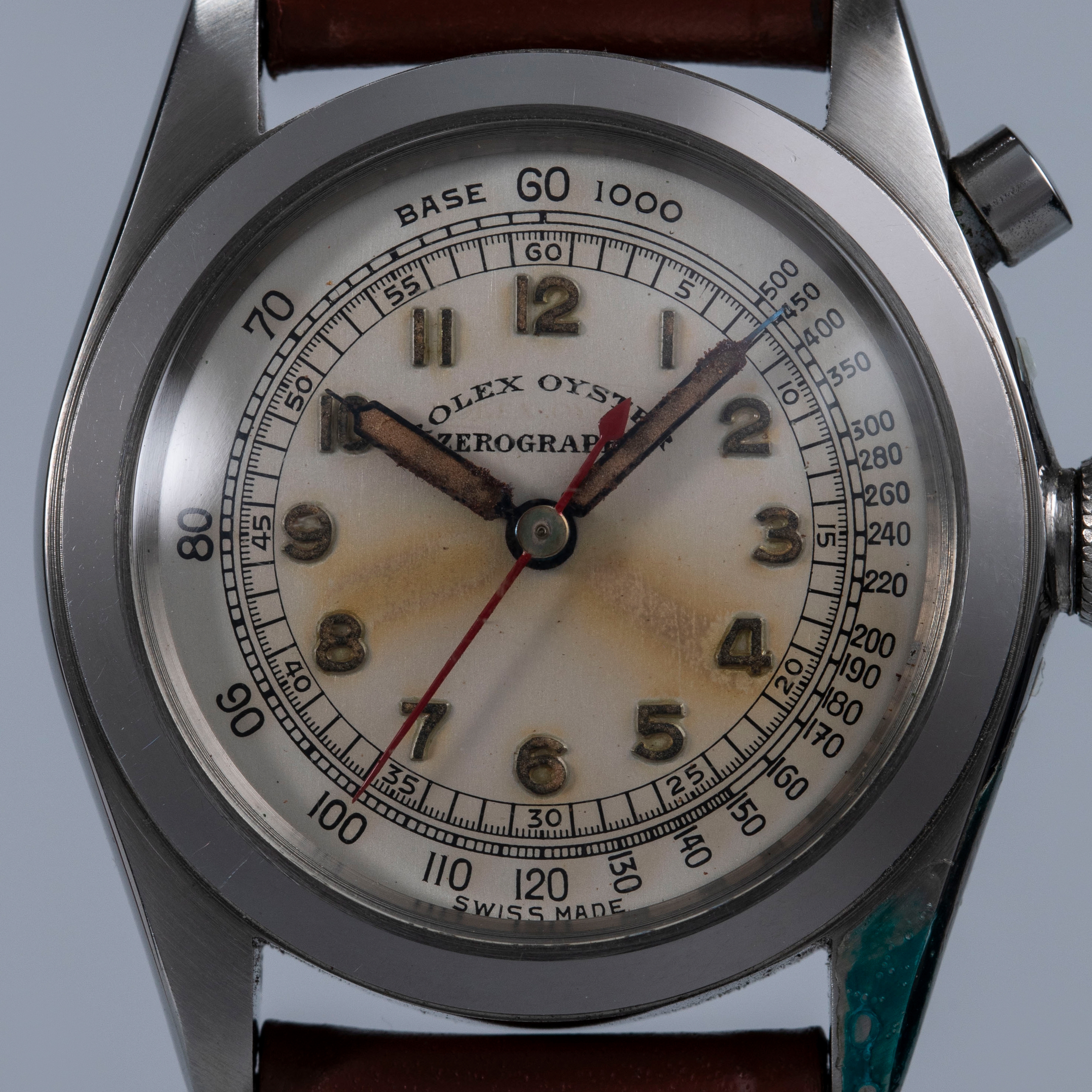
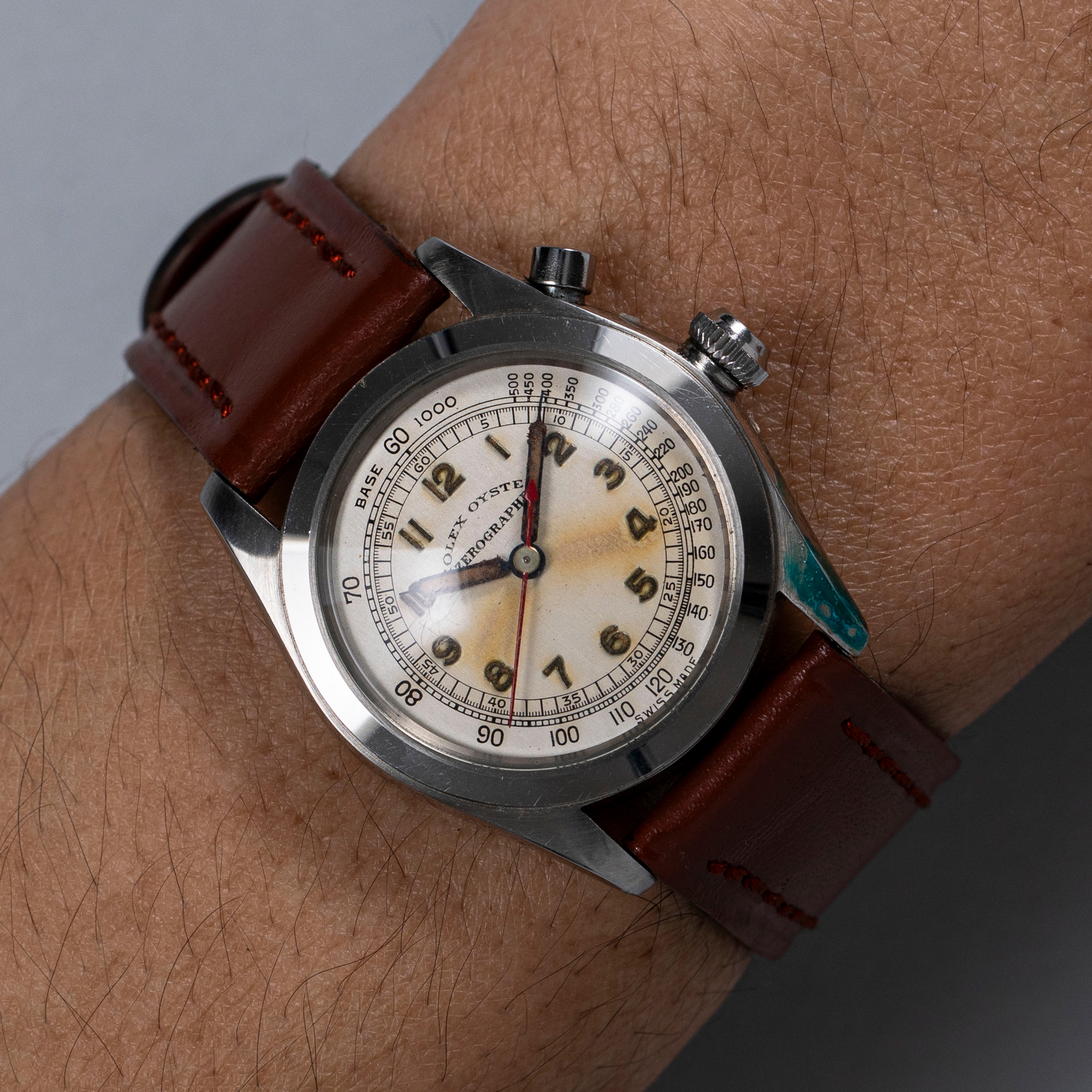
The reference 3890 is distinguished from the earlier reference 3346 by its smooth bezel, replacing the rotating timing bezel of its predecessor with a more conventional polished construction. This particular example dates to 1942 and features a remarkable silvered dial with a peripheral tachymeter scale, applied Arabic numerals and distinctive blue syringe hands. A contrasting red centre seconds hand provides an immediate visual indication of the watch's unusual timing function. The dial displays pronounced ageing, including a distinctive area of discolouration associated with the radium luminous material, providing an unmistakable reminder of its considerable age. Particularly noteworthy are the surviving traces of green protective material around the case, an unusual detail on a watch dating from the early 1940s. Combining extraordinary mechanical significance with a distinctive and beautifully balanced design, the Zerographe remains one of the most compelling and elusive creations in Rolex's early history.
Loupe This Scorecard
Grade
V 9.5
Status
Vetted & Approved
Included
Watch Only
Est. value range
$80,000 – $120,000
The Details
Brand
Rolex
Dimensions
30.5mm
Model
Zerographe
Movement
Manual-winding Rolex monopusher flyback seconds movement
Reference
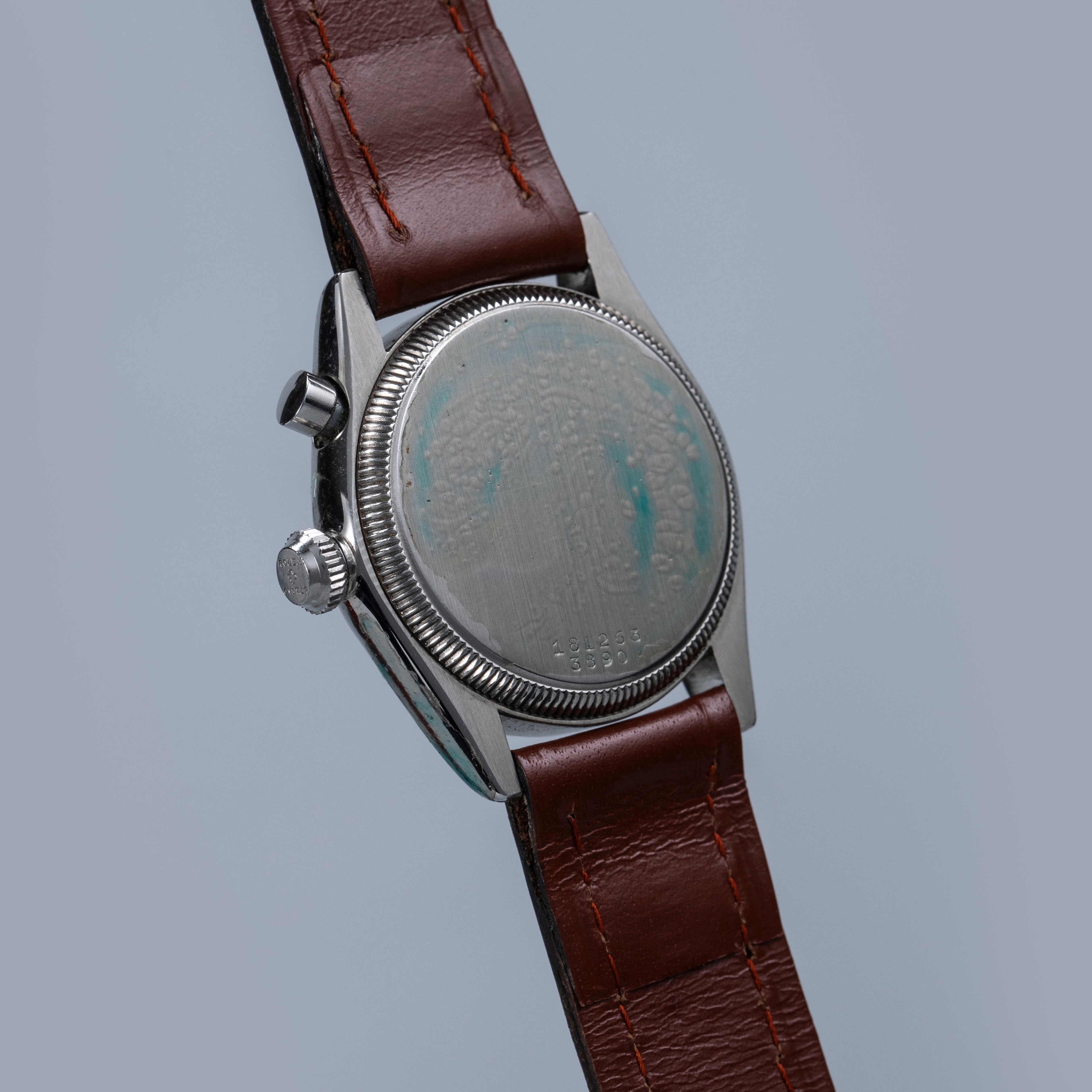
3890
Bracelet
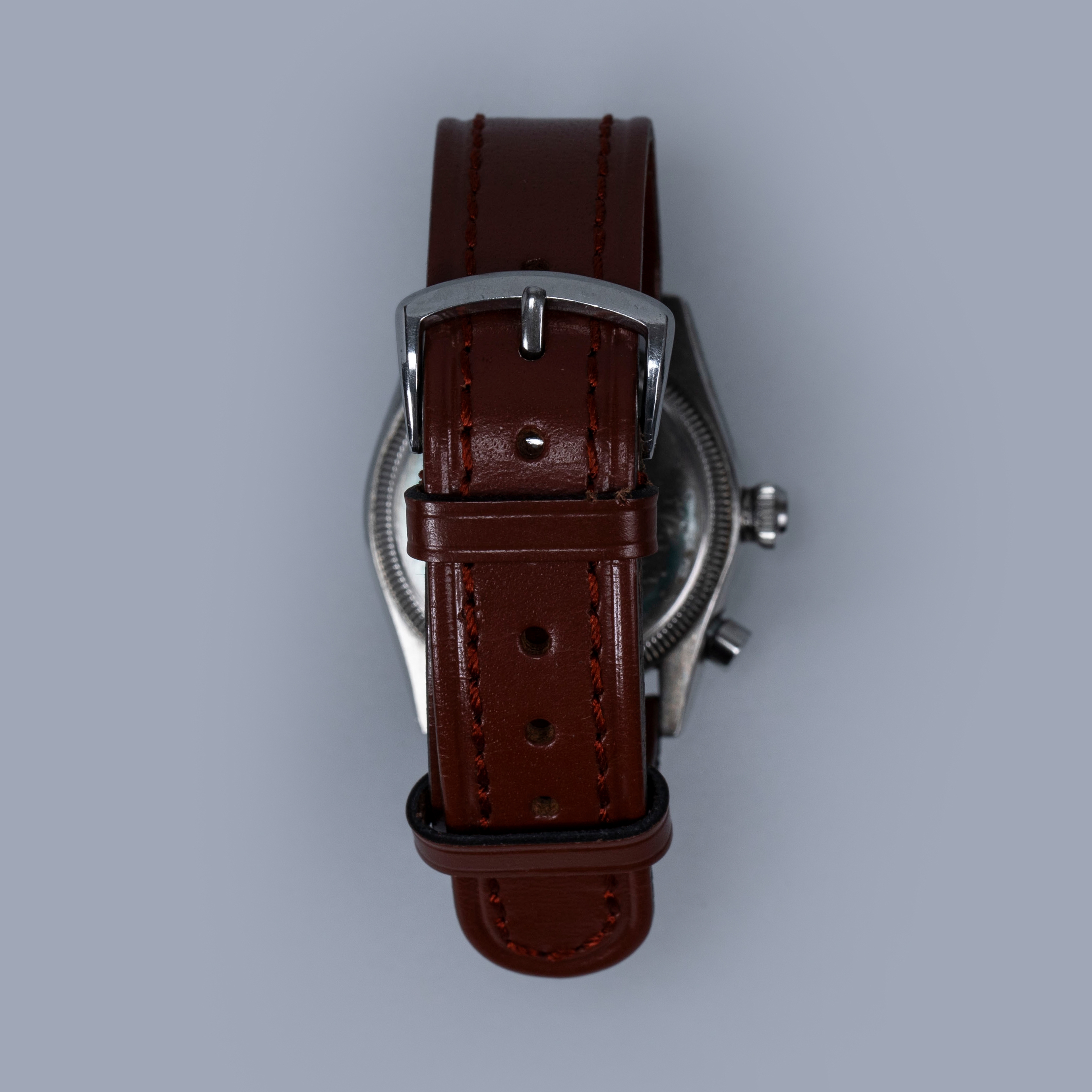
Leather strap
Year
1942
Condition
Like-New
Material
Stainless steel
Included
Watch only
Dial Color
White
THE DIAL
The dial features applied Arabic numerals, an outer tachymeter scale calibrated to a base of 1,000 and a finely graduated seconds track. Distinctive blue syringe hands are complemented by a contrasting red centre seconds hand. The dial displays characteristic ageing, including a prominent area of discolouration associated with the original radium luminous material.
THE CONSTRUCTION
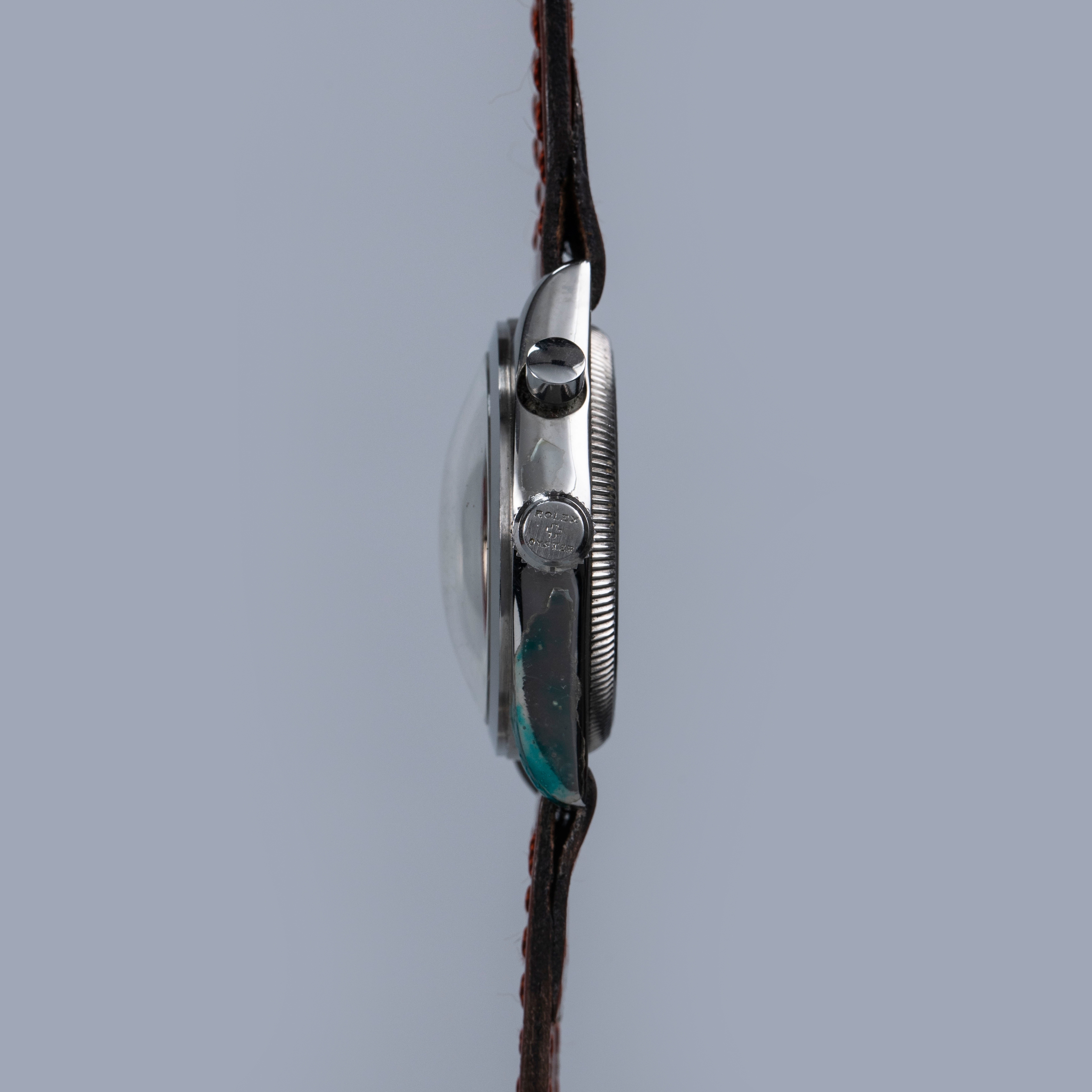
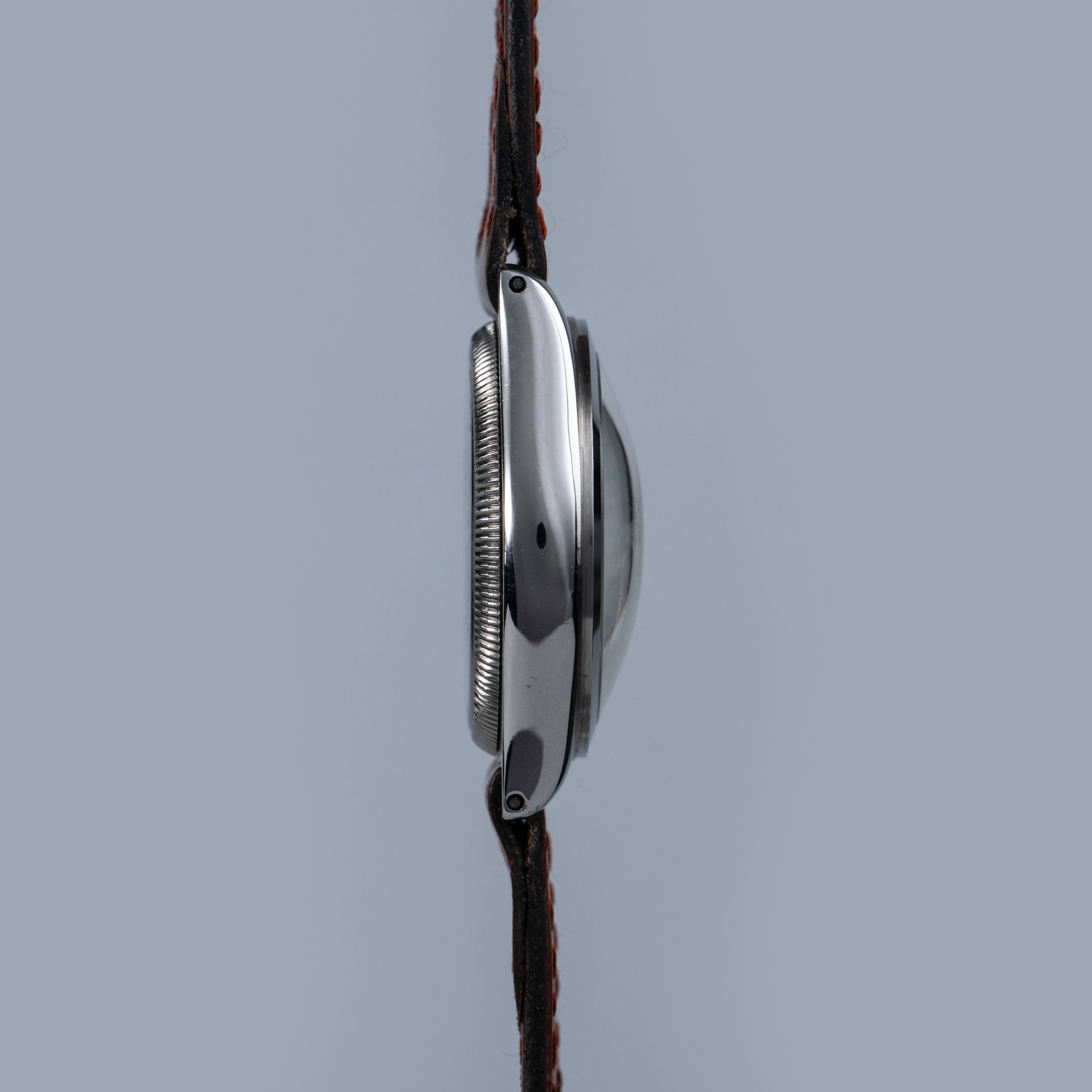
The stainless steel Oyster case measures approximately 30.5mm in diameter and features a smooth polished bezel, distinguishing the reference 3890 from the rotating-bezel reference 3346. Its distinctive monopusher is positioned at two o'clock, whilst the screw-down winding crown sits at three. The compact proportions and restrained construction reflect Rolex's early approach to combining waterproof cases with specialist mechanical functions.
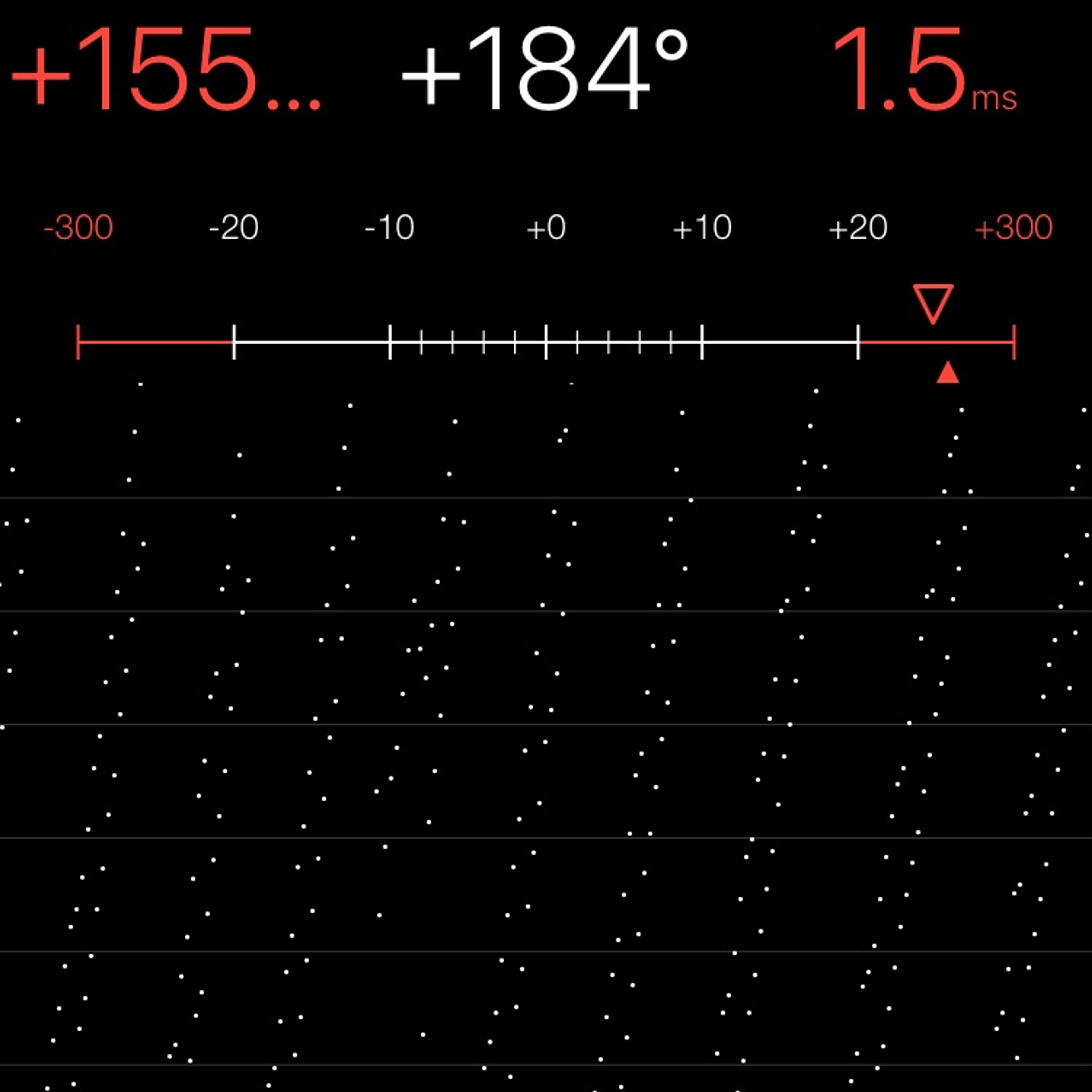
TIMING MACHINE READOUT
This reading was taken (crown down) with a ONEOF Accuracy Boutique Edition timing machine at time of cataloging. It is provided as a courtesy only, and shall not be construed as a warranty or guarantee of any kind. Please refer to our terms and conditions of sale for more information.
Condition
Watch is in like-new condition with only light signs of handling. There is light radium burn on the dial from hands sitting in one place for many years. Blue protective film can be seen on the lower right lug and caseback.
Please note: The watch ticks at time of cataloging, but timekeeping is poor and a service is recommended.

Our Perspective
The Zerographe represents one of the most fascinating experimental chapters in Rolex history. Its unusual monopusher mechanism, distinctive dial and extremely limited production distinguish it from almost every other vintage Rolex. This 1942 reference 3890 is particularly compelling for its early chronograph architecture and surviving traces of protective material.


Eric Ku
Co-founder
